


Your cart is currently empty.
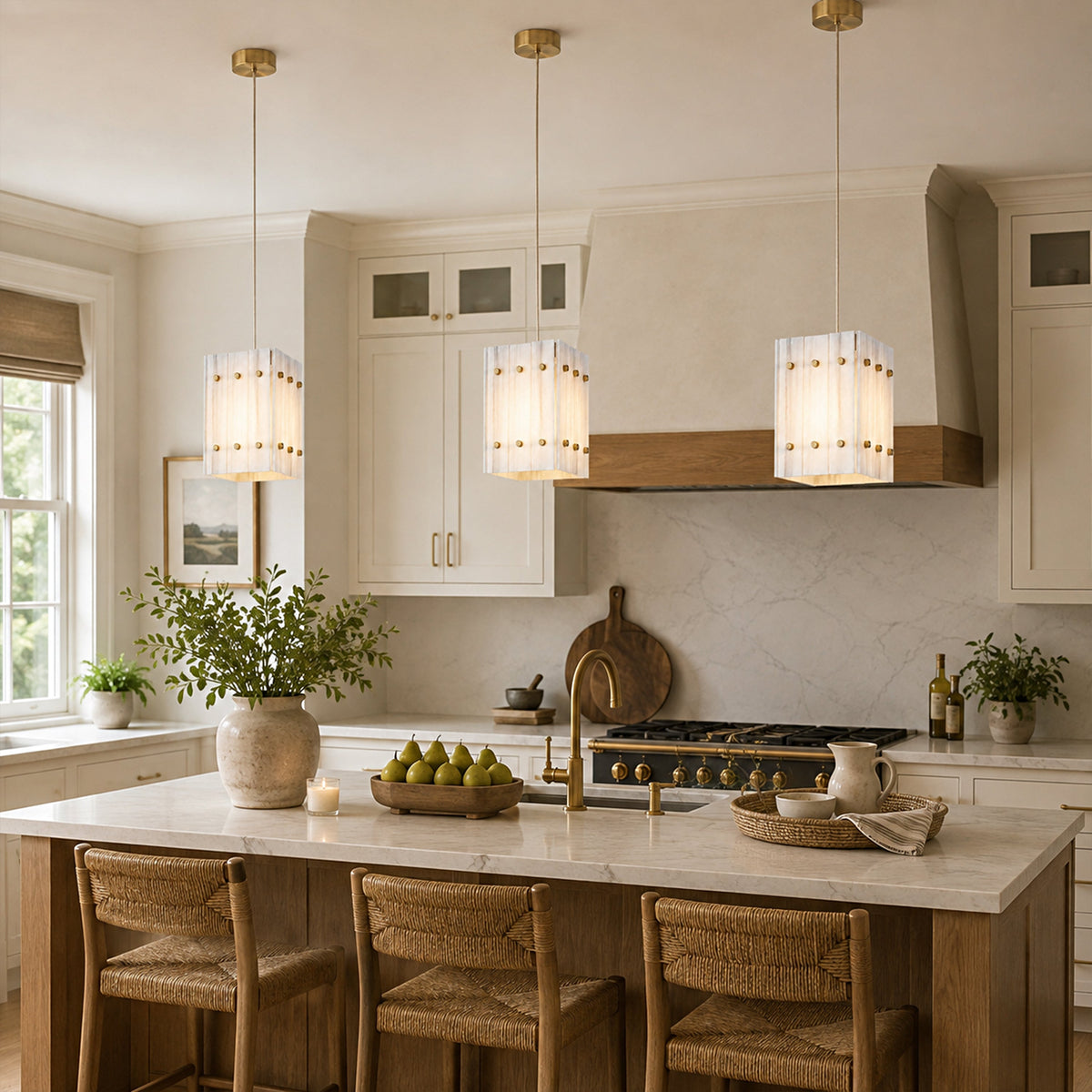
Marble pendant lighting offers a way to bring natural stone into the home without requiring the scale of a large chandelier. Its smaller footprint makes it especially useful above kitchen islands, beside beds, over breakfast tables, and in compact spaces where lighting still needs to feel considered.
The appeal comes from the balance between simple form and natural variation. A pendant may have a clean, minimal silhouette, but marble veining gives the surface movement, depth, and individuality.
That makes marble pendants particularly useful in modern interiors. They can create a focal point without overwhelming the room, while their stone texture adds more visual character than a plain metal or glass fixture.
The key is deciding how many pendants the space needs, how large they should be, how far apart they should hang, and which marble pattern best complements the materials already in the room.

Natural stone often has a strong visual presence, but that does not mean it has to appear in a large statement chandelier.
A smaller marble pendant can introduce the same sense of material richness in a more controlled way. This makes it useful in rooms where a large fixture would feel too dominant or where several smaller lights need to work together.
The effect is particularly successful in modern spaces because marble adds texture without requiring complicated ornament.
A simple pendant can still feel luxurious when the interest comes from the surface itself: soft veining, cloudy movement, strong contrast, or subtle shifts in tone.
A compact round marble pendant works especially well when the room needs natural stone detail without a large chandelier. Its simple shape allows the stone pattern to remain the main visual feature.
Explore Marble Round Pendant →Kitchen islands are one of the most natural places to use marble pendant lighting because the long horizontal counter gives the fixtures a clear visual structure.
The first decision is whether the island needs one larger fixture, several individual pendants, or a coordinated multi-light composition.
Smaller islands may only need one well-scaled pendant. Longer islands can support repeated pendants, particularly when the goal is to create even visual rhythm across the counter.
Multiple marble pendants are also useful when you want the stone itself to become more noticeable. Repeating similar forms allows the individual marble patterns to create subtle variation from one light to the next.

Repeating several stone pendants creates a different effect from hanging one large fixture in the center.
Instead of one dominant mass, the lighting becomes a sequence. This can emphasize the length of a kitchen island and make the counter feel more connected to the ceiling above.
The spacing between fixtures matters just as much as the size of each pendant. Lights that are crowded together may lose their individual silhouettes, while fixtures placed too far apart can feel disconnected.
A coordinated multi-light arrangement is especially useful for long islands, open kitchens, and spaces where a conventional chandelier would feel too formal or visually heavy.
This five-light composition brings multiple marble forms together within one linear arrangement, making it especially suitable above a long island or other horizontal surface.
Explore Snowland Marble Linear Chandelier →Not every kitchen or compact area needs a row of lights.
A single pendant works particularly well over smaller islands, breakfast counters, reading corners, or areas where the lighting is intended to mark one specific spot rather than define a long surface.
In these cases, shape becomes especially important because the fixture does not have other pendants around it to create visual rhythm.
Curved or sculptural stone forms can give a single pendant more character while still maintaining a compact footprint.

The curved silhouette gives a compact pendant more sculptural presence, making it useful when one fixture needs to feel intentional on its own.
Explore Snowland Marble Pendant →The number of pendant lights should respond to the surface below them rather than following a fixed rule.
Always consider visual weight as well as physical dimensions. A dark or strongly patterned marble pendant can appear more substantial than a lighter fixture of the same size.
One of the most useful applications for compact pendant lighting is beside the bed.
Hanging a pendant above or beside a nightstand frees the tabletop for books, décor, or everyday essentials while still providing a dedicated light source.
It can also make the bedroom feel more architectural. Because the pendant descends from above, it creates a stronger vertical relationship between the ceiling, headboard, and bedside furniture.
Marble works particularly well here because the natural stone adds detail without requiring a large fixture. A darker green or more expressive marble can become a small statement against neutral bedding and warm wood furniture.

Green marble adds richer color and works especially well with cream bedding, walnut, warm oak, brass, and earthy bedroom palettes.
Explore Green Marble Pendant →Pendant lights beside the bed should feel visually connected to the nightstand rather than floating randomly in the corner.
Consider the width of the bedside furniture, the height of the headboard, and how low the fixture needs to hang for practical use.
Matching pendants on both sides of the bed can create strong symmetry, but asymmetrical layouts can also work when the rest of the bedroom is intentionally balanced.
In smaller bedrooms, keeping the pendant compact is particularly important. The goal is to save visual and physical space, not replace a small lamp with an oversized ceiling fixture.
Small dining rooms and breakfast nooks still benefit from a clear focal point. The challenge is finding lighting with enough personality to define the table without visually shrinking the room.
A compact marble pendant can solve this well. It introduces natural texture and a more elevated material without requiring the diameter or depth of a full chandelier.
Geometric lantern forms can be particularly effective because they provide clear structure while leaving enough visual space around the fixture.

The hexagonal lantern form gives the pendant enough visual structure to anchor a small dining table while the white marble keeps the overall composition light.
Explore White Ink Marble Pendant →Large chandeliers create impact through scale. Small pendants need to work differently.
Because the silhouette is more compact, surface quality becomes more important. Veining, translucency, and tonal shifts give the fixture enough detail to remain interesting even without a large physical footprint.
This is one of the biggest advantages of marble pendant lighting. A relatively simple shape can still feel rich because the natural stone is doing much of the decorative work.

Yes. Their compact size makes them suitable for both small and large islands. Longer islands can use several pendants or a coordinated multi-light fixture to create balanced coverage.
It depends on the island length and the size of each fixture. Small islands may need only one pendant, while larger islands can support multiple lights with consistent spacing.
Yes. Bedside pendants can free up nightstand space and create a cleaner, more architectural bedroom layout.
Not necessarily. Smaller marble pendants provide natural texture without the visual scale of a large chandelier. Lighter stone colors can make the effect even softer.
No. Exact matching is not necessary. Coordinating warm or cool undertones usually creates a more natural and layered result.
White marble is generally the most versatile, while green and more strongly patterned stones can create a more noticeable statement.
A carefully chosen pendant can add stone texture, visual warmth, and sculptural detail to areas where a large chandelier would be unnecessary.
Whether used above a kitchen island, beside a bed, or over a small dining table, the best marble pendant should feel proportionate to the space while allowing the natural character of the stone to remain visible.
Explore Pietra Marble Lighting →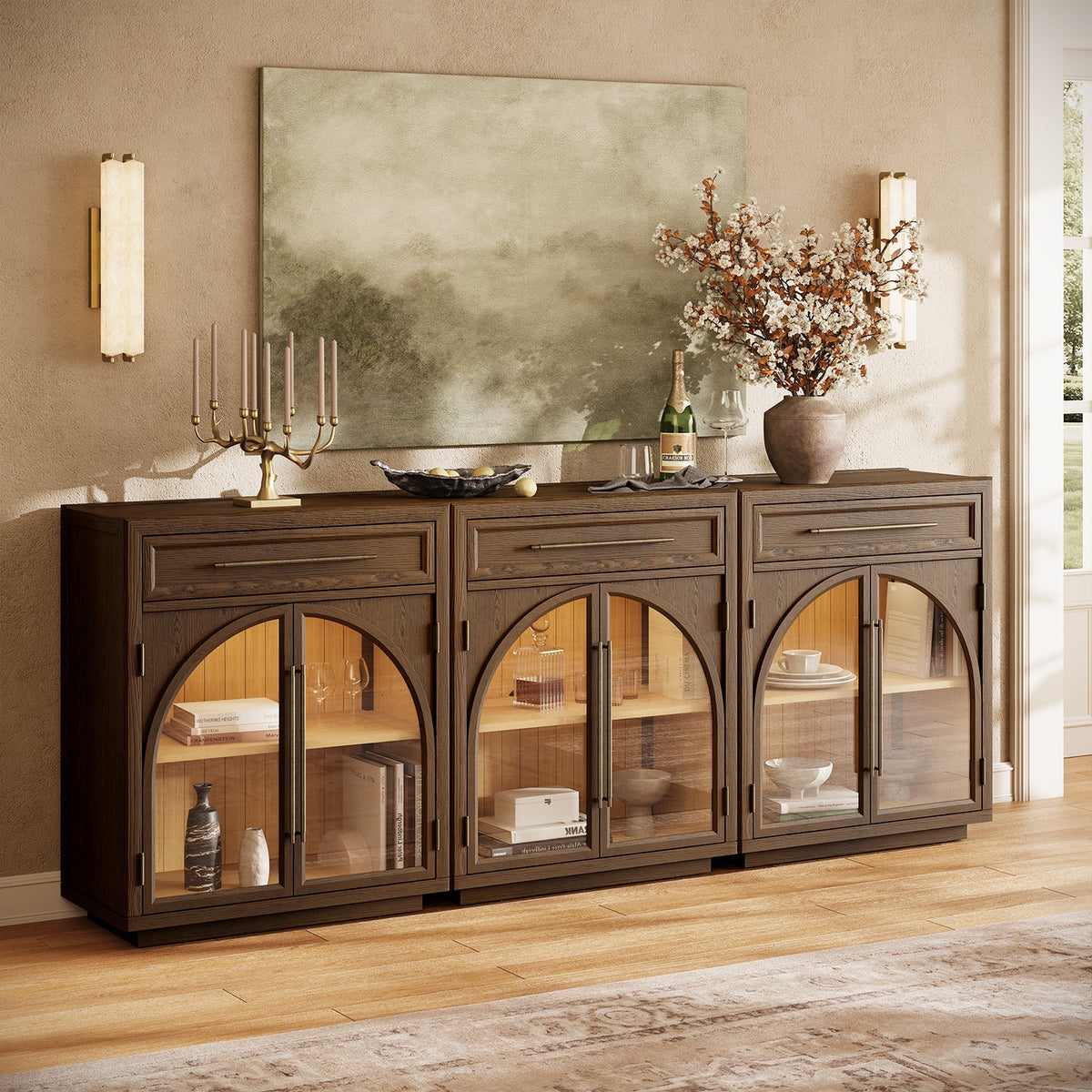
How to Choose a Sideboard for Your Dining Room: Size, Storage, and Style
Learn how to choose the right dining room sideboard, including size, height, storage, placement, and styling tips for creating a functional and balanced dining space.
Read moreabout How to Choose a Sideboard for Your Dining Room: Size, Storage, and Style
Marble Pendant Lighting Ideas for Kitchens, Bedrooms, and Small Spaces
Discover how to use marble pendant lighting in kitchen islands, bedrooms, small dining areas, and compact spaces, with tips for scale, spacing, stone patterns, and modern styling.
Read moreabout Marble Pendant Lighting Ideas for Kitchens, Bedrooms, and Small Spaces
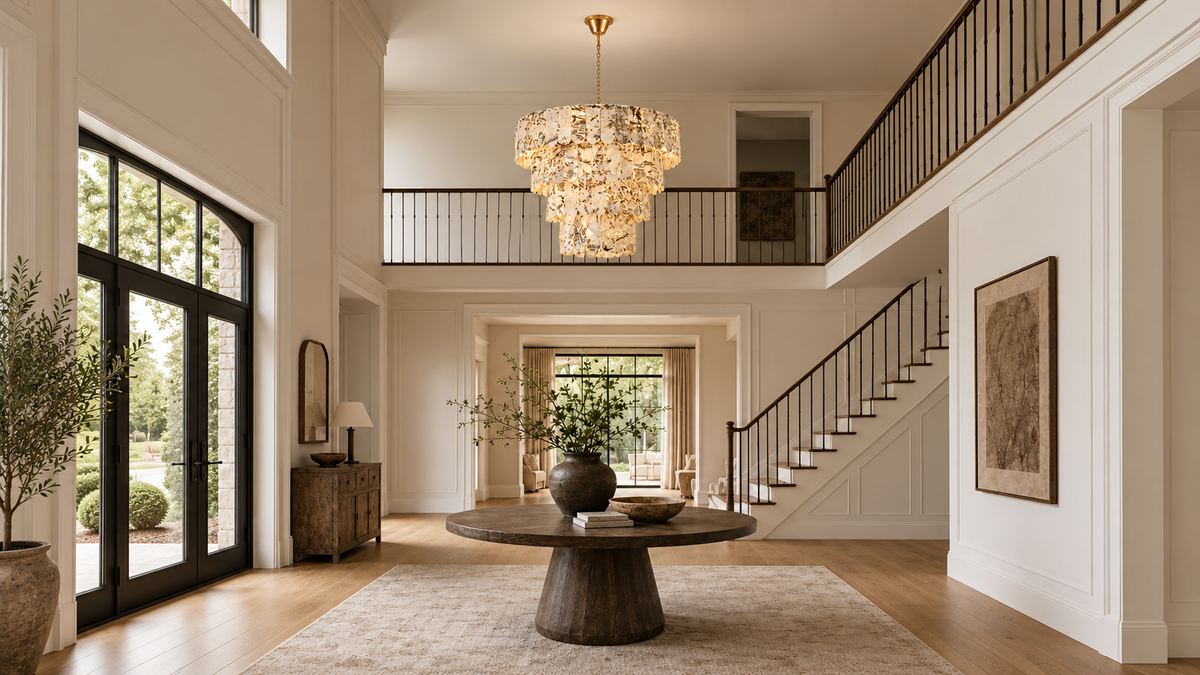
How Marble Patterns Change the Look of a Chandelier
Discover how white, green, blue, amber, and high-contrast marble patterns change the mood of a chandelier, with styling tips for choosing the right stone lighting for modern interiors.
Read moreabout How Marble Patterns Change the Look of a Chandelier
Share:
How Marble Patterns Change the Look of a Chandelier
How to Choose a Sideboard for Your Dining Room: Size, Storage, and Style