


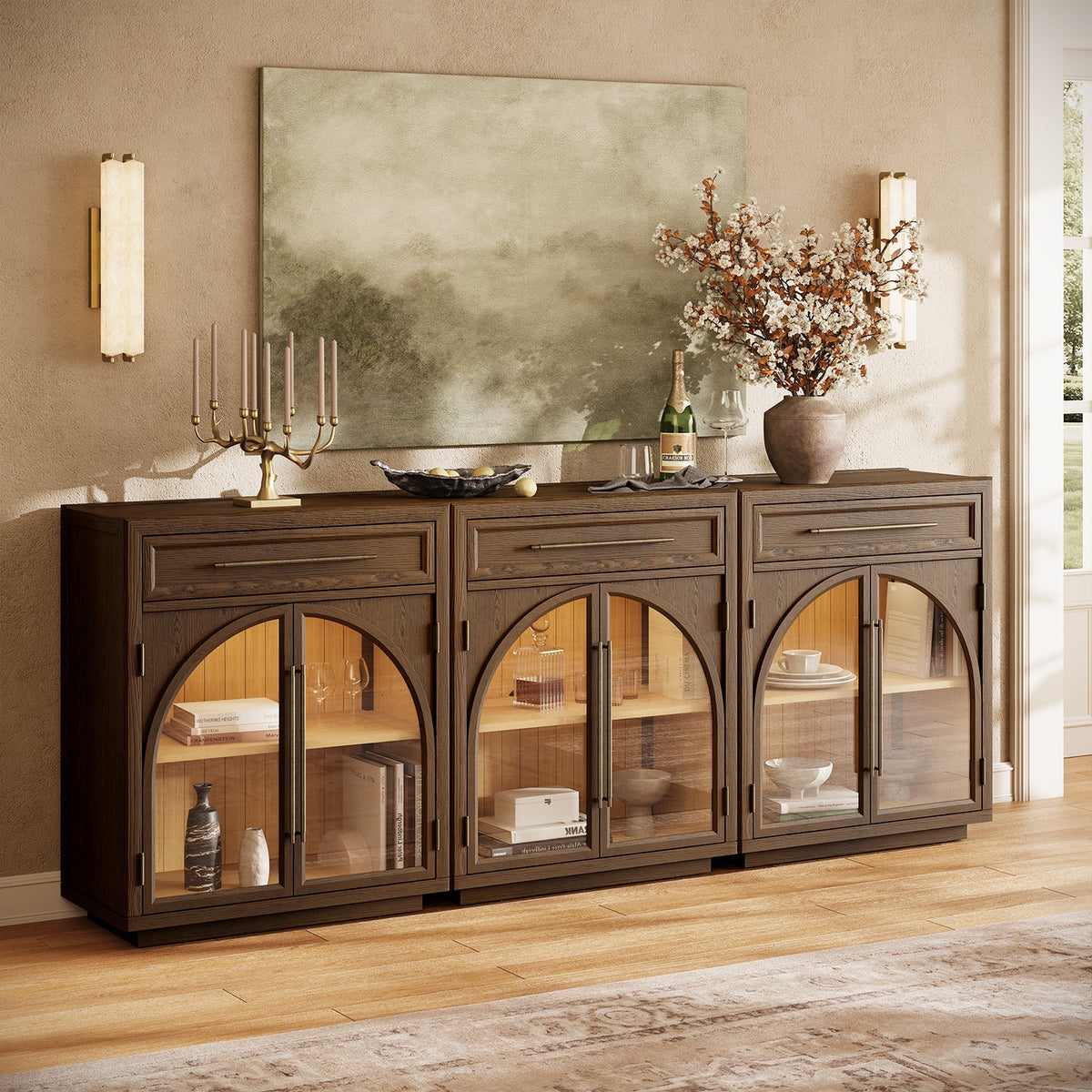
Your cart is currently empty.
A sideboard can solve several dining room problems at once. It provides extra storage, gives serving pieces a dedicated home, fills an empty wall, and creates a surface for lighting, art, or everyday styling.
The challenge is choosing one that actually fits the room. A sideboard that is too large can make circulation feel tight, while one that is too small may look visually disconnected from the dining table.
Storage layout matters too. Drawers, cabinet doors, and internal shelving all support different needs, from flatware and linens to dinnerware, serving pieces, and items you would rather keep out of sight.
The best dining room sideboard is therefore not simply the most attractive cabinet. It should balance size, storage, style, and the proportions of the furniture around it.

The terms sideboard and buffet are often used interchangeably, especially in modern furniture collections. Both generally describe a low storage cabinet designed to sit against a wall and provide a combination of surface space and enclosed storage.
Traditionally, a buffet is more closely associated with dining rooms and serving food, while a sideboard can be used more broadly in dining rooms, living rooms, hallways, and other spaces.
A console table is usually different. Consoles tend to be narrower and may offer little or no enclosed storage. They work well in entryways and hallways, but a dining room that needs practical storage often benefits more from a true sideboard.
Sideboard size should be judged in relation to both the dining table and the wall where the cabinet will sit.
A large dining table creates significant visual weight. Pairing it with a very small cabinet can make the sideboard feel accidental rather than intentional. At the same time, filling nearly the entire wall with cabinetry may make the dining room feel crowded.
Instead of looking at width alone, consider the complete composition: table length, room width, wall space, nearby doorways, dining chair clearance, and how people move around the room.
Dining chairs need room to pull away from the table, and people need to be able to walk behind them comfortably. A deep cabinet placed too close to the dining set can quickly make the room inconvenient to use.
The sideboard does not have to match the dining table in width, but the two pieces should feel appropriately scaled to one another.
A generous table can support a more substantial storage piece. Smaller dining arrangements often look better with a lighter or narrower cabinet that preserves open wall space.
Height affects both function and visual balance.
A sideboard is typically intended to provide a useful surface for serving, display, or everyday objects. If it is too low, it may feel more like a media console. If it is excessively tall, it can begin to compete with the wall and make the room feel more enclosed.
Consider what will sit above the cabinet as well. Artwork, a mirror, wall sconces, or a decorative pendant all need breathing room.
In rooms with taller ceilings, a more substantial cabinet can help anchor the lower half of the wall. In compact dining rooms, a lower silhouette may preserve a greater sense of openness.

Storage configuration should reflect what you actually keep in the dining room.
A sideboard used mainly for serving pieces may need larger cabinets. A household that stores flatware, napkins, tablecloths, candles, and smaller accessories may benefit from multiple drawers.
Many dining rooms work best with a combination of both.
A wider multi-cabinet arrangement can work well when the dining room needs significant storage and enough visual presence to balance a large table or long wall.
Combining cabinet storage with drawers also makes it easier to separate larger dining pieces from smaller everyday essentials.
Explore Alvar Storage Cabinet →A small dining room does not automatically rule out a sideboard. In fact, concealed storage can make the room feel calmer by giving everyday objects somewhere to go.
The key is choosing a piece that does not interfere with circulation.

Your sideboard does not need to belong to the same furniture collection as the dining table.
In many cases, a room feels more refined when the pieces coordinate without matching perfectly.
Different wood tones can work together when they share similar warmth. A dark table and lighter oak cabinet can create intentional contrast, while related tones produce a quieter look.
Rounded or arched cabinet details can soften a room dominated by rectangular tables, straight chair backs, and architectural lines.
Texture can make a large storage piece feel more decorative without relying on bold color. Fluting, carved details, or natural grain introduce shadow and rhythm across a wide cabinet front.
If the dining table, rug, chandelier, or artwork already has significant pattern, a quieter sideboard can help restore balance.
A wide oak sideboard can provide substantial storage while keeping the material palette warm and natural. Wood also pairs easily with stone dining tables, upholstered chairs, neutral rugs, and statement lighting.
Explore Riley Oak Sideboard →Because a sideboard often occupies a significant amount of wall space, the front surface becomes an important part of the room.
Completely flat cabinetry can create a very clean architectural effect, but textured wood provides another option. Grain, fluting, carved details, and subtle surface variation allow the cabinet to create depth without introducing extra colors or decorative objects.
This is particularly useful in warm modern interiors, where natural materials often provide more visual interest than bold ornament.

Once the cabinet itself is correctly scaled, the wall and surface above it can help complete the dining room.
The goal is not to fill every available space. A sideboard usually looks more refined when a few larger elements are given room to breathe.
A wide sideboard rarely needs a row of small accessories. One artwork, one lamp, and one sculptural element can often create a stronger composition.
The most common position is along a wall parallel to the dining table, but it is not the only option.
A sideboard can also sit along an end wall, between architectural openings, or at the transition between dining and living areas in an open-concept home.
Wherever it is placed, doors and drawers should be able to open comfortably without interfering with dining chairs.
Placement should also support how the furniture will actually be used. If the cabinet stores serving pieces and dinnerware, keeping it reasonably close to the table makes everyday use easier.
The terms are often used interchangeably today. Traditionally, buffets are more closely associated with dining rooms and serving, while sideboards can be used in a wider range of rooms.
It does not need to be. The important factor is that the two pieces feel proportionally balanced and that the sideboard fits the available wall without restricting circulation.
Yes. Look carefully at cabinet depth and leave enough room behind dining chairs. Closed storage can actually help a small dining room feel less cluttered.
No. Coordinating wood undertones, shapes, or overall design language is usually enough. Exact matching can sometimes make a room feel overly uniform.
Common items include dinnerware, serving bowls, table linens, flatware, candles, glassware, placemats, and entertaining accessories.
Large artwork, a mirror, wall sconces, or a simple combination of decorative objects can work well. Keep the arrangement proportional to the width of the cabinet.
Start with practical questions: how much space is available, what needs to be stored, and how people move around the dining table.
From there, consider proportion, material, texture, and styling. A well-chosen sideboard can provide useful storage while also becoming one of the elements that visually anchors the entire dining room.
Explore Houlte Furniture →
How to Choose a Sideboard for Your Dining Room: Size, Storage, and Style
Learn how to choose the right dining room sideboard, including size, height, storage, placement, and styling tips for creating a functional and balanced dining space.
Read moreabout How to Choose a Sideboard for Your Dining Room: Size, Storage, and Style
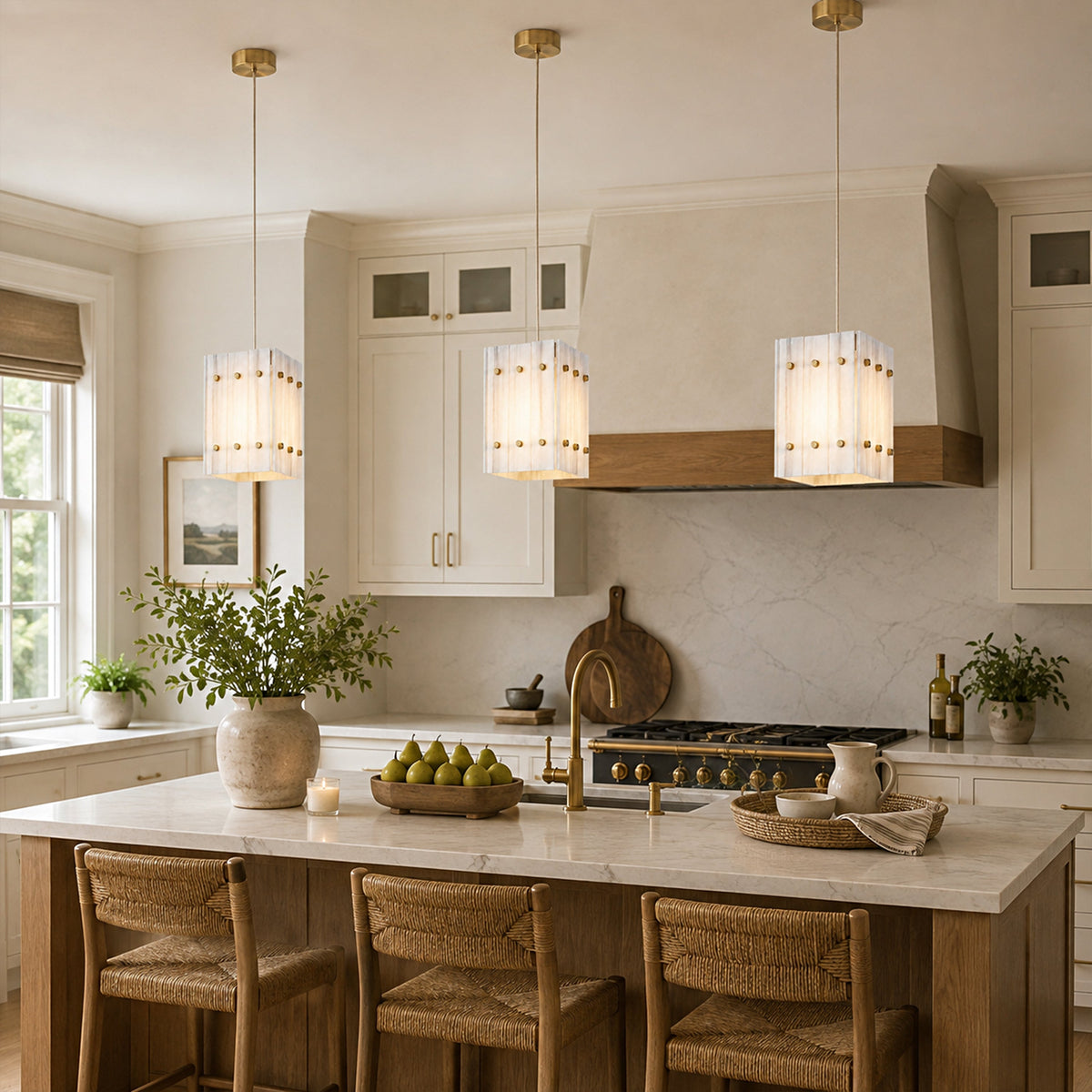
Marble Pendant Lighting Ideas for Kitchens, Bedrooms, and Small Spaces
Discover how to use marble pendant lighting in kitchen islands, bedrooms, small dining areas, and compact spaces, with tips for scale, spacing, stone patterns, and modern styling.
Read moreabout Marble Pendant Lighting Ideas for Kitchens, Bedrooms, and Small Spaces
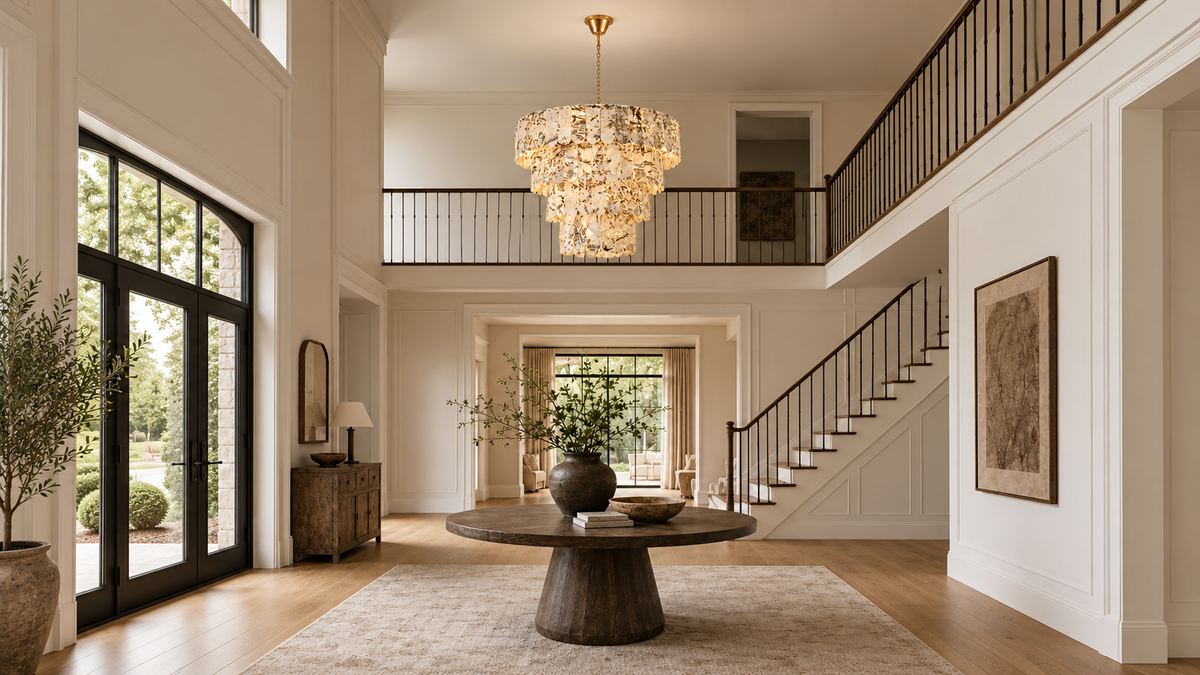
How Marble Patterns Change the Look of a Chandelier
Discover how white, green, blue, amber, and high-contrast marble patterns change the mood of a chandelier, with styling tips for choosing the right stone lighting for modern interiors.
Read moreabout How Marble Patterns Change the Look of a Chandelier
Share:
Marble Pendant Lighting Ideas for Kitchens, Bedrooms, and Small Spaces