


Your cart is currently empty.
Furnishing a living room sounds simple until you start comparing sofas online. One “modern sectional” is $399, another is $3,299, and both claim to be comfortable, durable, and stylish. So what’s the real price of a couch in the U.S.—and how do you avoid paying for marketing instead of materials?
This guide breaks down U.S. sofa pricing in practical terms: what different budgets typically buy, what actually drives cost (frame, suspension, cushion build, upholstery, and mechanisms), and how to compare options like a pro. It also includes a step-by-step shopping checklist, a quick “cost-per-seat” method, and a modular/sectional decision framework—so you can choose a sofa you’ll still like after the return window closes.
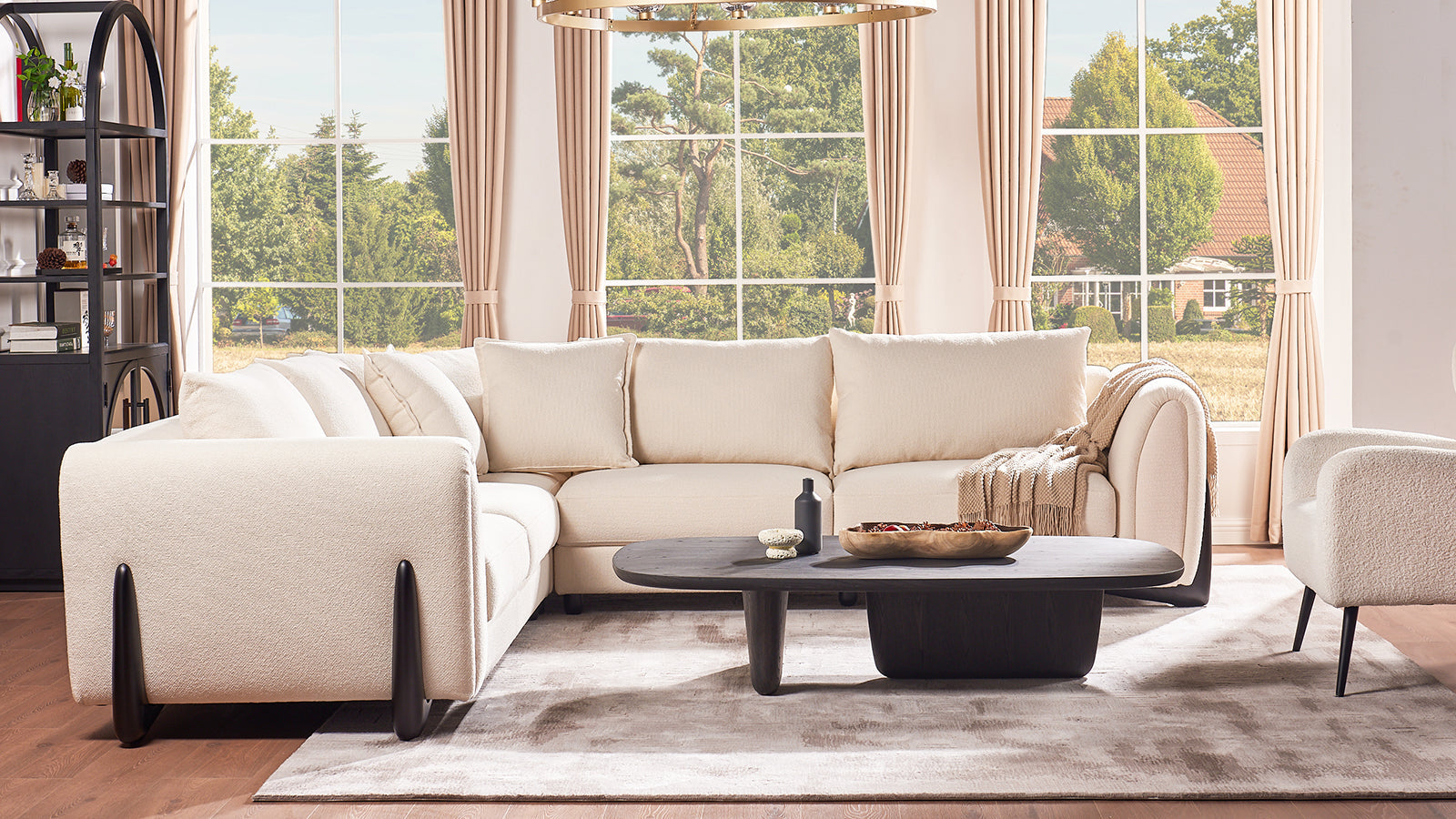
At the end, we’ll show how to apply this framework when browsing Houlte’s sofa lineup—which currently centers around modular sectionals, L-shaped configurations, and electric recliners in the roughly $2,200–$3,525 range (based on their listed sofa collection items).

In today’s U.S. market, a new couch can cost under $500 or over $10,000, and neither end of that spectrum is automatically “right” or “wrong.” The wide range exists because “couch” is a category label, not a standardized product. A couch could mean:
The real question isn’t “How much is a couch?” but:
How much couch are you buying (size + configuration), and what build quality is inside it?
A $2,800 modular sectional isn’t necessarily “more expensive” than a $1,200 sofa—if it has more seating capacity, a stronger frame, higher-grade suspension, and durable upholstery. Conversely, a high price tag can still hide weak construction if the brand is charging for style alone.
These tiers are general market patterns. Individual brands vary, and sometimes you’ll find exceptions. But this overview helps you calibrate expectations.
Most common in big-box, marketplace, and heavily discounted online listings.
Typical characteristics
Best for
Trade-offs
This is where many households land for a primary sofa.
Typical characteristics
Best for
Trade-offs
This is where you often see meaningful upgrades in design complexity, materials, and options—especially for sectionals, modular systems, and power reclining seating.
Typical characteristics
Best for
Trade-offs

Generally cheaper per unit because it’s one piece, with less material and simpler manufacturing.
Usually costs more because:
Often costs more than a fixed sectional because modularity requires:
Key insight:
When comparing prices, don’t compare sofa vs sectional as if they’re the same product. Compare:
A $2,600 modular setup might be a better value than a $1,500 sofa if it seats more people comfortably and lasts longer.
If you only learn five things about sofa pricing, learn these.
A sofa’s frame determines how well it resists wobble, creaks, and long-term loosening.
What to look for
Why it affects price
Better frames cost more to source and build—and they reduce warranty claims.
Suspension is a major comfort and durability driver. Common systems include:
Why it affects price
Higher-quality suspension maintains support and reduces sagging, especially on larger sectionals.
Two sofas can look identical and feel wildly different after six months.
What to verify
Why it affects price
Better foam and layered builds cost more and retain shape longer.
Fabric and leather pricing ranges dramatically.
Common upholstery buckets
Why it affects price
Upholstery is both a material cost and a labor cost (cutting, sewing, tailoring).
Power reclining sofas introduce:
What to verify
Why it affects price
Mechanisms add bill-of-materials cost and complexity, but they can also add real value if you use them daily.
Two sofas with the same sticker price can have very different total cost.
Consider:
If a sofa arrives flat-packed:
Always check:
For power reclining, confirm:
Instead of asking “Is $2,800 expensive?”, use two quick calculations.
If Sofa A is $1,200 and lasts 3 years:
$1,200 / 3 = $400 per year
If Sofa B is $2,600 and lasts 8 years:
$2,600 / 8 = $325 per year
Sofa B is “more expensive” upfront but cheaper over time—and likely more comfortable longer.
A $3,320 sectional that seats 5 comfortably is not directly comparable to a $1,500 sofa that seats 3.
Use:
Price / number of real, adult-comfortable seats
This quickly reveals whether a modular/sectional price is inflated or justified by capacity.
People return sofas for one reason more than any other: it doesn’t fit the space the way they imagined.
Do these three checks:

Look for:
Avoid (often):
Prioritize:
Consider:
Comfort details matter:
Specs & fit
Construction
Upholstery
Modular details
Power reclining details (if applicable)
Policies
Trust signals
Based on the product list you shared, Houlte’s sofa collection currently includes six items with a clear pattern:
Houlte isn’t trying to win the “under $700 couch” search. The assortment sits firmly in a premium zone where shoppers usually care about:
If you’re choosing among these, use a three-step approach:
Step 1: Decide your category
Step 2: Normalize by capacity
Step 3: Verify the big-ticket cost drivers
On each product page, look for:
In many modular systems, a single corner unit is not typically priced above a 3-seat module unless it’s part of a bundle or has a significantly different build. If Houlte’s corner listing is a bundled configuration (or a larger multi-module set), that would explain the higher price. The right way to confirm is to check whether that SKU is:
That distinction matters for budgeting and comparing value.
If you’re shopping in the $2,200–$3,525 range, the goal isn’t just “a nice-looking couch.” It’s a sofa that fits your room, supports your daily routine, and stays comfortable over years of use. Use the quick guide below, then browse the full lineup here:
Start with a modular sectional. Modular systems are ideal if you move often, may change apartment layouts, or want to add pieces over time. Look for secure connectors, finished sides, and clear module sizing so you can plan expansions confidently.
Best match in Houlte’s current assortment: Lyra Arched Modular Sectional Sofa pieces (2-seat, 3-seat, and corner unit).
Browse modular-friendly options
Consider an electric recliner sofa. Power reclining can be a daily quality-of-life upgrade—especially if you like adjustable positions or want support at the end of a long day. Because mechanisms affect long-term ownership, confirm warranty coverage and the service process before buying.
Best match in Houlte’s assortment: Elara electric recliner options.
Choose a multi-piece L-shaped sectional. This is typically the easiest way to seat more people comfortably without piecing together modules individually. Verify footprint and delivery path measurements carefully—bigger sets fail at hallways and stair turns more often than people expect.
Best match in Houlte’s assortment: Kylix 5-Piece L-Shaped Sectional Sofa.

A couch is not just a piece of furniture—it’s a daily-use system made of structure, suspension, cushioning, and upholstery. The fastest way to regret a purchase is to shop by looks and price alone. The smartest way is to:
If you shop with this framework, you can confidently decide whether a $900 sofa is “enough,” whether a $2,600 modular sectional is actually a bargain for your lifestyle, or whether a power recliner is worth the added complexity.
Browse Houlte sofas using the checklist in Section 9 and the fit guide above. When you’re ready, explore the collection here:
For a primary, daily-use sofa, many shoppers land in the $700–$1,800 mid-range, while premium options often run $1,800–$5,000+—especially for sectionals, modular systems, and power reclining features. The best budget is the one that matches your usage: daily lounging and family use generally justify better frame/suspension/cushion builds.
The biggest differences are usually inside the sofa: frame quality, suspension, cushion build, upholstery grade, and (when applicable) mechanisms like power reclining. Visual design can be similar while internal materials and engineering vary dramatically.
Usually, yes—because sectionals typically use more materials, have more complex manufacturing and shipping logistics, and often seat more people. The fair comparison is not “sofa vs sectional,” but cost-per-seat and cost-per-year.
Modular can be worth it if you value flexibility: moving homes, reconfiguring layouts, or expanding later. Modularity can also increase engineering requirements (connectors, finished sides), which affects price. Use the checklist in Section 9 to verify connection methods and module sizing.
Confirm mechanism warranty, how service requests are handled, whether repairs are in-home or ship-back, and whether parts support is stated. Power features can add huge comfort value, but they also add complexity—so ownership details matter.
Delivery fees (including stairs/elevator constraints), time and risk from assembly, and return logistics (repacking, restocking fees, return shipping). Always read delivery + returns policies like you would read the specs.
Do three things: (1) tape the sofa footprint on the floor, (2) measure the entire delivery path (doors, turns, elevators), and (3) check seat depth/height against your body size and lounging habits. The best-looking sofa can still fail on walkway clearance or delivery constraints.
Prioritize cleanability and durability: tighter weaves that resist snags, clear care instructions, and (if offered) removable covers. Avoid very loose looped textures that can catch claws. If you’re browsing options, cross-check upholstery details against the checklist in Section 9.
Use the “best-fit” module above: choose modular if you want flexibility, electric recliner if comfort features matter most, and multi-piece L-shaped if you want maximum seating in one purchase. Then browse the full collection here: https://houlte.com/collections/sofa.
This guide can outperform typical sofa-price posts because it’s not just a tier list—it’s a decision toolkit:
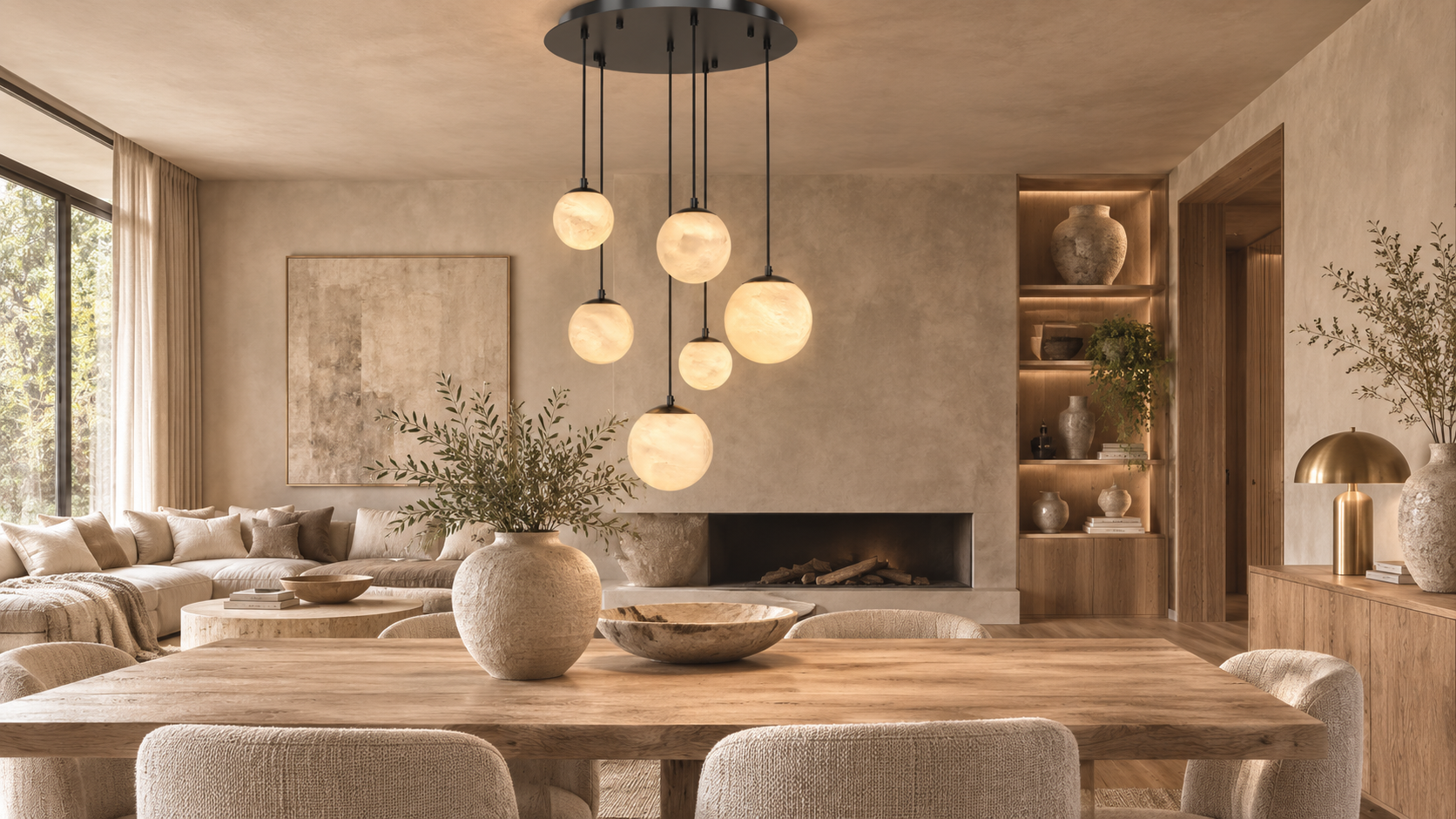
Resin vs. Alabaster Lighting: Which Material Is Right for your Home?
Read moreabout Resin vs. Alabaster Lighting: Which Material Is Right for your Home?
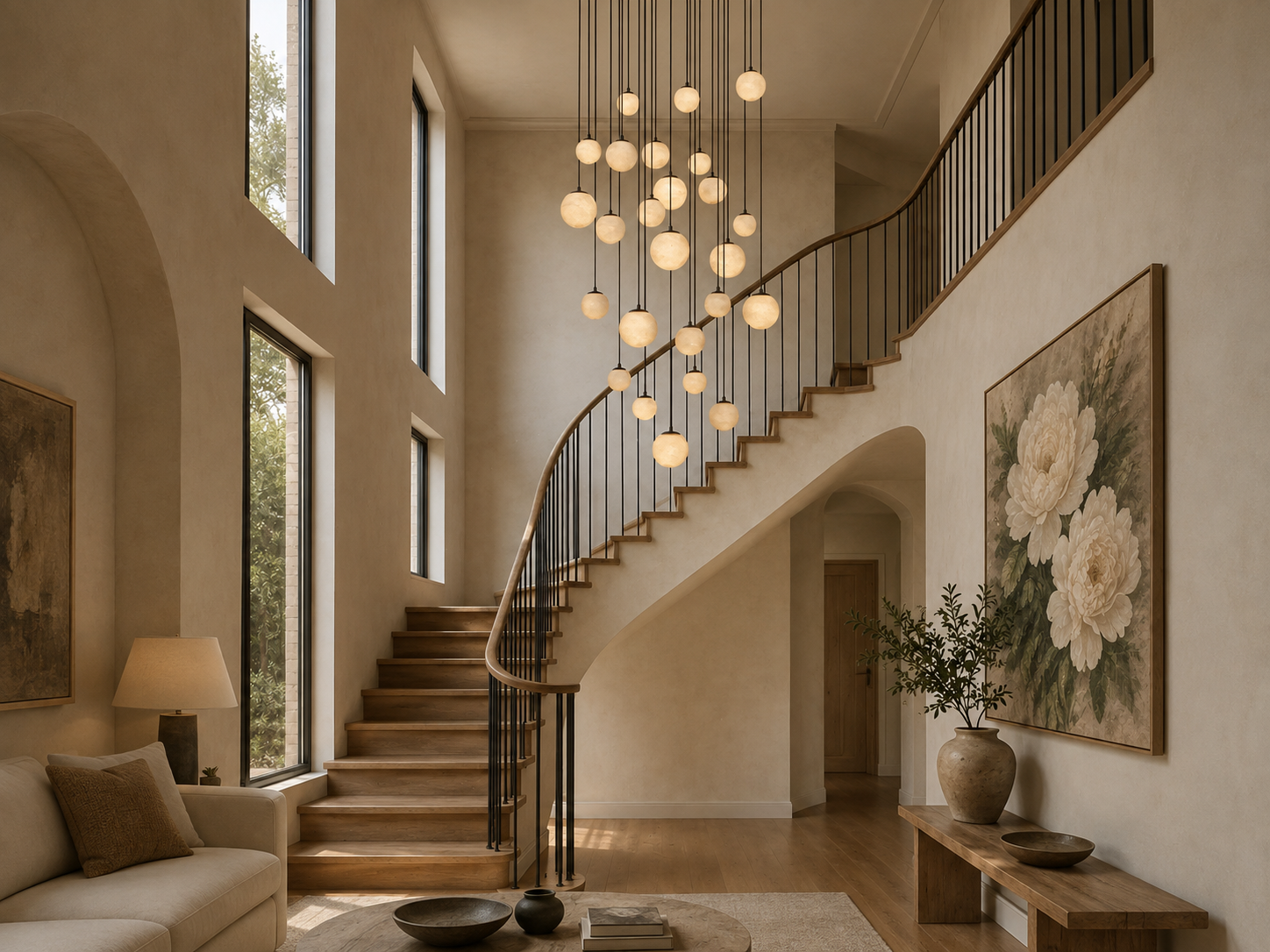
From Sconces to Statement Chandeliers: What Resin Makes Possible
Read moreabout From Sconces to Statement Chandeliers: What Resin Makes Possible
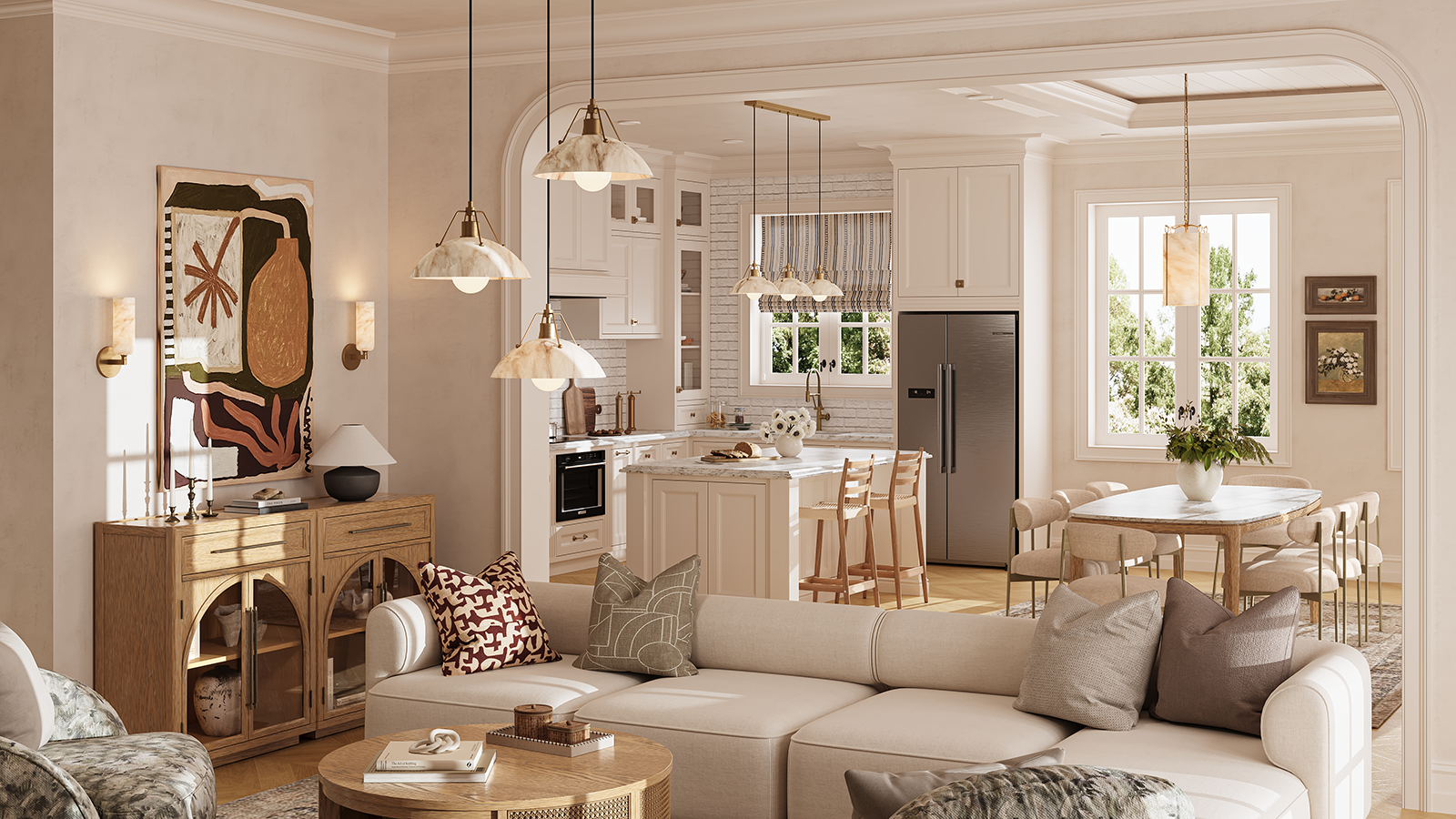
The Case for HOULTE Resin Lighting in Real Homes
Why does HOULTE resin lighting work so well in real homes? Explore its stone-inspired character, practical care, flexible forms, room-by-room applications, and the details to verify before choosing a fixture.
Read moreabout The Case for HOULTE Resin Lighting in Real Homes
Share:
The Ultimate Nightstand Buying Guide: Perfect Sizing, Smart Tech, and Enduring Style
TV Media Console vs. TV Stand: What’s the Difference (and Which Should You Buy)?