



Resin, Inspired by the Soft Glow of Alabaster
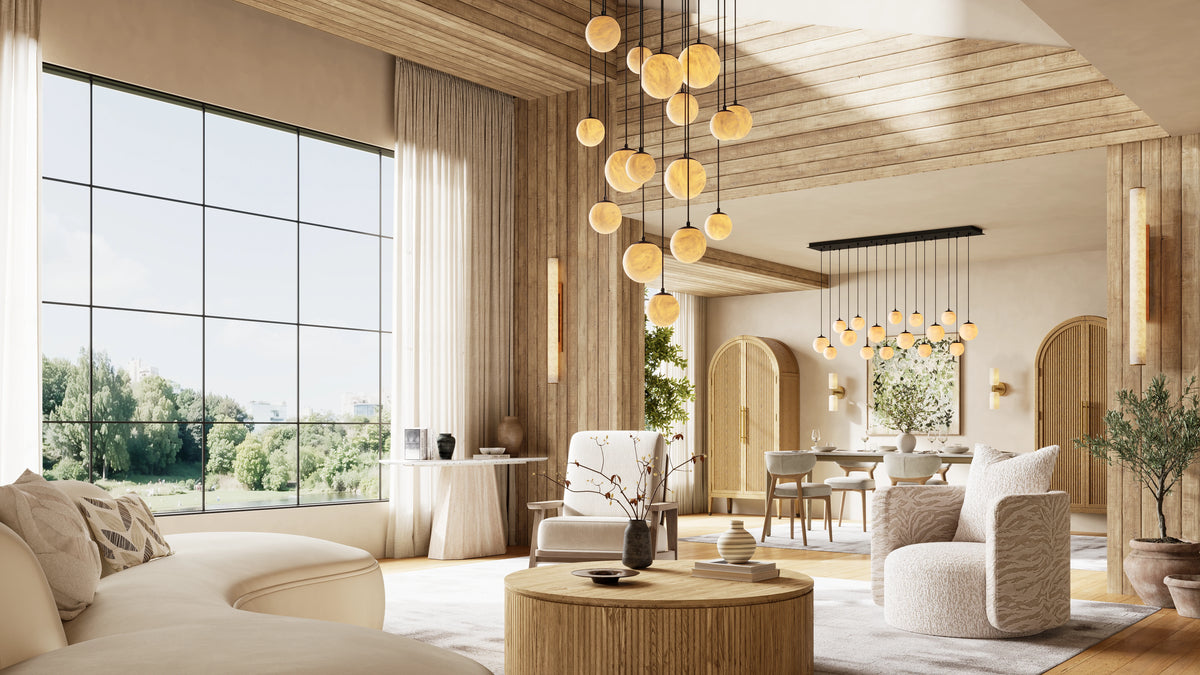
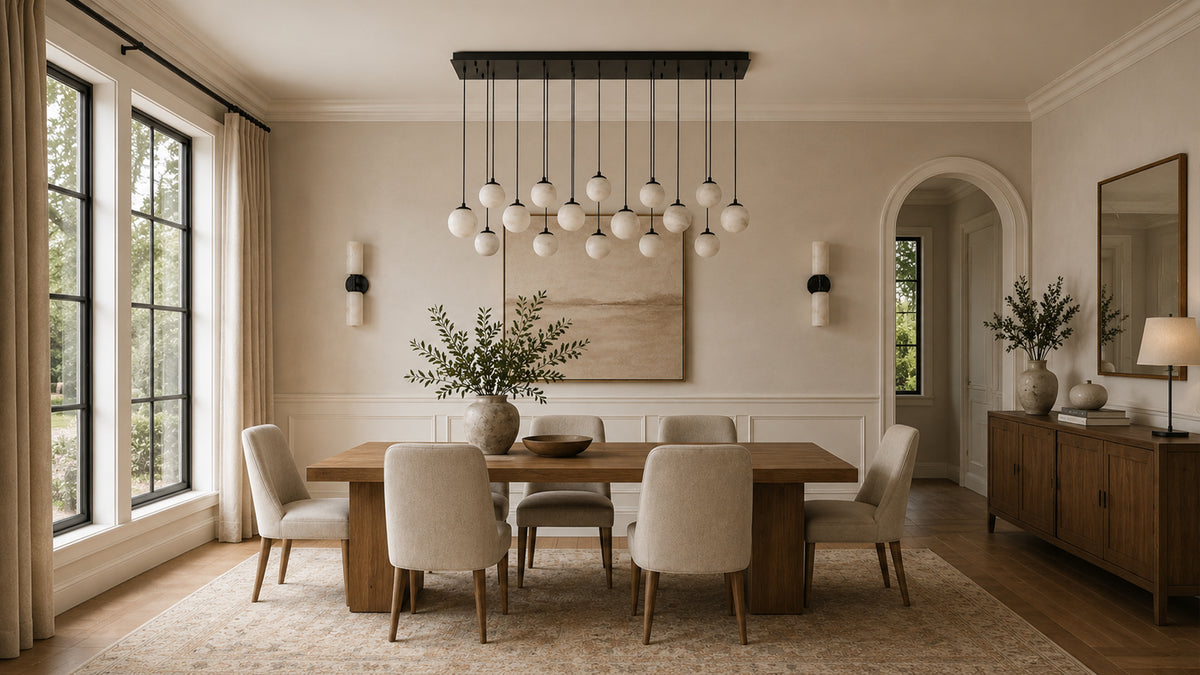
Our resin lighting draws inspiration from the soft translucency, cloudy veining, and luminous depth of natural alabaster, reinterpreting these qualities through sculptural forms that bring warmth, texture, and a softly diffused glow to contemporary interiors.
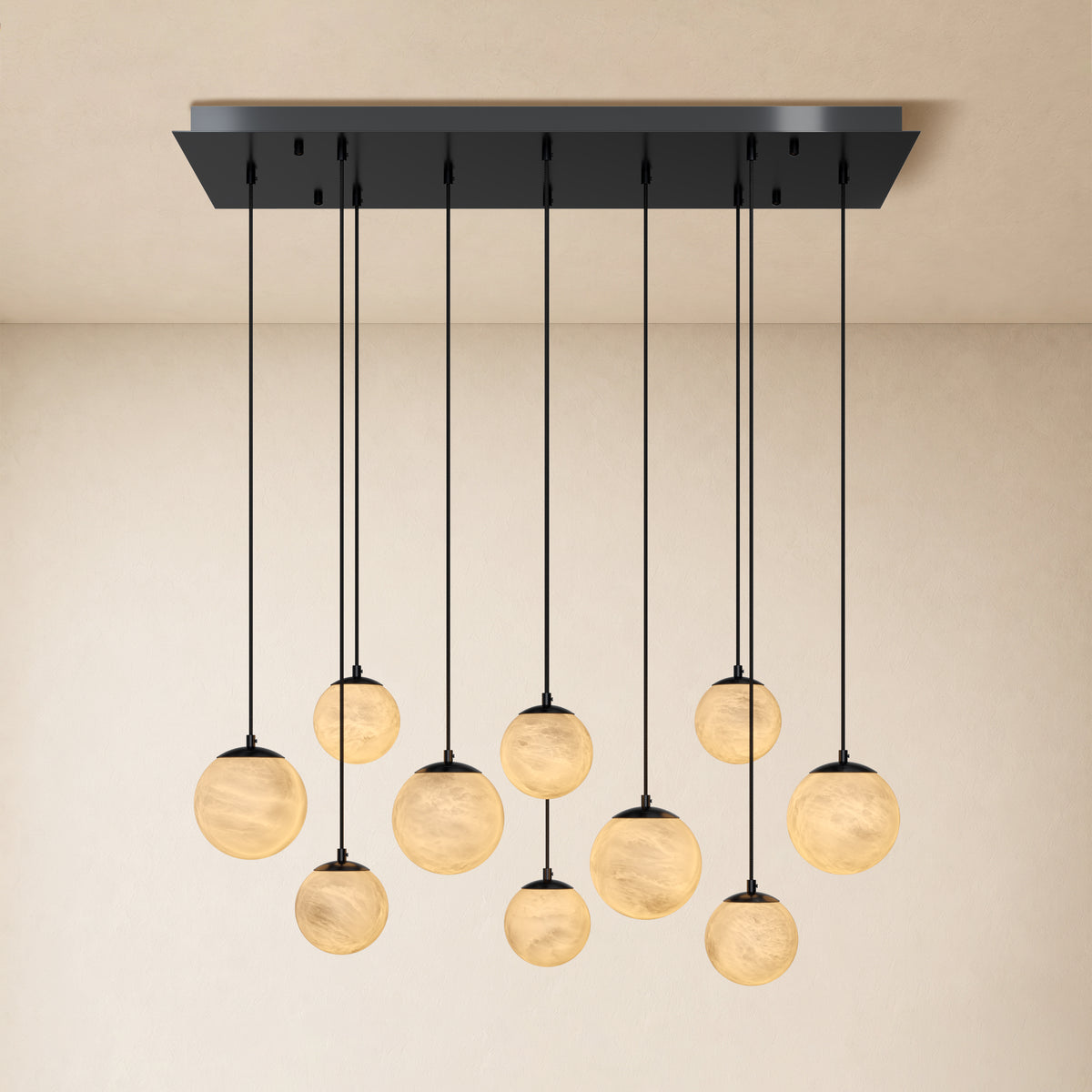

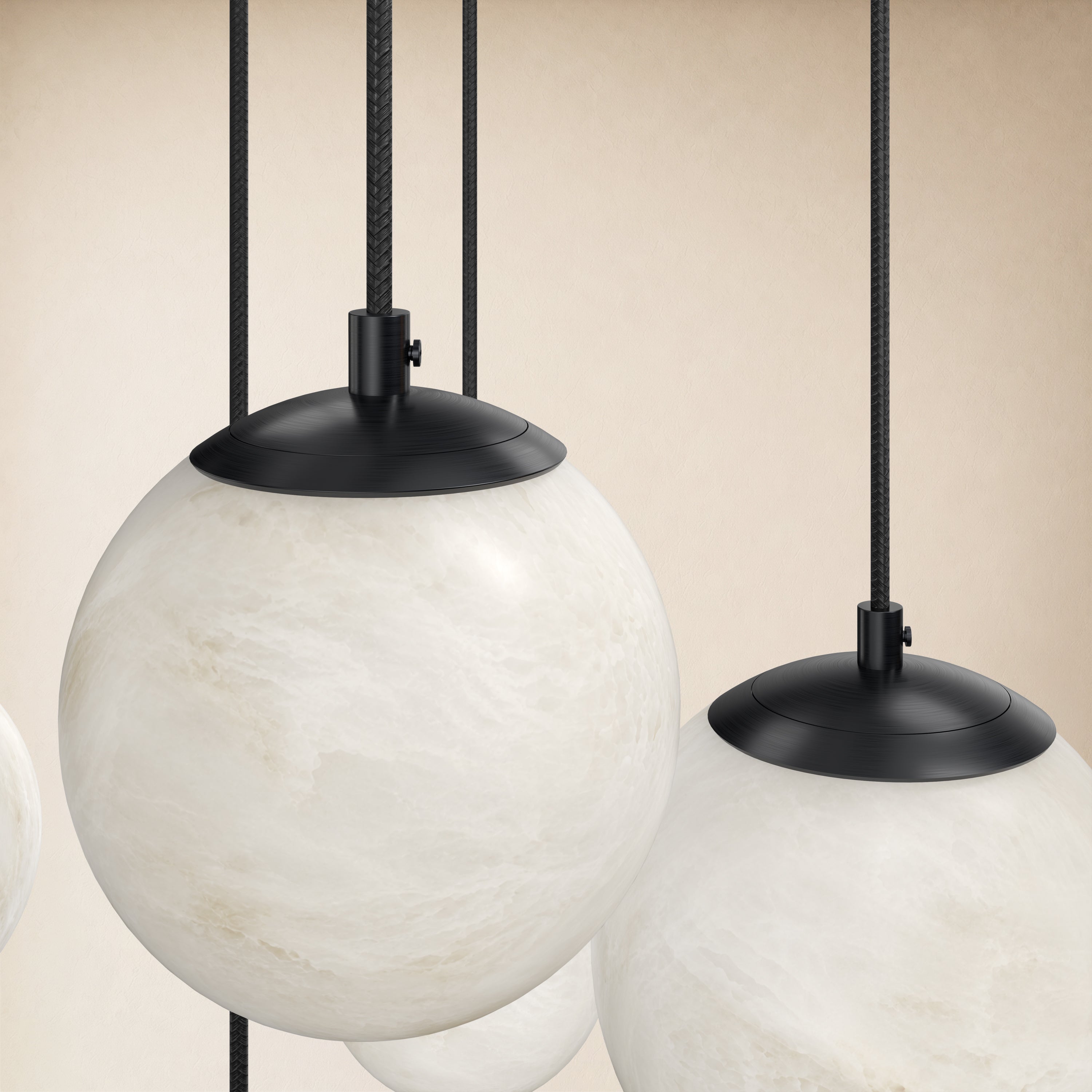
Elviora Resin Globe Rectangular Chandelier
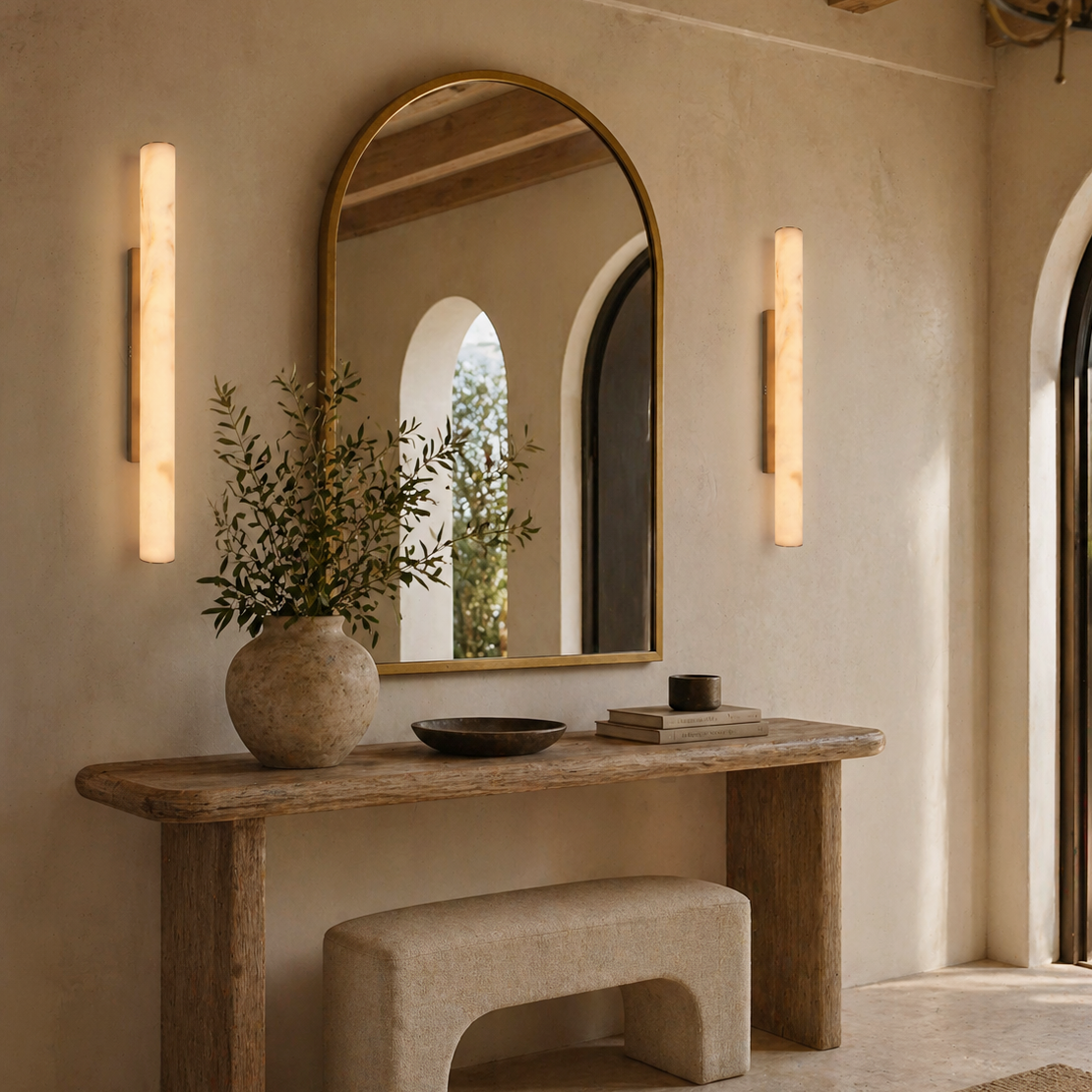
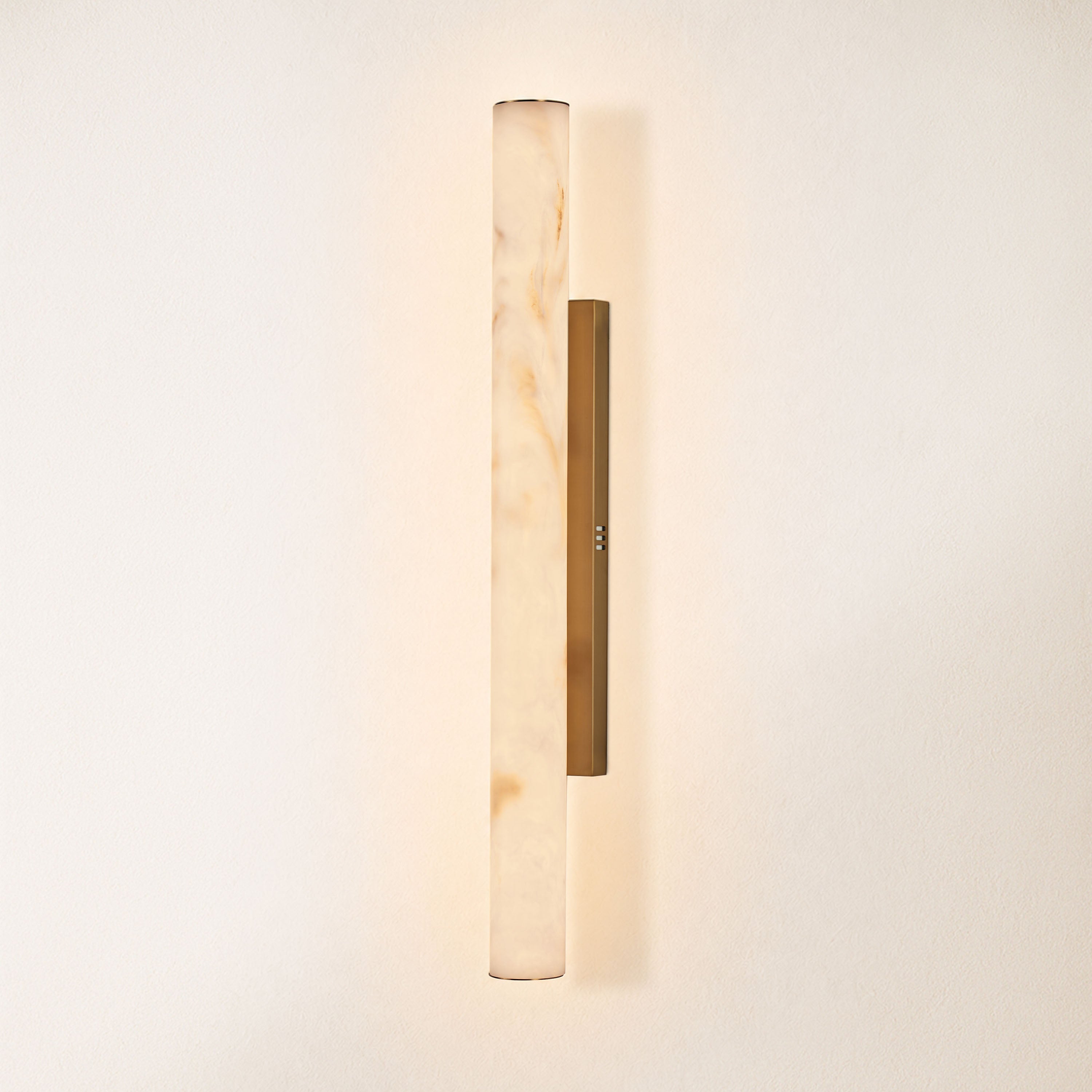
Sylvia Palladian Resin Wall Sconce 36"H


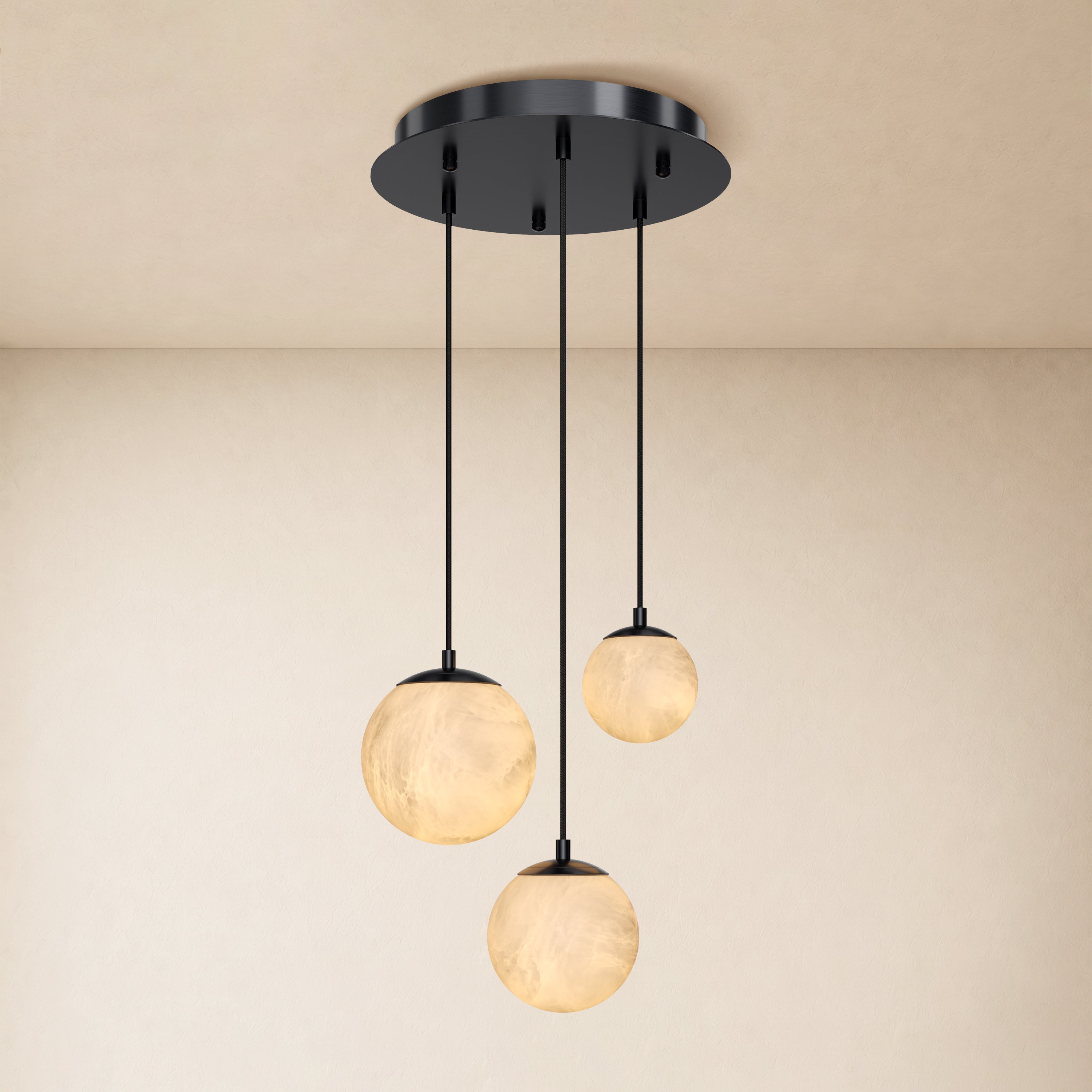
Elviora Resin Globe Round Chandelier
What Is Sculptural Resin Lighting?
Resin is chosen not simply for what it resembles, but for what it allows us to create.
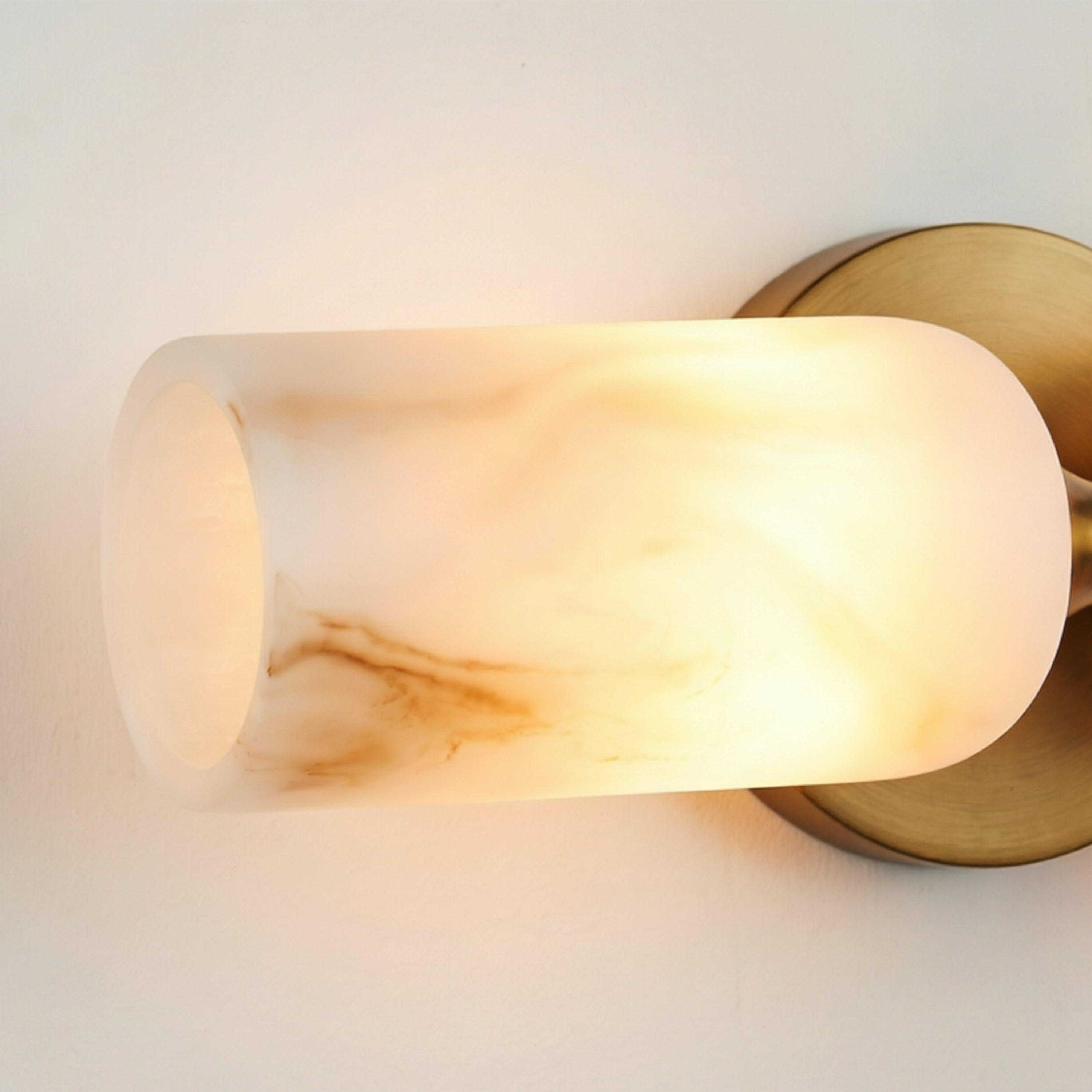
DESIGN & FORM
Sculpted form, luminous character
Textured surfaces add depth, while translucent resin softly diffuses light.
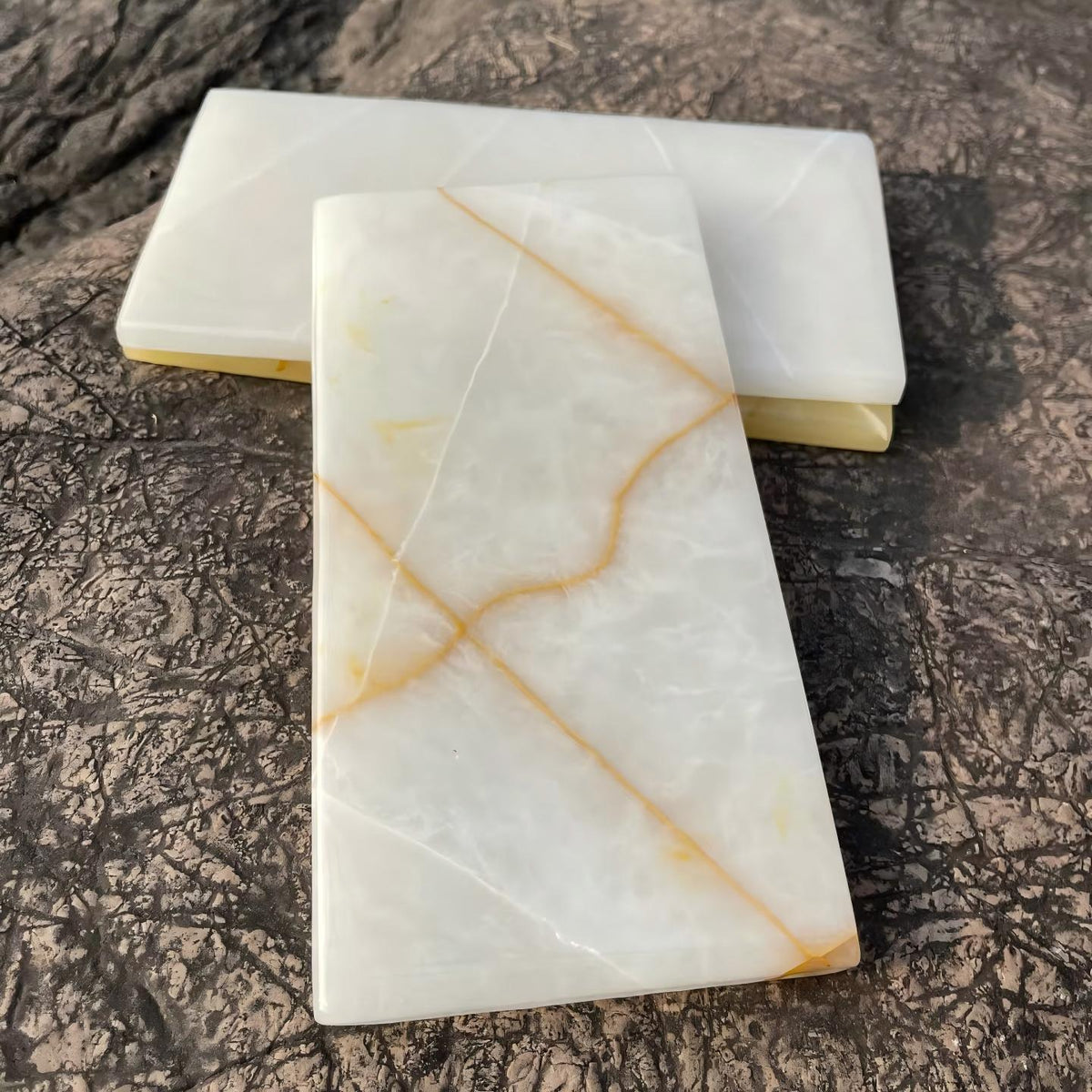
MATERIAL
Crafted for versatility
Resin offers a smooth, durable finish with consistent color and refined detail.
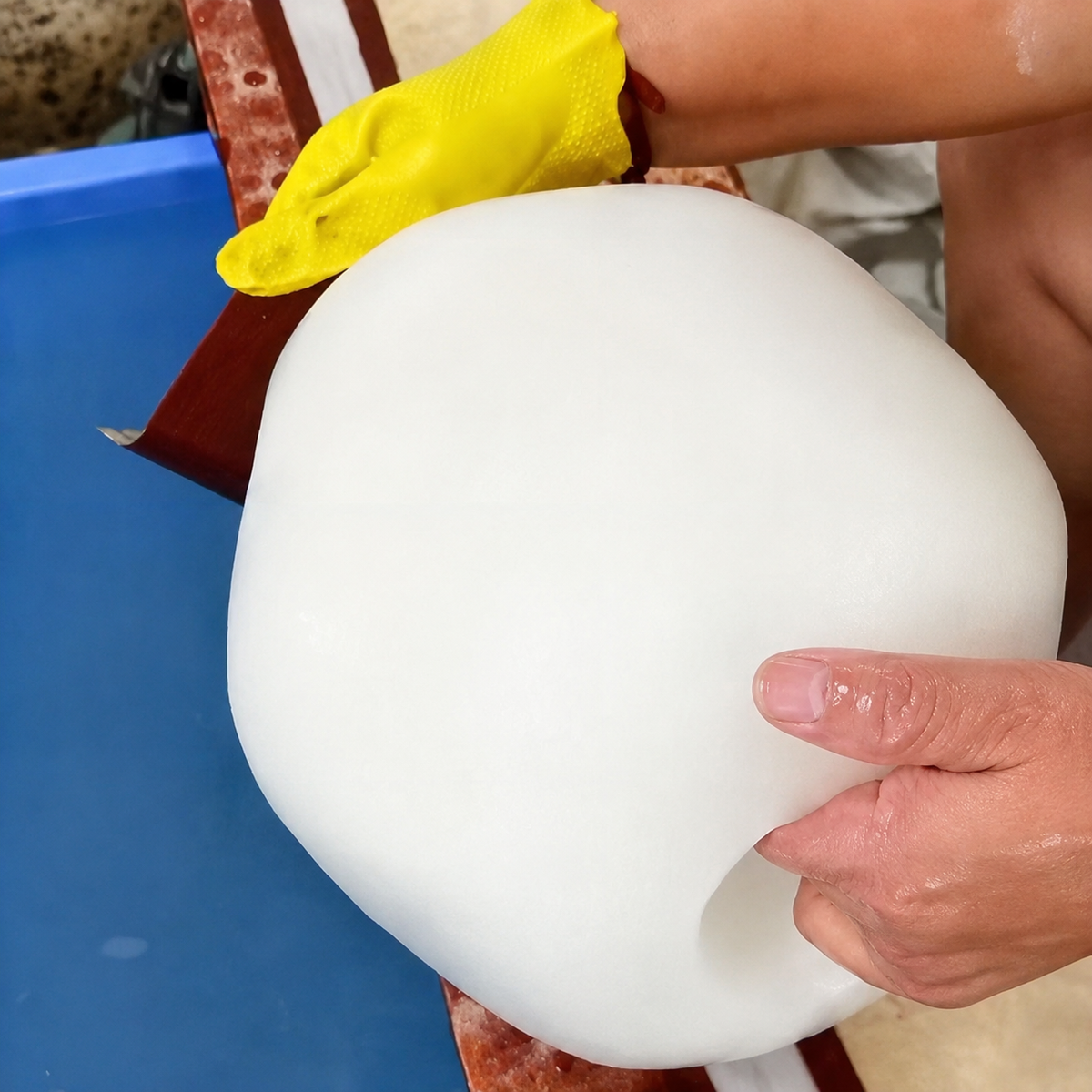
CRAFTSMANSHIP
Made with precision
Careful molding and hand-finishing bring out clean forms, refined textures, and subtle surface details.
The Material Comes Alive With Light.
- Texture becomes more visible
- Light is softened through the material
- The shade itself becomes luminous

Resin vs. Natural Alabaster
Resin Shop Collection → | Natural Alabaster Shop Collection → | |
|---|---|---|
| Appearance | Resin Shop Collection →
| Natural Alabaster Shop Collection →
|
| Material | Resin Shop Collection →
| Natural Alabaster Shop Collection →
|
| Craftsmanship | Resin Shop Collection →
| Natural Alabaster Shop Collection →
|
| Price | Resin Shop Collection →
| Natural Alabaster Shop Collection →
|
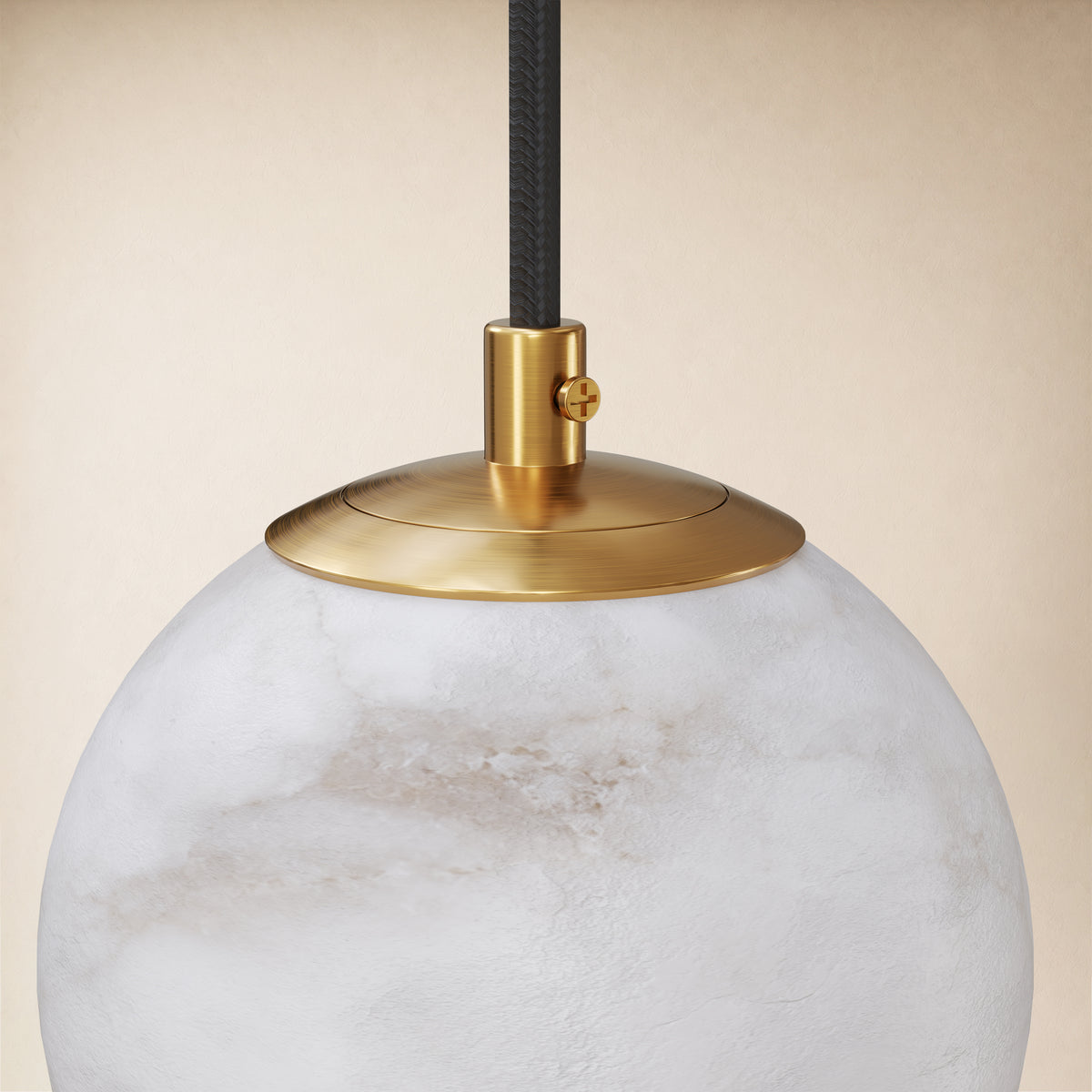
Resin Lighting: Sculptural Freedom & Consistency
Resin offers a soft, milky look with controlled veining and translucency. Lightweight and moldable, it allows for more sculptural forms and consistent finishes.
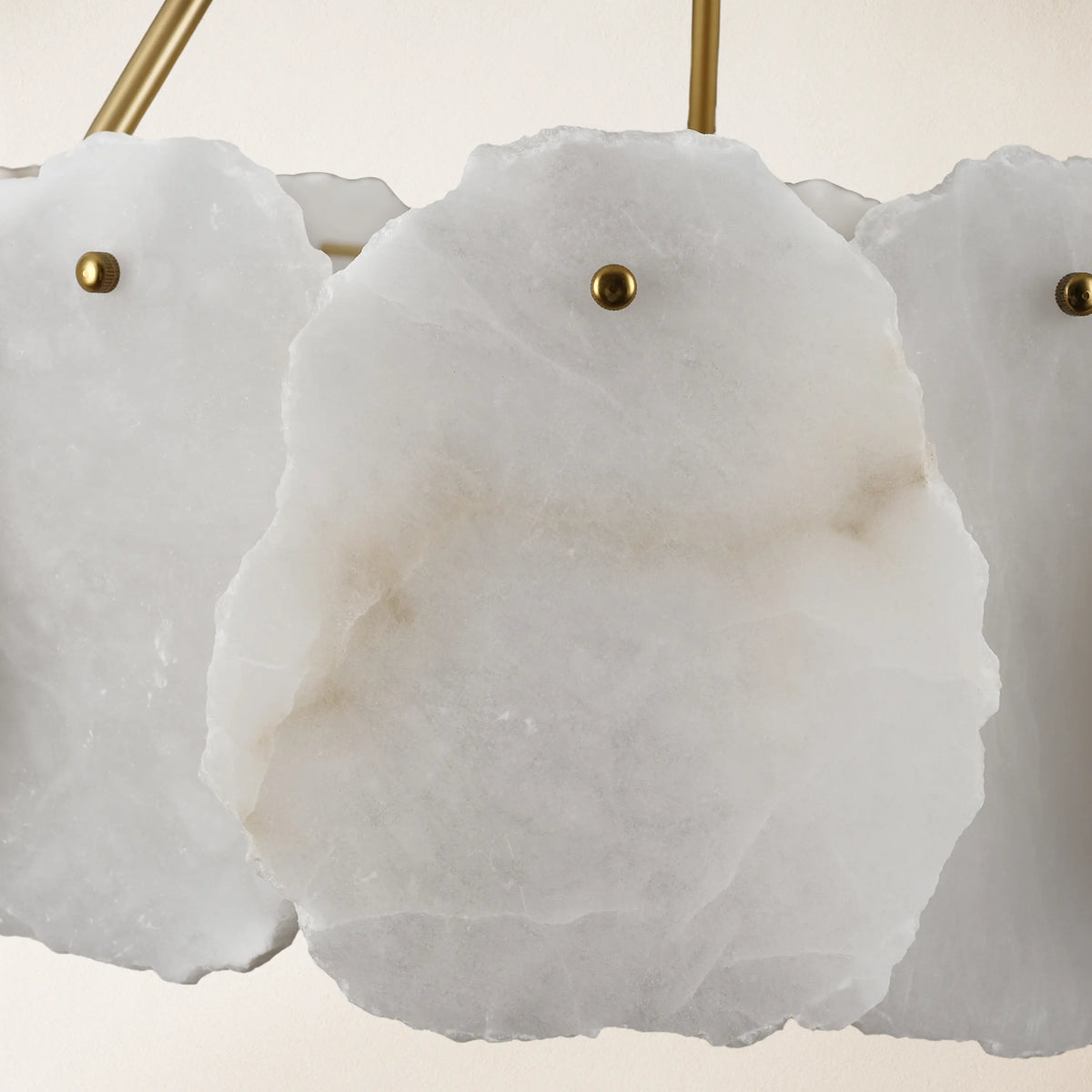
Natural Alabaster Lighting: Organic Beauty & Individual Character
Natural alabaster features organic veining and a naturally diffused glow. Each piece is unique, giving the lighting a more distinctive and refined character.
FAQs
1. Is this real alabaster?
No. The shades in this collection are crafted from resin and designed with an alabaster-inspired appearance. They reinterpret the soft translucency, cloud-like veining, and luminous character associated with natural alabaster while taking advantage of resin’s greater flexibility in shape and design.
2. What makes resin a good choice for lighting?
Resin offers designers greater flexibility in shaping curved, fluted, organic, oversized, and multi-light forms. Its lighter weight and greater control over color and pattern also make it especially well suited to coordinated lighting collections. Natural alabaster has its own unique beauty and character, while resin opens up different possibilities in form, scale, and consistency.
3. Is resin the same as ordinary plastic?
Not exactly. Resin is a polymer-based material, but it is not necessarily the same as the ordinary plastics commonly used in everyday products. Its appearance and performance can vary significantly depending on its formulation, molding process, finish, and application. In lighting, resin can be used to create translucent surfaces, dimensional textures, and sculptural forms, giving designers greater control over shape, color, and visual effect.
4. Will every resin shade have exactly the same pattern?
Not necessarily. Subtle differences in tone, veining, and pattern may occur from piece to piece. These variations give the material a more natural appearance, while resin generally allows greater visual consistency than natural stone.
5. Will the fixture look different when the light is turned on?
Yes—and this is part of the character of the material. When unlit, the resin may appear more solid and stone-like. Once illuminated, its translucency can reveal additional depth, veining, and tonal variation, creating a softer and more luminous effect.
6. Is resin suitable for large chandeliers?
Yes. One of the advantages of resin is its ability to support larger and more complex sculptural lighting designs without relying on large pieces of natural stone. The Resin Series includes everything from compact wall sconces and pendants to multi-light and large-scale cascading chandeliers.
If you have the need to purchase or customize a large chandelier, please click here.
7. Can I mix different Resin Series fixtures in the same home?
Yes. The collection is designed to work across different scales and fixture types, including wall sconces, pendants, flush mounts, and chandeliers. Using related resin textures throughout different rooms can create a coordinated material language without requiring every fixture to have exactly the same shape.
8. Why does the color look slightly different in different photos or rooms?
Resin can respond noticeably to its surroundings. Natural daylight, warm or cool bulbs, wall colors, and even screen settings can influence how the material appears. A shade may look creamier, warmer, or more translucent depending on the lighting conditions.
9. Does alabaster-inspired resin try to perfectly copy natural stone?
No. The goal is not to reproduce natural alabaster exactly. Instead, the material takes inspiration from qualities such as soft translucency, cloudy movement, and luminous depth, then translates them into forms and textures that are specifically designed for contemporary lighting.
Why Shop With Us
Free Shipping
Free shipping on eligible orders
100-Day Returns
Easy and worry-free returns
2-Year Warranty
Quality you can rely on
Secure Checkout
Safe and protected payments