


Alvar 63″ Oak 6-Drawer Chest(Set of 2)


Alvar Arched 61" Oak Sideboard with Drawers(Set of 2)


Alvar Arched 94.5″ Oak Modular Media Console(Set of 3)

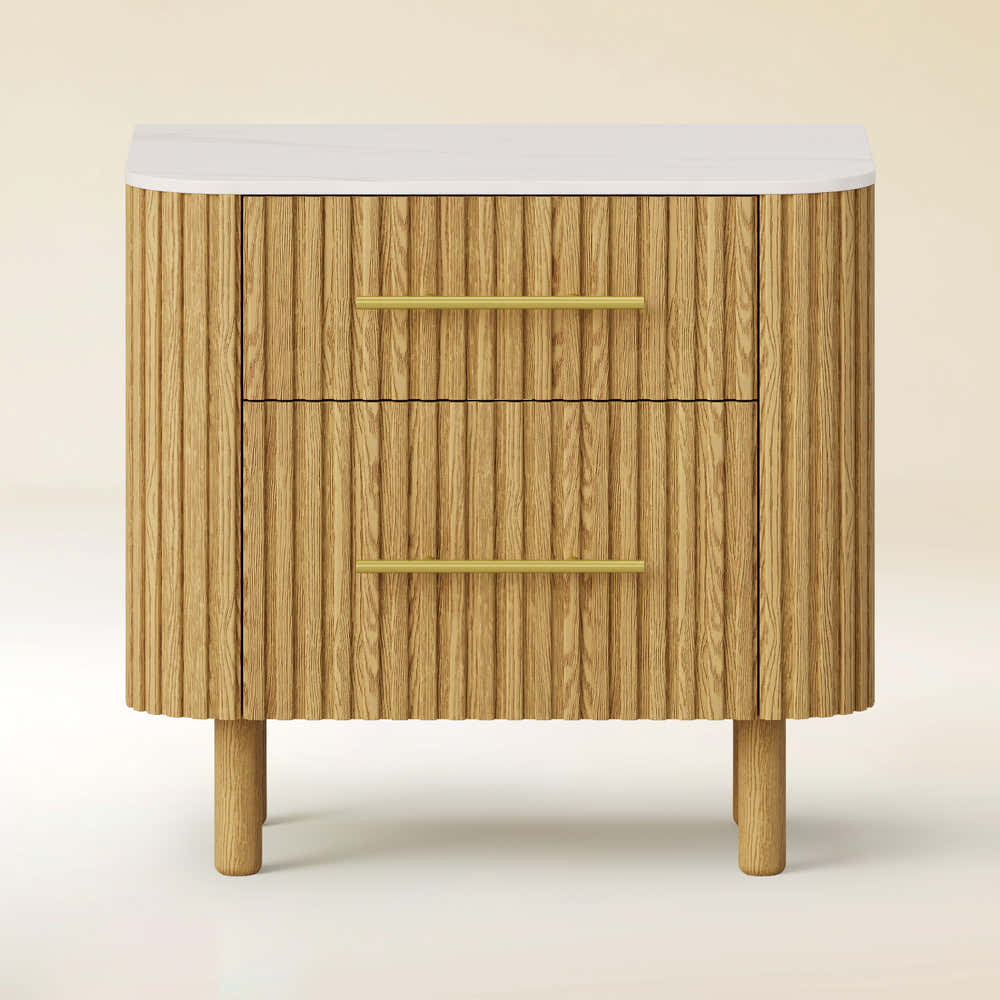


Charlie Sintered Stone Nightstand 26" W
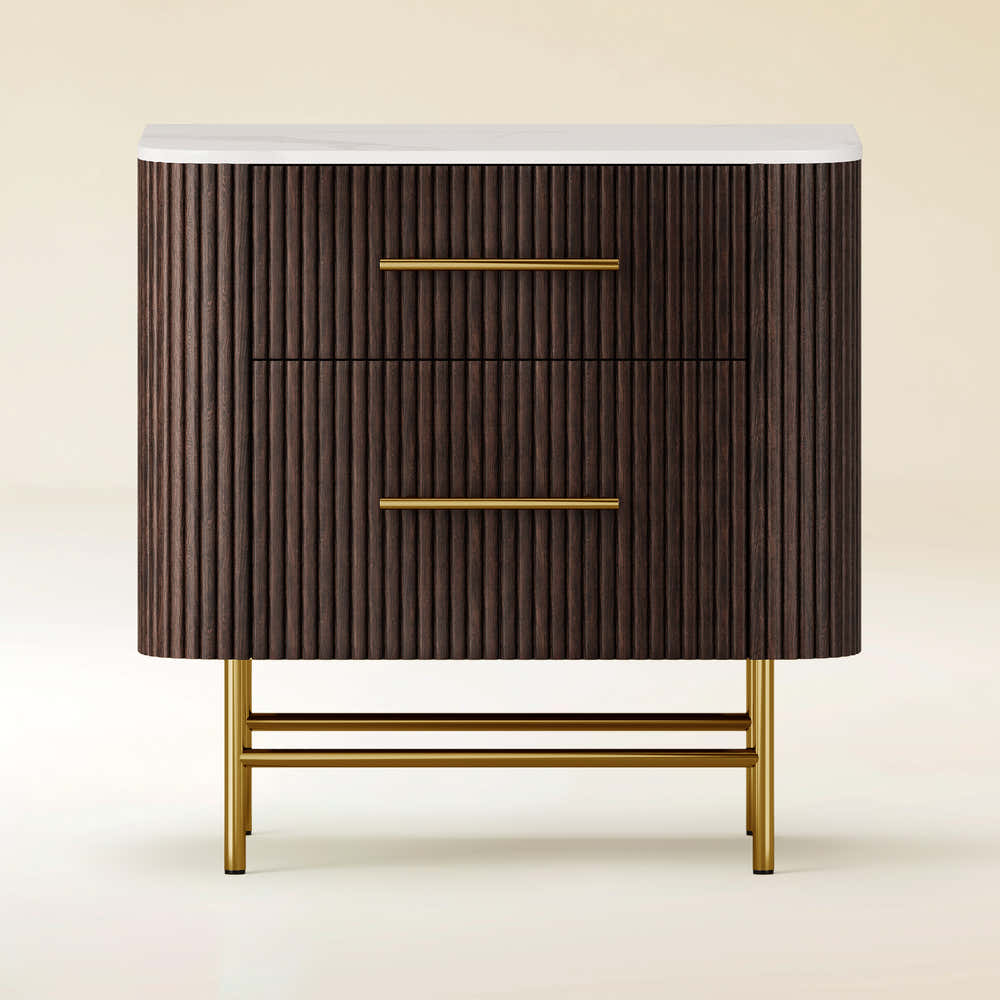


Ewan Sintered Stone Nightstand 26"W


Holt 63″ Solid Oak Console(Set of 2)


Holt 95″ Solid Oak Console(Set of 3)


Moira Alabaster Round Chandelier 24"D


Silas Extendable TV Stand 80" to 110"


Sylvia Palladian Alabaster Wall Sconce 20"H


Alvar Arched 95″ Oak Media Console(Set of 3)

Ewan Oak Extendable Media Console 79" to 110"


Holt 126″ Solid Oak Console(Set of 4)


OpalEdge Alabaster Wall Sconce 14"H

FSC FCOC47059 . FSC is dedicated to the promotion of responsible forest management
worldwide. By selecting this product, you help take care of the woorld's forests

UL-certified for indoor drying environments not directly exposed to excessive moisture or water;
Use in the United States and Canada.

Certified to Dry ETL electrical standard: suitable for use indoors in dry locations not directly exposed to excessive moisture and water
Use in the United States

CE-certified drying equipment compliant with electrical standards: Suitable for indoor drying environments not directly exposed to excessive moisture or water;
Tested for use in Europe, the UK, and other regions.


The support center has answers to questions you may have. You can also contact customer service in the support center if you can't find what you're looking for.
Support Center >
At houlte, we are committed to delivering quality, style, and great value to our customers. Our goal is to simplify your shopping experience by providing competitive prices and exceptional service.

If an item you purchased from houlte goes on sale on our website within 30 days of your purchase date, you may request a price match. This policy ensures you always receive the best value when shopping with us.
Houlte reserves the right to interpret and adjust the terms of the Price Match Policy as necessary.
Houlte has partnered with Taskrabbit to make your everyday life at home easier by connecting you with flexible and affordable ways to get your to-do’s done including furniture assembly and mounting.

1. Purchase your furniture at Houlte.
2. Check your order Dispatched and Delivered email and click the
Houlte link. You will be redirected to Taskrabbit's landing page.
3. Post your task on Taskrabbit platform.
4. Pick the best tasker to assemble your furniture.
Houlte has partnered with Taskrabbit to make your everyday life at home easier by connecting you with flexible and affordable ways to get your to-do’s done including furniture assembly and mounting.
Taskrabbit Assembly is available in most metro areas in the US. The availability of Taskers varies based on demand. When placing an order on Taskrabbit, you will need to enter your zip code. If the service is not supported in your area, you will not be able to place an order.
You can book assembly for your Houlte furniture as early as the next day after your delivery, and up to 14 days in advance, giving you flexibility to choose a time that works best for you.

Ready to use out of the box; minimal installation may be required (e.g., handles).

Main structure is pre-built; minor components require attachment (e.g., legs).

Assembly required; multiple parts must be assembled before use.
Our furniture is built with a combination of core boards, real wood veneers, and selected solid wood parts. Each material is used for a different purpose—structure, surface appearance, or visible strength—so the final piece feels balanced in performance, finish, and cost.
Core boards form the internal foundation of the furniture. They provide structure, stability, and efficiency across large surfaces and cabinet bodies.

Stable structural board

Smooth and consistent

Functional internal board
Selected solid wood parts are used where visible strength, tactile quality, and structural integrity matter most—such as legs, frames, trim, and exposed support details.

Durable and classic

Light and versatile

Premium and elevated
The shape you pick quietly controls how people move through your living room, how comfortably everyone can reach a drink, whether knees and shins survive daily life, and whether your seating area feels “designed” or slightly off. A round table can make a tight space feel easier to navigate. A rectangular table can make a long sofa feel properly anchored. And in many homes, the best answer isn’t about what looks cutest online—it’s about traffic flow, reach, proportions, and your actual habits.
This guide goes beyond basic pros/cons. You’ll get a clear comparison table, layout rules that work in real rooms, and a step-by-step decision method you can use before you buy.
| Category | Round Coffee Table | Rectangular Coffee Table | Best If You… |
|---|---|---|---|
| Visual vibe | Softer, casual, conversational; breaks up “boxy” rooms | Clean, structured, architectural; reinforces straight lines | Want cozy flow vs. tailored order |
| Typical sizing | ~28–40" diameter (common); visually compact | ~40–60" length (common); slimmer depth | Need compact footprint vs. more surface |
| Best with sofa types | Sectionals, U-shaped seating, curved/rounded sofas | Standard 3-seaters, long sofas, sofas with chaise, modular rows | Have a sectional vs. a long straight sofa |
| Reach (snacks/drinks) | Equal reach from multiple seats; great “center access” | Excellent reach along a sofa; more usable edge length | Sit in a circle vs. sit in a line |
| Surface area per footprint | Efficient in square rooms; can feel smaller for laptops/board games | Maximizes usable surface, especially for activities | Host/game/work from sofa |
| Traffic flow | No corners to clip; easier in tight pass-throughs | Predictable edges; can create a straight “lane” beside it | Need corner safety vs. need corridor clarity |
| Safety | No sharp corners; fewer hip/knee bumps | Corners can be impact points unless rounded/chamfered | Have kids/pets/older adults |
| Rug compatibility | Great on square rugs or when rug feels crowded | Perfect on rectangular rugs; “locks in” the seating zone | Rug is square vs. rug is rectangular |
| Styling flexibility | Sculptural bases shine; works well with curves/arches | Easy to style with trays/books; strong symmetry | Prefer sculptural focal point vs. styled vignette |
| Storage options | Often pedestal or open base; less hidden storage | More common to find shelves/drawers in some designs | Want airy look vs. want function/storage |
A quick rule: Round tables excel for flow and conversation. Rectangular tables excel for reach and “anchoring” a sofa-focused layout.

Before measuring anything, answer this honestly:
Is your living room mostly for conversation or mostly for TV?
Do you eat, work, or play games at the table?
Who uses the room daily (kids, pets, elderly family, guests)?
This “usage” layer matters more than trends—because the coffee table sits right where people’s legs, pathways, and habits collide.
Most living rooms feel comfortable when you keep:
If your room is tight, you can sometimes dip to 12 inches—but that can feel cramped fast, especially with deep sofas or tall people.
For major walkways (where people regularly pass through), aim for:
In real life, people don’t walk in perfect rectangles. They cut corners, pivot while carrying snacks, and squeeze between furniture when the room is full.
A round table:
This is especially helpful in:
This surprises people: rectangular isn’t automatically “harder.”
In a long, narrow living room, a rectangular table can:
Where round sometimes fails in narrow rooms is that it can “float” into the middle, stealing precious walkway width. A slim rectangle, centered on the rug, can keep circulation more legible.

A round table is excellent when people sit on multiple sides—sectionals, two sofas facing each other, or chairs pulled in. Everyone’s reaching toward the same central zone.
It’s also great when you want a “conversation circle” vibe: no dominant head-of-table feeling, no long distance to the far end.
Trade-off: you may have less “linear” edge space for spreading out laptops, board games, or multiple serving platters.

A rectangular table shines when your main seating is a straight line (a 3-seater, long modular, or sofa + chaise). People can set items down close to them without reaching diagonally.
It’s also easier to style with:
Trade-off: corners become the danger zones and the edges can feel “harder” in tight spaces.
Rectangular is usually the easiest win:
If your room is tight, consider oval as a compromise: the rectangle’s reach with fewer corner bumps.
Both shapes can work, but here’s the practical truth:
Round (or oval) is often best, especially in smaller rooms. It fits naturally in the “L” without corner conflict and keeps the sectional from feeling like a traffic obstacle course.
If your sectional is large and your room is open, a rectangular can still work—just keep excellent clearance and consider softened corners.
Round is great for conversation. Rectangular works too, but it reads more formal and can feel like a “corridor” between two seating lines.
Round (or oval) usually looks most cohesive. A hard rectangle against a curvy sofa can feel visually mismatched unless you’re intentionally adding contrast.
Forget guessing. Use these rules as starting points.
A strong guideline:
Coffee table length ≈ 1/2 to 2/3 of your sofa length
Examples:
If you entertain a lot or use the table for activities, lean toward the longer end. If your room is tight, go shorter.
A practical guideline:
Round table diameter ≈ 1/2 to 2/3 of the sofa’s visible seating span (or the shorter leg of a sectional)
Examples:
Most comfortable setups put the coffee table at:
Too high feels awkward and blocks sight lines; too low feels impractical for daily use.
Round removes corners, but safety also depends on:
If you love rectangles but worry about bumps:
A useful way to think about it: shape reduces risk, but layout and edge design control outcomes.
Round tables tend to:
This is especially true when your rug is square or nearly square.
Rectangular tables tend to:
If your room already feels like a hallway, choose a rectangle with a slimmer depth, or consider an oval to keep circulation softer.
Round coffee tables often feel:
They pair beautifully with:
Rectangular tables often feel:
They pair naturally with:
Design balancing trick:
If your room has many hard rectangles (TV, console, windows), adding a round table can soften the grid. If your room is already very curvy/organic, a rectangle can add structure so it doesn’t feel floaty.
Shape is only half the story. The base determines knee comfort, stability, and daily usability.
Pros: great leg clearance, sculptural, easy to navigate
Cons: can wobble if poorly built; heavy tops need strong support
Pros: stable, classic, easy to build strong
Cons: corner legs can hit shins; can feel visually busy if too chunky
Pros: very stable, architectural
Cons: can reduce foot space; may feel heavy in small rooms
Pros: flexible surface area; great for small spaces and entertaining
Cons: not the same as one large usable surface for games/work
Also consider finish realism in daily life:
Use painter’s tape to mark both a round and a rectangular option on the rug/floor. Then walk through your normal pathways.
If you catch your hip or have to turn sideways, that shape/size is wrong (or your layout needs adjustment).
Kids climbing? Choose stable and durable.
Need leg comfort? Avoid bases that block foot space.
Entertain a lot? Consider nesting or a larger rectangle.
A huge round table in a narrow room
Looks cute, but kills the walkway.
A tiny rectangular table with a long sofa
The sofa looks unbalanced; people at the ends have nowhere to set things.
A sharp-corner rectangle in a kid/pet home
It becomes the shin magnet of the decade.
A table that’s too high
Feels awkward and blocks sight lines—especially in TV rooms.
A gorgeous base that blocks knees
People can’t sit close; reach becomes annoying; you stop using it.
If round vs. rectangular feels like a deadlock, consider these hybrids:
This approach often looks more “designer” than forcing one oversized table to do everything.
If you’ve decided on a shape and want to browse options without bouncing between random listings, you can shop by category here:
Before buying, use the tape-outline method and the 14–18" clearance rule to confirm the size in your exact layout.
Choose a round coffee table if you want:
Choose a rectangular coffee table if you want:
And if you want the most universally “livable” compromise, oval is often the stealth winner.
Often round is better for small, square-ish rooms because it improves flow and removes corner collisions. But if your small space is long and narrow, a slim rectangular (or oval) table may preserve a clearer walking lane.
A dependable target is 14–18 inches. Smaller than that can feel cramped; larger can make reaching for items annoying.
Yes—mixing shapes can look more intentional than matching everything. A common pairing is a rectangular coffee table with a round side table, which balances structure and softness.
Usually round or oval, plus a stable base and durable material. Rectangular can work if corners and edges are softened and the layout leaves generous clearance.
Not strictly, but it often looks best when it complements the zone. Rectangular rugs naturally suit rectangular tables; square rugs often look great with round tables. Contrast can work if your proportions are correct and the room isn’t cramped.
If you tell me your sofa length, whether you have a sectional or straight sofa, your rug size, and the tightest walkway measurement, I can recommend an ideal coffee table shape and exact size range that will fit your room (and not just look good in photos).

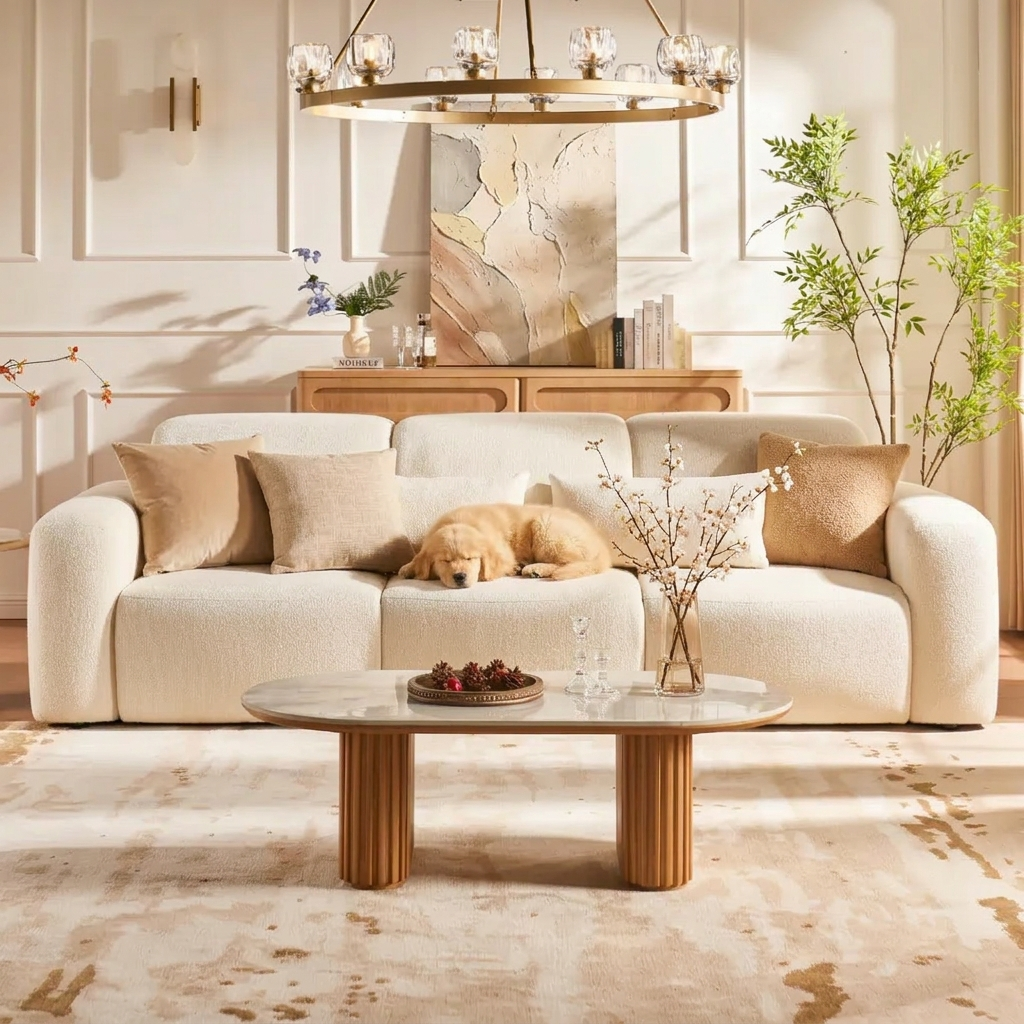
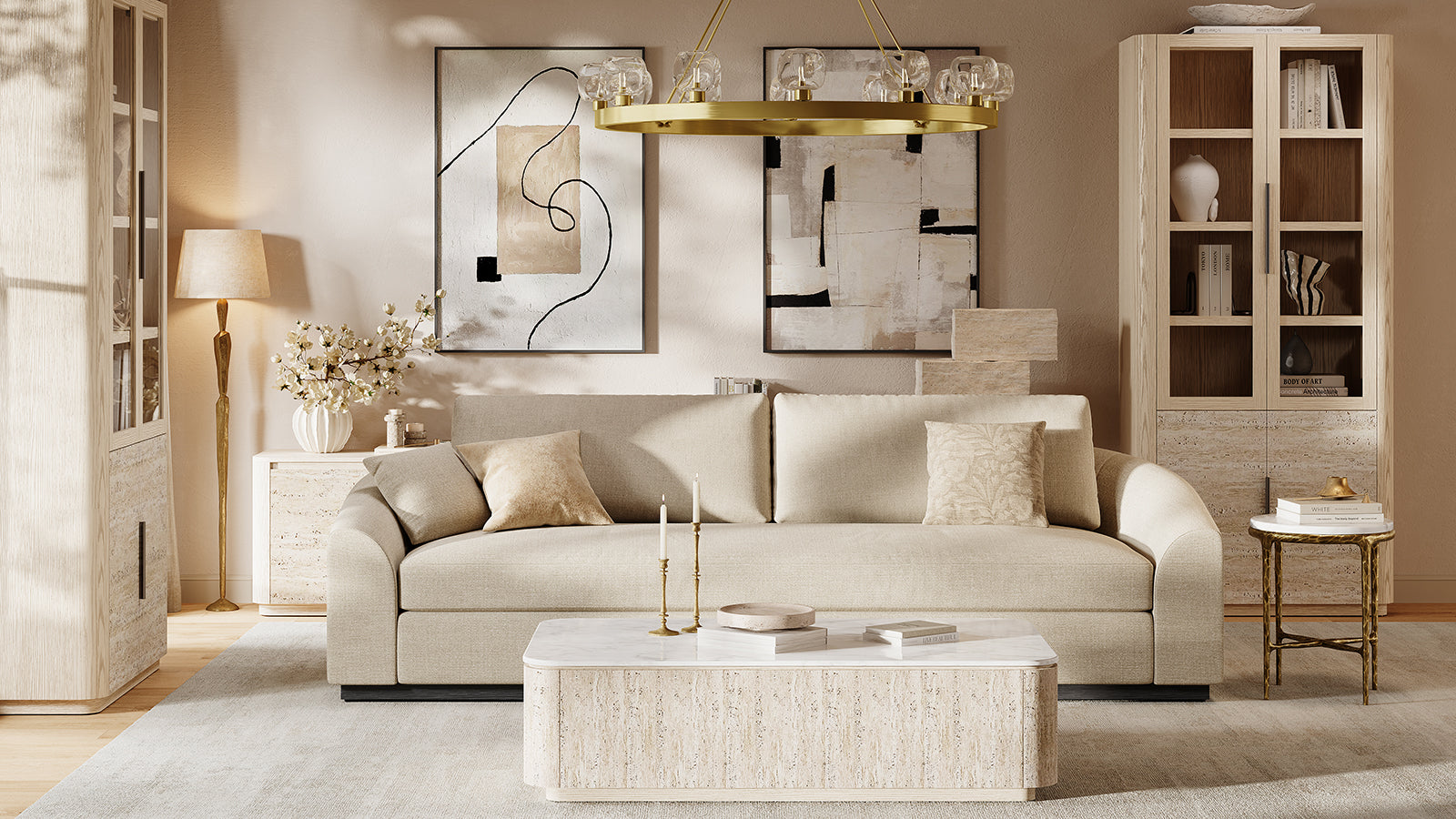
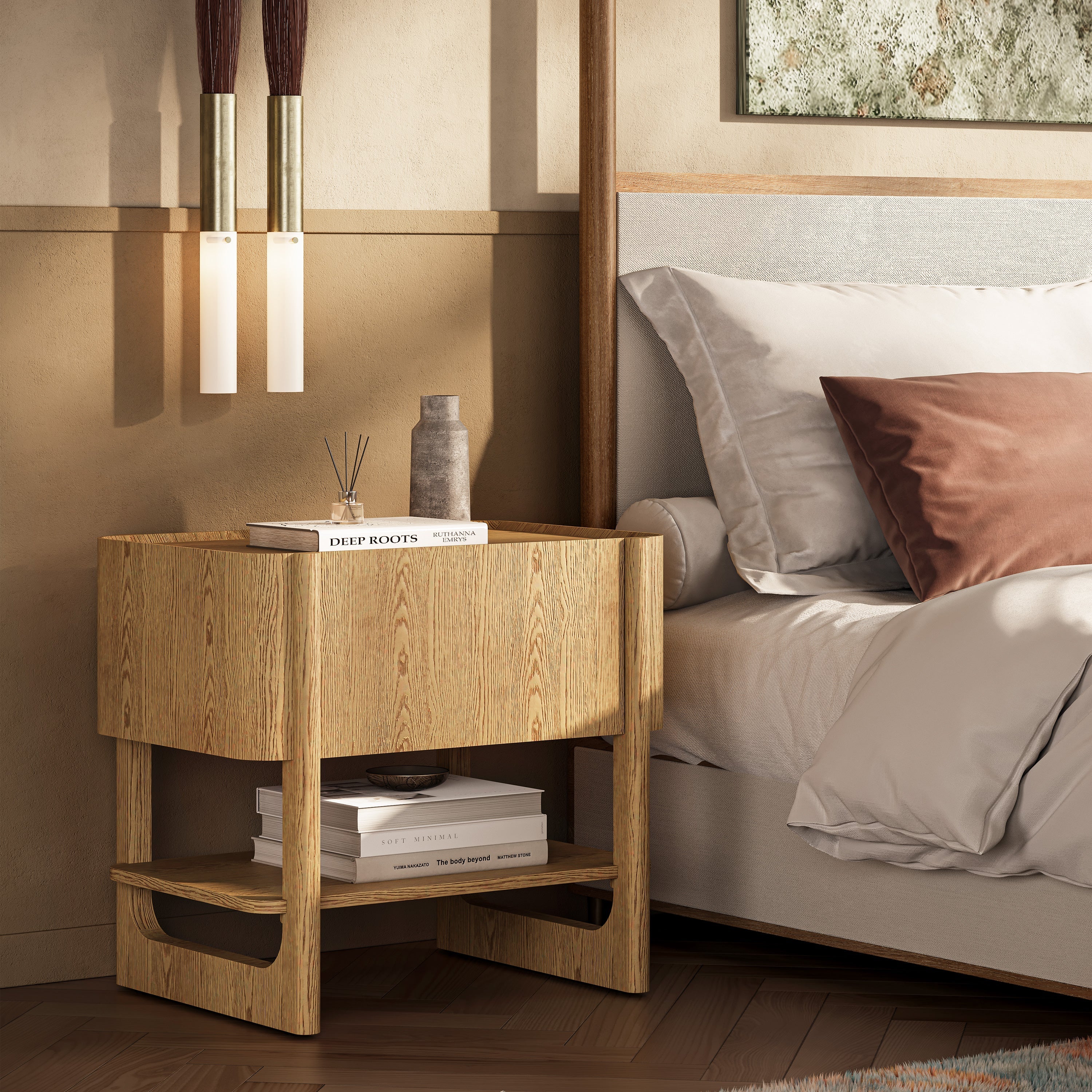
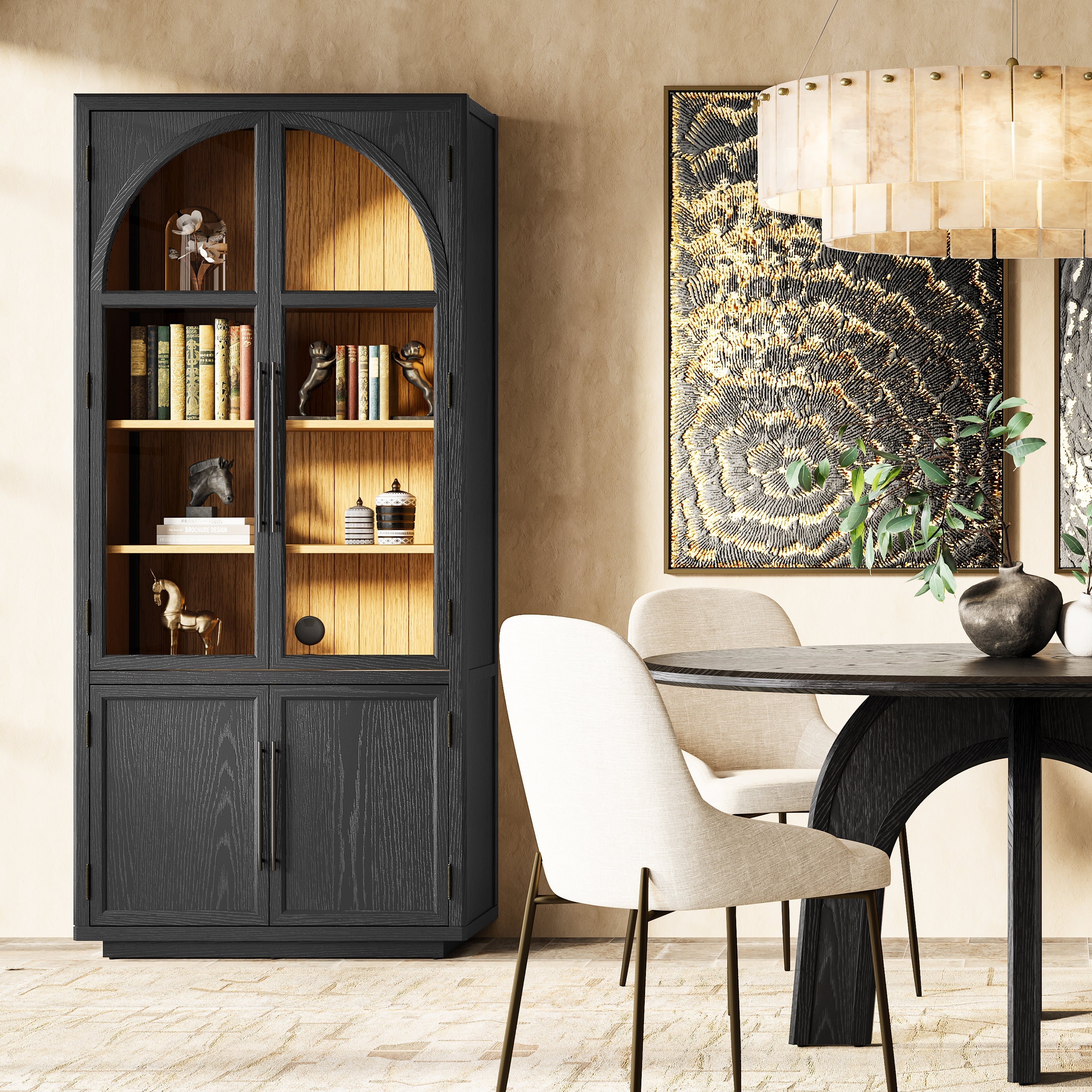
Share:
TV Media Console vs. TV Stand: What’s the Difference (and Which Should You Buy)?
Buying a Coffee Table Online: What Smart Buyers Know (and What Most People Miss)