


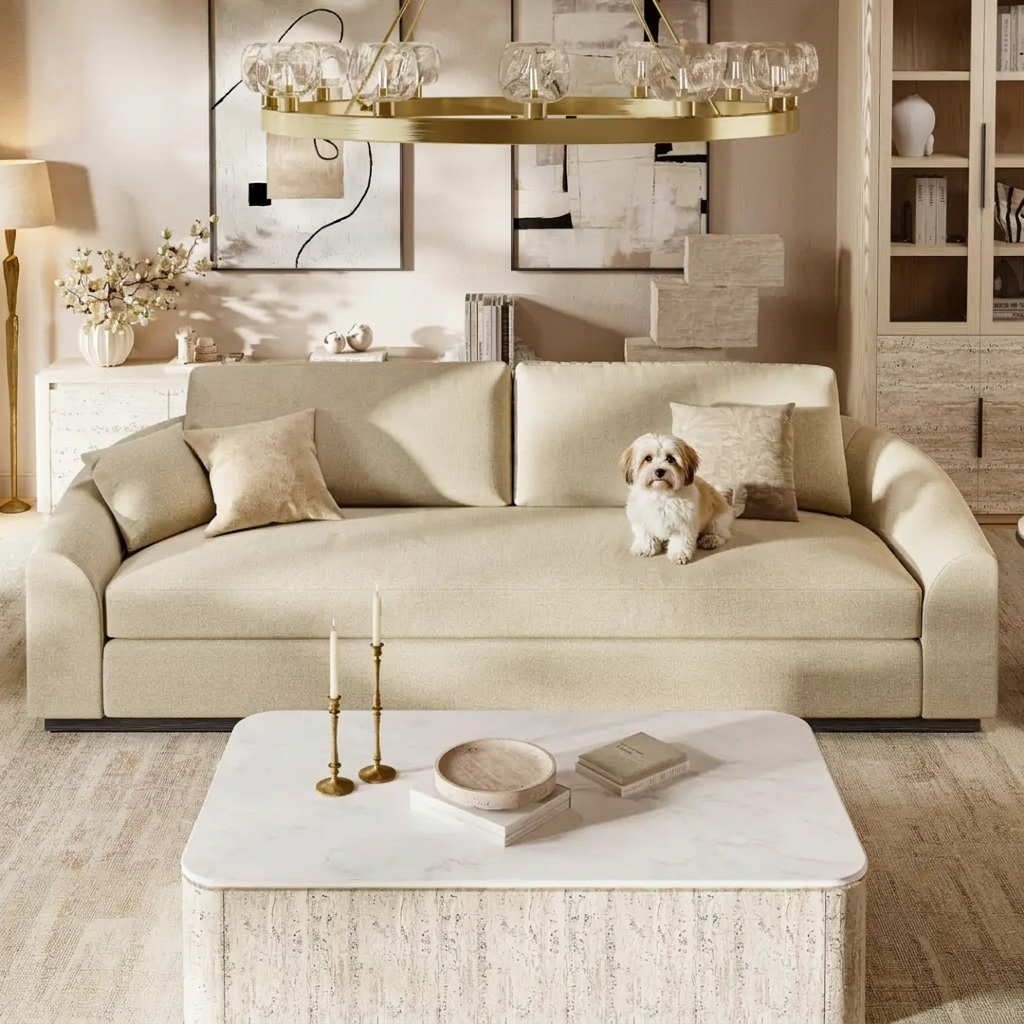


Alvar 63″ Oak 6-Drawer Chest(Set of 2)


Alvar Arched 61" Oak Sideboard with Drawers(Set of 2)


Alvar Arched 94.5″ Oak Modular Media Console(Set of 3)

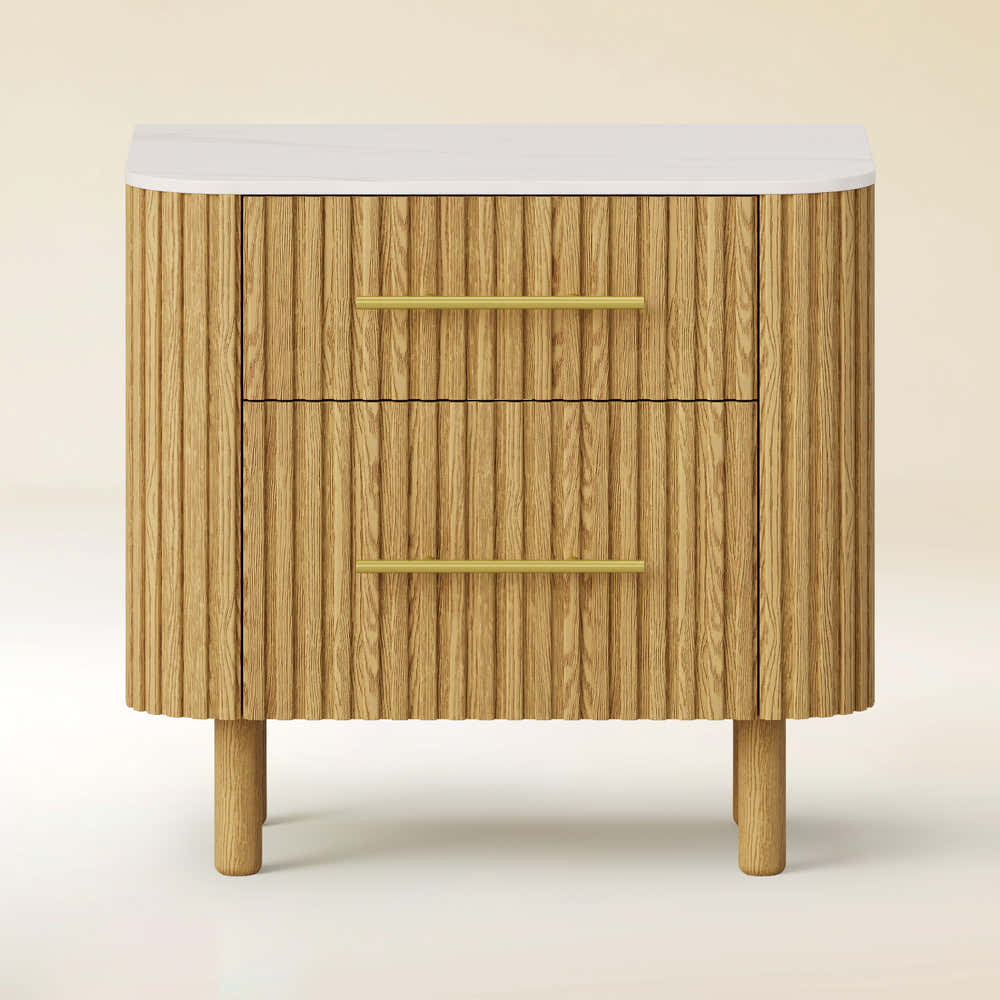


Charlie Sintered Stone Nightstand 26" W
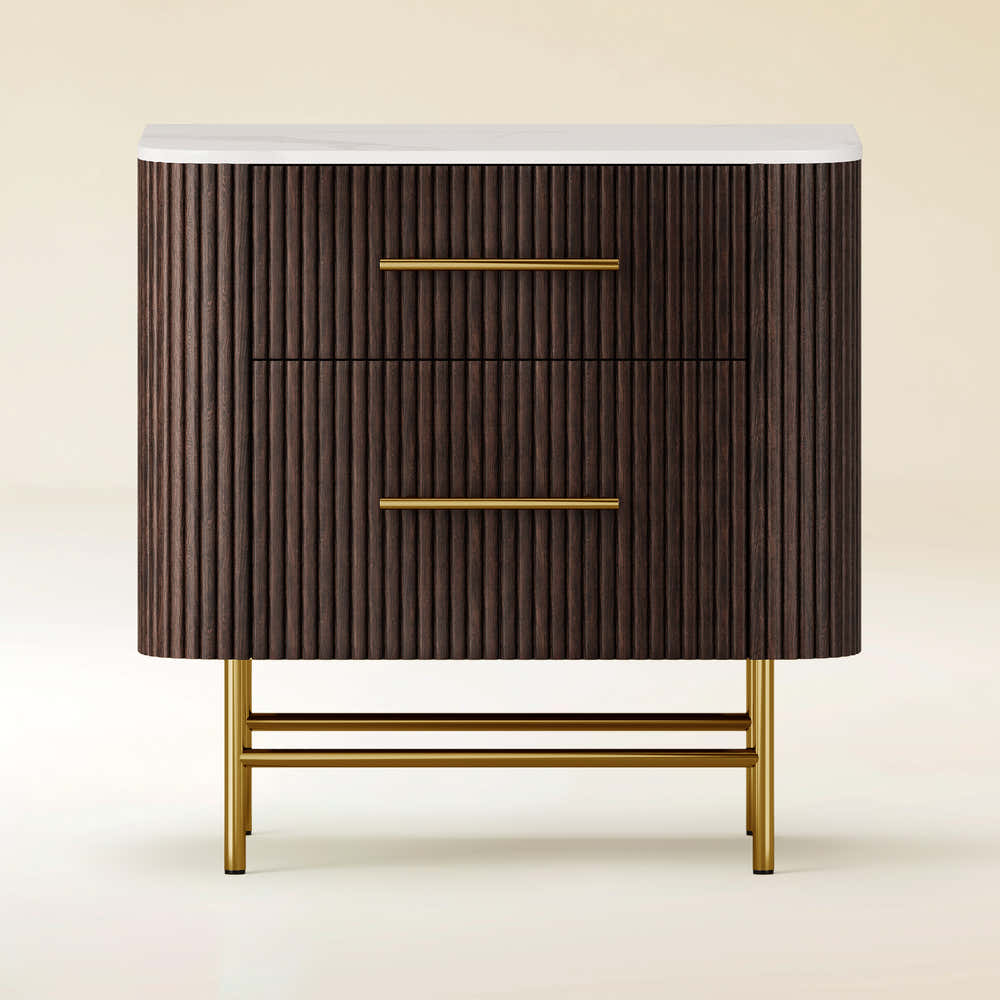


Ewan Sintered Stone Nightstand 26"W


Holt 63″ Solid Oak Console(Set of 2)


Holt 95″ Solid Oak Console(Set of 3)


Moira Alabaster Round Chandelier 24"D


Silas Extendable TV Stand 80" to 110"


Sylvia Palladian Alabaster Wall Sconce 20"H


Alvar Arched 95″ Oak Media Console(Set of 3)

Ewan Oak Extendable Media Console 79" to 110"


Holt 126″ Solid Oak Console(Set of 4)


OpalEdge Alabaster Wall Sconce 14"H

FSC FCOC47059 . FSC is dedicated to the promotion of responsible forest management
worldwide. By selecting this product, you help take care of the woorld's forests

UL-certified for indoor drying environments not directly exposed to excessive moisture or water;
Use in the United States and Canada.

Certified to Dry ETL electrical standard: suitable for use indoors in dry locations not directly exposed to excessive moisture and water
Use in the United States

CE-certified drying equipment compliant with electrical standards: Suitable for indoor drying environments not directly exposed to excessive moisture or water;
Tested for use in Europe, the UK, and other regions.


The support center has answers to questions you may have. You can also contact customer service in the support center if you can't find what you're looking for.
Support Center >
At houlte, we are committed to delivering quality, style, and great value to our customers. Our goal is to simplify your shopping experience by providing competitive prices and exceptional service.

If an item you purchased from houlte goes on sale on our website within 30 days of your purchase date, you may request a price match. This policy ensures you always receive the best value when shopping with us.
Houlte reserves the right to interpret and adjust the terms of the Price Match Policy as necessary.
Houlte has partnered with Taskrabbit to make your everyday life at home easier by connecting you with flexible and affordable ways to get your to-do’s done including furniture assembly and mounting.

1. Purchase your furniture at Houlte.
2. Check your order Dispatched and Delivered email and click the
Houlte link. You will be redirected to Taskrabbit's landing page.
3. Post your task on Taskrabbit platform.
4. Pick the best tasker to assemble your furniture.
Houlte has partnered with Taskrabbit to make your everyday life at home easier by connecting you with flexible and affordable ways to get your to-do’s done including furniture assembly and mounting.
Taskrabbit Assembly is available in most metro areas in the US. The availability of Taskers varies based on demand. When placing an order on Taskrabbit, you will need to enter your zip code. If the service is not supported in your area, you will not be able to place an order.
You can book assembly for your Houlte furniture as early as the next day after your delivery, and up to 14 days in advance, giving you flexibility to choose a time that works best for you.

Ready to use out of the box; minimal installation may be required (e.g., handles).

Main structure is pre-built; minor components require attachment (e.g., legs).

Assembly required; multiple parts must be assembled before use.
Our furniture is built with a combination of core boards, real wood veneers, and selected solid wood parts. Each material is used for a different purpose—structure, surface appearance, or visible strength—so the final piece feels balanced in performance, finish, and cost.
Core boards form the internal foundation of the furniture. They provide structure, stability, and efficiency across large surfaces and cabinet bodies.

Stable structural board

Smooth and consistent

Functional internal board
Selected solid wood parts are used where visible strength, tactile quality, and structural integrity matter most—such as legs, frames, trim, and exposed support details.

Durable and classic

Light and versatile

Premium and elevated
Urine accidents on a sofa can happen quickly — whether from pets, toddlers, or an unexpected spill — but the smell and stain can linger if they're not treated properly. The key is to act fast, use the right cleaning method for the upholstery type, and fully neutralize the odor rather than just masking it. This guide covers practical, sofa-safe ways to remove urine stains and odors while helping protect the material and structure of your furniture.
Urine is one of the toughest household stains to remove because it affects both the fabric surface and the layers underneath. Even if a sofa looks clean after wiping, odor-causing compounds may still be trapped in the cushion filling or foam. Understanding what's actually in urine helps explain why standard cleaners often fall short.
Urine contains a combination of compounds that create lasting problems for upholstery:
As urine dries, these compounds crystallize and cling to upholstery fibers and internal padding. That's why a sofa may still smell bad days later, especially in warm or humid conditions. Simply using water or a scented spray often won't solve the problem — it may even spread the stain deeper into the cushion.
The best cleaning method depends on how fresh the accident is and what material your sofa is made from. For most fabric couches, the process below is a safe and effective starting point. Work through each step in order for the best results.
Fabric couches often respond well to home treatment, but you need to use the right solution and avoid over-wetting the cushion. Two reliable methods are outlined below — choose based on stain severity and fabric color.
Ingredients
How to Use
Ingredients
How to Use
Old urine stains are harder to treat because the odor-causing residue has already crystallized and settled into the upholstery and filling. A two-pronged approach — removing residue and absorbing remaining odor — gives the best results.
A few preventive habits can significantly reduce the impact of future accidents and make cleanup much easier when they do happen.
It helps to keep a small sofa-cleaning kit assembled and ready so you can respond to accidents immediately without losing valuable time searching for supplies.
Modern upholstery care is evolving, with newer materials and cleaning tools making maintenance easier and more effective than ever before.
Some newer sofas use performance fabrics or stain-resistant upholstery engineered to repel moisture longer, resist odor absorption, make spills easier to blot before soaking in, and improve overall durability in high-traffic homes. While no fabric is completely accident-proof, these materials can meaningfully reduce the severity of urine staining and simplify the cleanup process significantly.
In homes with smart devices, air-quality monitors, dehumidifiers, and robotic vacuums can also support a cleaner, fresher sofa environment on an ongoing basis — reducing the frequency and intensity of deep cleaning sessions needed.
If you want to avoid harsh chemicals, several gentler methods can still be highly effective — particularly for fresh accidents. When choosing eco-friendly cleaning products, look for formulas that are upholstery-safe, non-toxic for pets and children, free from bleach or ammonia, and low-residue after drying.



Share:
The Ultimate Guide to Cleaning Your Sofa at Home
TV Stand for 65 Inch TV: How to Choose the Right Size + Best Houlte Picks