


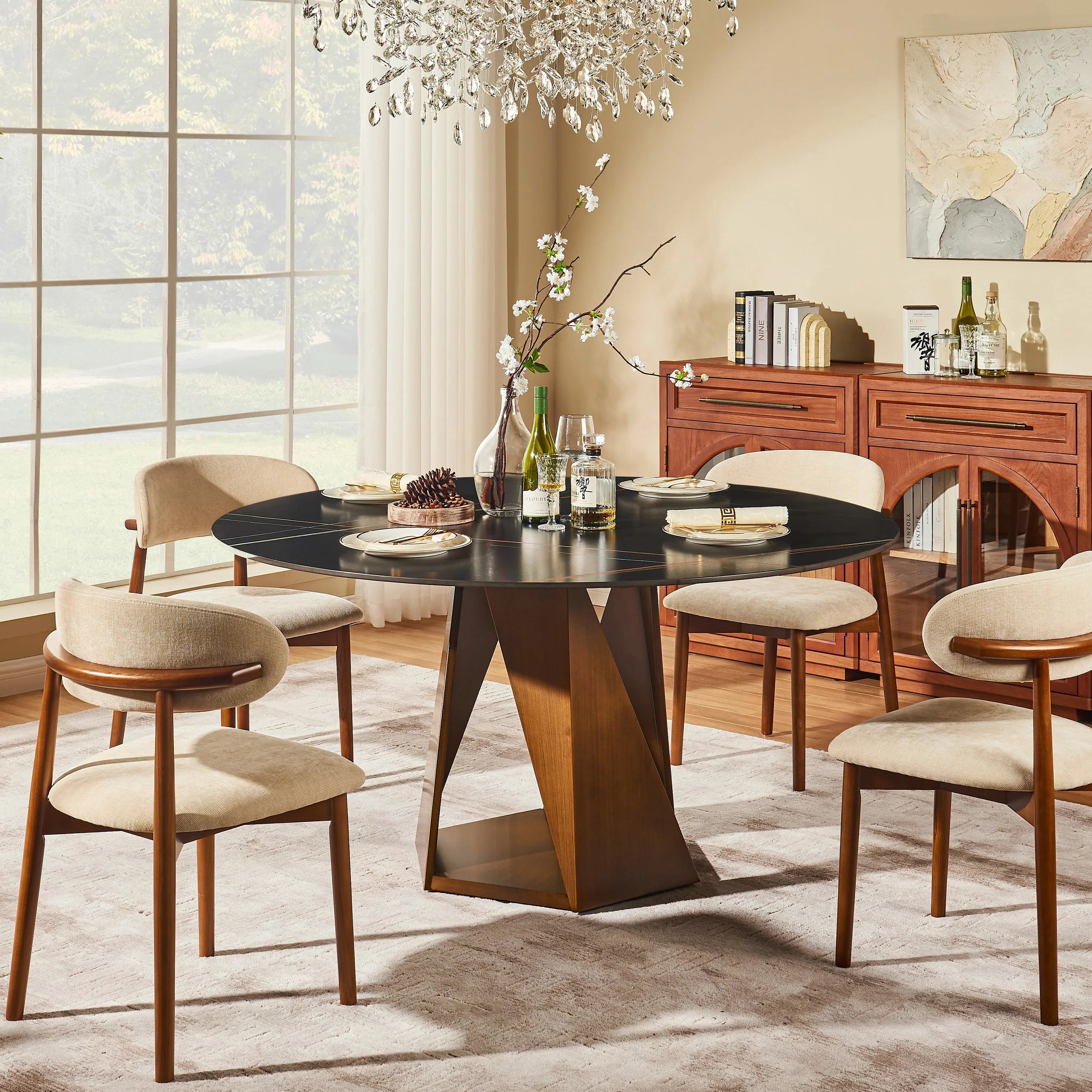


Alvar 63″ Oak 6-Drawer Chest(Set of 2)


Alvar Arched 61" Oak Sideboard with Drawers(Set of 2)


Alvar Arched 94.5″ Oak Modular Media Console(Set of 3)

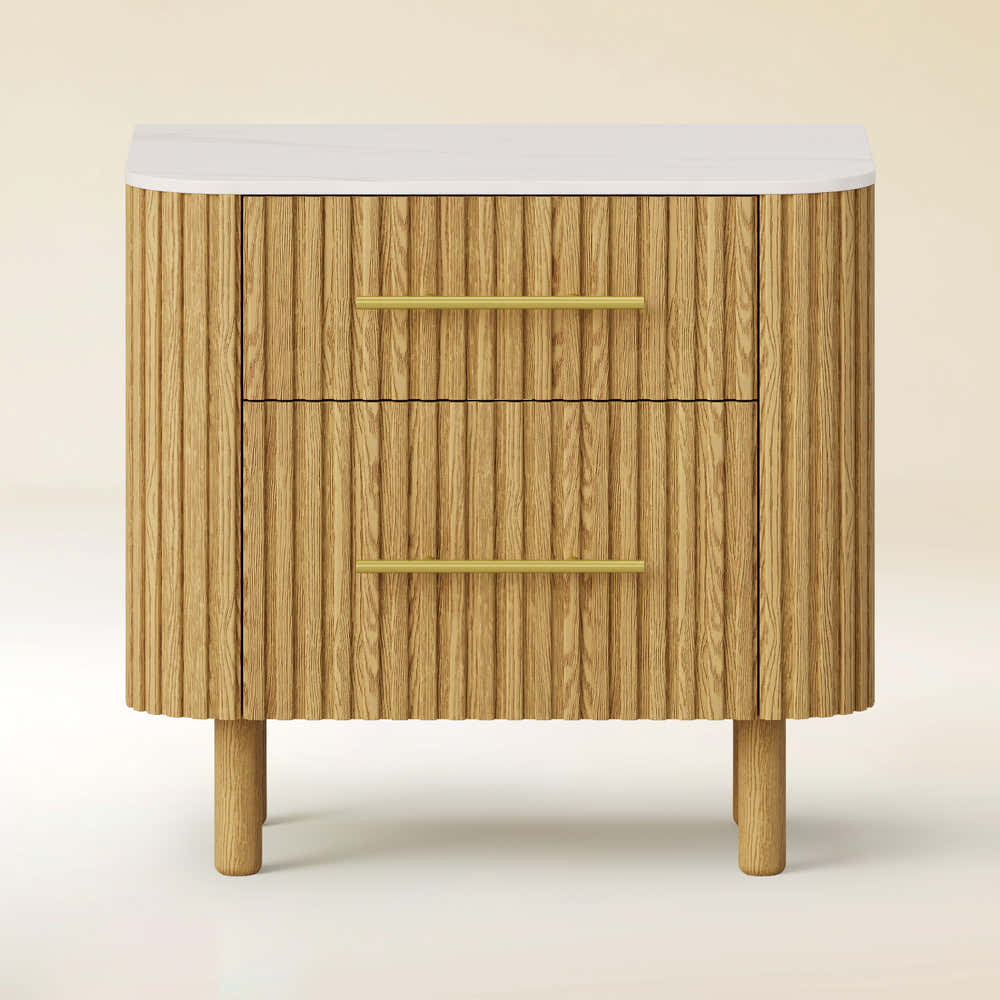


Charlie Sintered Stone Nightstand 26" W
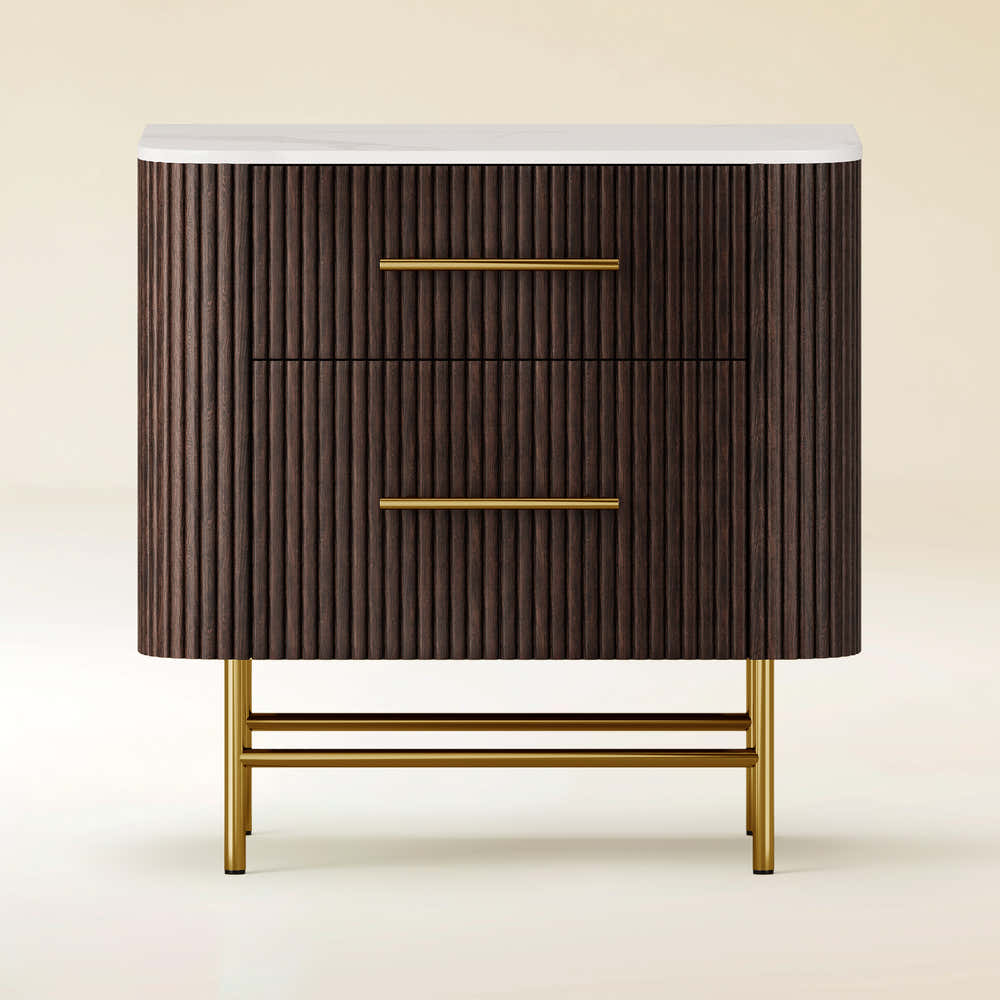


Ewan Sintered Stone Nightstand 26"W


Holt 63″ Solid Oak Console(Set of 2)


Holt 95″ Solid Oak Console(Set of 3)


Moira Alabaster Round Chandelier 24"D


Silas Extendable TV Stand 80" to 110"


Sylvia Palladian Alabaster Wall Sconce 20"H


Alvar Arched 95″ Oak Media Console(Set of 3)

Ewan Oak Extendable Media Console 79" to 110"


Holt 126″ Solid Oak Console(Set of 4)


OpalEdge Alabaster Wall Sconce 14"H

FSC FCOC47059 . FSC is dedicated to the promotion of responsible forest management
worldwide. By selecting this product, you help take care of the woorld's forests

UL-certified for indoor drying environments not directly exposed to excessive moisture or water;
Use in the United States and Canada.

Certified to Dry ETL electrical standard: suitable for use indoors in dry locations not directly exposed to excessive moisture and water
Use in the United States

CE-certified drying equipment compliant with electrical standards: Suitable for indoor drying environments not directly exposed to excessive moisture or water;
Tested for use in Europe, the UK, and other regions.


The support center has answers to questions you may have. You can also contact customer service in the support center if you can't find what you're looking for.
Support Center >
At houlte, we are committed to delivering quality, style, and great value to our customers. Our goal is to simplify your shopping experience by providing competitive prices and exceptional service.

If an item you purchased from houlte goes on sale on our website within 30 days of your purchase date, you may request a price match. This policy ensures you always receive the best value when shopping with us.
Houlte reserves the right to interpret and adjust the terms of the Price Match Policy as necessary.
Houlte has partnered with Taskrabbit to make your everyday life at home easier by connecting you with flexible and affordable ways to get your to-do’s done including furniture assembly and mounting.

1. Purchase your furniture at Houlte.
2. Check your order Dispatched and Delivered email and click the
Houlte link. You will be redirected to Taskrabbit's landing page.
3. Post your task on Taskrabbit platform.
4. Pick the best tasker to assemble your furniture.
Houlte has partnered with Taskrabbit to make your everyday life at home easier by connecting you with flexible and affordable ways to get your to-do’s done including furniture assembly and mounting.
Taskrabbit Assembly is available in most metro areas in the US. The availability of Taskers varies based on demand. When placing an order on Taskrabbit, you will need to enter your zip code. If the service is not supported in your area, you will not be able to place an order.
You can book assembly for your Houlte furniture as early as the next day after your delivery, and up to 14 days in advance, giving you flexibility to choose a time that works best for you.

Ready to use out of the box; minimal installation may be required (e.g., handles).

Main structure is pre-built; minor components require attachment (e.g., legs).

Assembly required; multiple parts must be assembled before use.
Our furniture is built with a combination of core boards, real wood veneers, and selected solid wood parts. Each material is used for a different purpose—structure, surface appearance, or visible strength—so the final piece feels balanced in performance, finish, and cost.
Core boards form the internal foundation of the furniture. They provide structure, stability, and efficiency across large surfaces and cabinet bodies.

Stable structural board

Smooth and consistent

Functional internal board
Selected solid wood parts are used where visible strength, tactile quality, and structural integrity matter most—such as legs, frames, trim, and exposed support details.

Durable and classic

Light and versatile

Premium and elevated
Choosing the right dining table is not just about style. It is about comfort, flow, and how your home works every day. A table that looks perfect online can feel too tight once chairs are added, while a table that seems “large enough” may still fall short when family or guests gather. That is why understanding dining table size, seating capacity, and room clearance matters before you buy.
In this guide, we break down exactly how many people different table sizes can seat, the best dimensions for rectangular, round, oval, square, and extendable tables, and how to measure your room so your dining area feels comfortable instead of cramped. If you are shopping for a modern table that balances design and practicality, explore the Houlte dining table collection for styles that work beautifully in everyday homes.

If you want the fast version first, use this chart as your starting point. These numbers assume reasonably slim dining chairs and comfortable everyday spacing. You can sometimes fit one or two more people for holidays or casual gatherings, but for regular use, comfort should come first.
| Table Shape | Common Size | Comfortable Seating | Occasional Max | Best For |
|---|---|---|---|---|
| Rectangular | 48 x 36 inches | 4 | 6 | Apartments, breakfast areas |
| Rectangular | 60 to 72 x 36 to 40 inches | 6 | 8 | Everyday family dining |
| Rectangular | 84 x 40 to 42 inches | 8 | 10 | Frequent hosting |
| Rectangular | 96 x 42 to 44 inches | 10 | 12 | Large dining rooms |
| Round | 42 to 48 inches diameter | 4 | 4 to 5 | Small dining rooms |
| Round | 54 to 60 inches diameter | 6 | 7 to 8 | Conversation-friendly seating |
| Round | 72 inches diameter | 8 | 9 to 10 | Larger square rooms |
| Oval | 72 to 84 x 42 inches | 6 to 8 | 8 to 10 | Narrow rooms, softer flow |
| Square | 36 to 48 inches | 4 | 4 to 6 | Compact square spaces |
| Extendable | Varies | 4 to 8+ | 10+ | Flexible homes and holiday hosting |
These dimensions are useful guidelines, but the real answer always depends on three things: how wide your chairs are, how much clearance your room has, and whether you are planning for everyday comfort or occasional overflow seating.
A dining room should feel comfortable when people sit down, easy to move through, and visually balanced in the room. These four rules make that much easier.
As a rule of thumb, give each diner about 24 inches of table edge as a practical minimum. If you prefer more elbow room or host longer dinners, 26 to 30 inches per person is even better. Anything tighter than 24 inches can feel cramped for adults, especially with larger plates, glassware, and serving pieces.
| Spacing Style | Width Per Person | Best For |
|---|---|---|
| Practical minimum | 24 inches | Daily meals and compact layouts |
| Comfortable entertaining | 26 to 28 inches | Long dinners, relaxed seating |
| Generous spacing | 30 inches | Large dining rooms and formal hosting |
| Holiday squeeze | 20 to 22 inches | Short-term overflow seating only |
The table itself is only part of the footprint. You also need room for chairs to pull back and for people to walk behind seated guests. In most homes, 36 inches around the table is a solid minimum. If the dining area is part of a main traffic path, 42 to 48 inches is better.
Table dimensions alone do not tell the full story. Slim wood or metal side chairs take up less room than fully upholstered chairs or armchairs. A pedestal or trestle base also gives you more flexible seating than a table with large legs at each corner. If you need flexibility, keep chair width in mind from the start.
One of the most common mistakes is choosing a huge table for the two or three times a year when everyone visits. If your household is four people most of the time, an oversized fixed table can make the whole room feel crowded. In many homes, a better solution is an extendable dining table that stays compact day to day and expands when needed.
Rectangular tables are the most versatile option and usually the easiest shape for seating larger groups. They work especially well in open-plan homes, traditional dining rooms, and long spaces where you want the layout to feel structured and balanced.
| Rectangular Table Size | Seats Comfortably | Can Fit Occasionally | Notes |
|---|---|---|---|
| 48 x 36 inches | 4 | 6 | Great for small dining rooms or kitchens |
| 60 x 36 inches | 4 to 6 | 6 | A smart everyday family size |
| 72 x 36 to 40 inches | 6 | 8 | One of the most versatile dining table sizes |
| 84 x 40 to 42 inches | 8 | 10 | Excellent for entertaining |
| 96 x 42 to 44 inches | 10 | 12 | Best for larger dining rooms |
| 108 x 44 to 48 inches | 12 | 14 | Ideal for spacious formal dining spaces |
For six people, the most practical choice is a table around 60 to 72 inches long and 36 to 40 inches wide. If your chairs are slim and you want a little flexibility for guests, 72 inches is the sweet spot.
An 84-inch rectangular table is usually the best true 8-person size. A 72-inch table can sometimes fit eight for holidays, but for everyday use it is more realistic to treat it as a six-person table.
For ten people, a table around 96 inches long and 42 to 44 inches wide gives a much better balance of comfort and proportion.
If you want to compare modern shapes and finishes, browse the full dining table collection at Houlte to see how different silhouettes fit different room styles.
Round dining tables are ideal for conversation and circulation. Without corners, they soften the room visually and make it easier to walk around the table in smaller spaces. They are especially effective in square rooms or breakfast areas where a rectangular table would feel too rigid.
| Round Table Diameter | Seats Comfortably | Can Fit Occasionally | Best Use |
|---|---|---|---|
| 36 inches | 2 to 4 | 4 | Very small nooks |
| 42 inches | 4 | 4 | Apartments and compact dining zones |
| 48 inches | 4 | 5 | Small families |
| 54 inches | 6 | 6 | A strong 6-person option |
| 60 inches | 6 | 7 to 8 | Flexible family use |
| 72 inches | 8 | 9 to 10 | Larger square dining rooms |
A 54 to 60-inch round table is typically right for six people, while a 72-inch round table is the usual choice for eight. If you love the social feel of a round table, look for a pedestal base. It makes a noticeable difference in legroom and gives you more flexibility to squeeze in an extra chair when needed.

Oval and square tables are sometimes overlooked, but they can be the perfect answer depending on the shape of your room and how formal or casual you want the space to feel.
Oval tables combine the length of a rectangular table with the smoother movement of a round one. They work beautifully in narrow rooms because the curved ends improve traffic flow and visually soften the footprint.
| Oval Table Size | Seats Comfortably | Best For |
|---|---|---|
| 72 x 42 inches | 6 | Smaller dining rooms and open kitchens |
| 84 x 42 inches | 8 | Family dining with occasional entertaining |
| 96 x 44 inches | 10 | Larger rooms that need softer lines |
Square tables are best in square rooms and are naturally conversation-friendly. They feel intimate, balanced, and less formal than long rectangular tables. The tradeoff is that very large square tables can be hard to reach across.
| Square Table Size | Seats Comfortably | Notes |
|---|---|---|
| 36 to 42 inches | 4 | Ideal for compact spaces |
| 48 inches | 4 to 6 | Good for casual family use |
| 54 inches | 6 to 8 | Best in larger rooms only |
For many households, an extendable table is the most practical long-term solution. It keeps the room open and comfortable for everyday use, then expands when guests arrive. That means you do not have to live with an oversized table just to prepare for a few big dinners each year.
As a general guide, adding 18 to 24 inches of extension usually creates room for 2 more seats. Some designs use one leaf, while others use two leaves or a butterfly extension system.
| Everyday Size | Extended Size | Everyday Seating | Extended Seating |
|---|---|---|---|
| 48 inches | 66 to 72 inches | 4 | 6 |
| 60 inches | 78 to 84 inches | 6 | 8 |
| 72 inches | 90 to 96 inches | 6 to 8 | 8 to 10 |
An extendable table makes especially good sense if your dining area also functions as a workspace, homework zone, or everyday family hub. If flexibility is your priority, take a look at Houlte’s dining tables to compare silhouettes that work for both daily living and entertaining.
Even the perfect dining table dimensions can feel wrong in the wrong room. The room needs enough breathing space for chairs, people, and natural traffic flow. A good table should feel grounded in the room, not squeezed into it.
| Room Size | Recommended Table Size | Comfortable Seating |
|---|---|---|
| 10 x 10 feet | 36 to 42 inch round or 48 x 30 to 36 inch rectangle | 2 to 4 |
| 12 x 12 feet | 48 inch round or 60 x 36 inch rectangle | 4 to 6 |
| 12 x 14 feet | 54 to 60 inch round or 72 x 36 to 40 inch rectangle | 6 |
| 14 x 16 feet | 72 inch round or 84 x 40 inch rectangle | 8 |
| 16 x 18 feet or larger | 96 x 42 inch rectangle or larger | 10 to 12 |
A simple planning formula helps: measure your room, then subtract 72 inches from both length and width to allow for 36 inches of clearance on each side. The remaining open area gives you a realistic sense of the maximum table size that can fit comfortably.
If you shop by headcount first, use these quick guidelines.
For most homes, six to eight seats is the most versatile range. It supports daily family use while still feeling ready for guests. If you need seating for ten or twelve but not every day, extendable designs usually deliver the best balance.
If your room is compact but you occasionally host, the answer is not always a larger table. Sometimes the better solution is a smarter seating plan.
Benches can often seat one more person than individual chairs on the same side, especially for children or casual meals. They also tuck under the table neatly, which keeps the room looking open.
One of the most useful and stylish setups is mixing side chairs with a bench or using armchairs only at the ends. This creates a more designer look while making the table more flexible.
Pedestal and trestle bases often let you add an extra guest more easily than tables with large corner legs. If flexibility matters, always look under the tabletop before deciding.
Foldable chairs, stools, or dining-friendly ottomans can be stored elsewhere and brought in only when needed. That lets your dining room stay clean and uncluttered the rest of the time.

Even a beautiful table can disappoint if the proportions are wrong. Here are the mistakes people make most often.
Before choosing a table, take ten minutes to map your room properly. It will save you from costly returns and sizing regrets.
This simple process instantly reveals whether a table will feel comfortable, tight, or oversized. It is one of the easiest ways to buy with confidence.
The best dining table is not the one that squeezes in the highest number of chairs. It is the one that fits your room, supports your daily routine, and still makes guests feel welcome. For most homes, that means balancing seating capacity with circulation, chair width, and flexibility.
As a quick guide, 48 inches works for 4, 60 to 72 inches works for 6, 84 inches works for 8, 96 inches works for 10, and 108 inches or more works for 12. But shape, base style, and room size can shift those numbers, which is why measuring first always pays off.
If you are ready to find a table that combines modern design with real-life function, explore the Houlte dining table collection. A well-chosen dining table does more than fill a room. It becomes the place where everyday life happens beautifully.
Explore Dining Tables at Houlte
A good rule is 24 inches per person as a minimum. For more comfortable dining, especially during longer meals, 26 to 30 inches per person feels better.
A rectangular table for 6 is usually 60 to 72 inches long, while a round table for 6 is typically 54 to 60 inches in diameter.
For 8 people, a rectangular table should usually be around 84 inches long, while a round table is typically about 72 inches in diameter.
Leave at least 36 inches around the table for chair pull-out. If people need to walk behind seated diners, 42 to 48 inches is better.
In many small rooms, a round table feels easier to move around and visually lighter. In narrow rooms, a rectangular table may use the space more efficiently.
Yes, but it depends on the shape. A 72-inch rectangular table can sometimes seat 8 for occasional use, while a 72-inch round table is usually a better true 8-person option.
Yes. Benches often let you fit one extra person compared with individual chairs on the same side, especially in casual family dining setups.
For many homes, absolutely. An extendable table gives you a smaller everyday footprint and extra seating when guests visit, making it one of the most practical dining room solutions.
Round and square tables are generally the best for conversation because everyone faces one another more naturally.
If chairs cannot pull out comfortably, people have to squeeze past seated diners, or the room feels visually blocked, the table is too large. Always test the layout with tape before buying.

Share:
Sintered Stone vs Oak Dining Tables: Which Material Is Best for Modern Homes?
TV Stands With Cabinets vs Open Shelves: Which Is Better for Your Living Room?