


Alvar 63″ Oak 6-Drawer Chest(Set of 2)


Alvar Arched 62.9" Oak Sideboard with Drawers(Set of 2)


Alvar Arched 94.5″ Oak Modular Media Console(Set of 3)


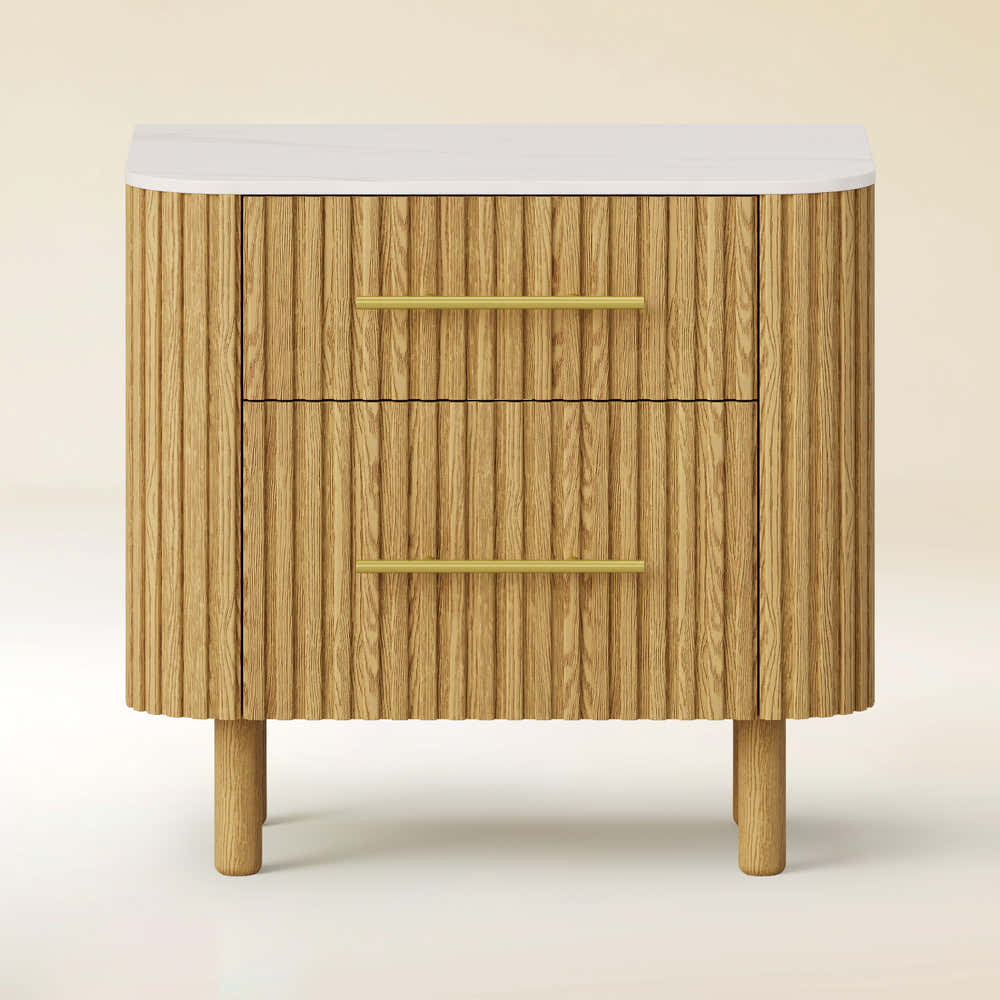


Charlie Sintered Stone Nightstand 26" W


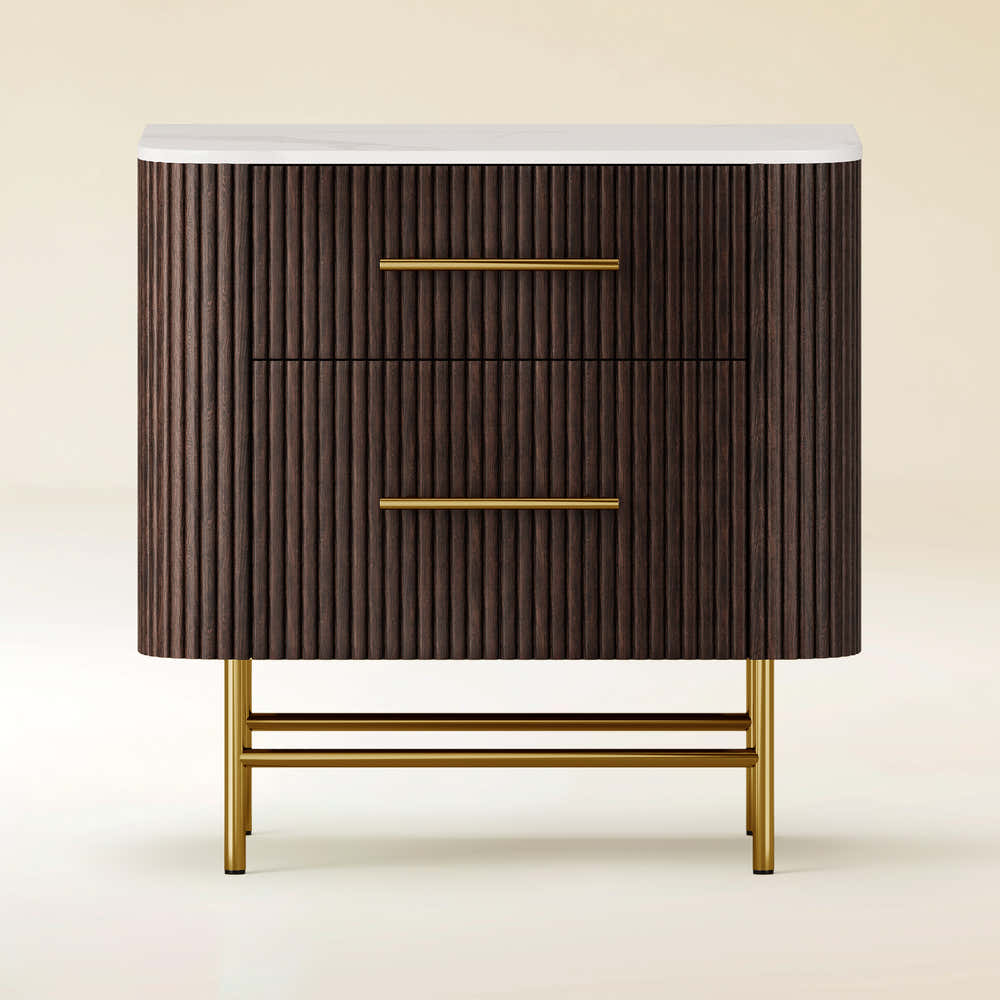


Ewan Sintered Stone Nightstand 26"W


Holt 63″ Solid Oak Console(Set of 2)


Holt 95″ Solid Oak Console(Set of 3)


Moira Alabaster Round Chandelier 24"D


Silas Extendable TV Stand 80" to 110"


Sylvia Palladian Alabaster Wall Sconce 20"H


Alvar Arched 95″ Oak Media Console(Set of 3)


Ewan Oak Extendable Media Console 79" to 110"


Holt 126″ Solid Oak Console(Set of 4)


OpalEdge Alabaster Wall Sconce 14"H

FSC FCOC47059 . FSC is dedicated to the promotion of responsible forest management
worldwide. By selecting this product, you help take care of the woorld's forests

UL-certified for indoor drying environments not directly exposed to excessive moisture or water;
Use in the United States and Canada.

Certified to Dry ETL electrical standard: suitable for use indoors in dry locations not directly exposed to excessive moisture and water
Use in the United States

CE-certified drying equipment compliant with electrical standards: Suitable for indoor drying environments not directly exposed to excessive moisture or water;
Tested for use in Europe, the UK, and other regions.


The support center has answers to questions you may have. You can also contact customer service in the support center if you can't find what you're looking for.
Support Center >
At houlte, we are committed to delivering quality, style, and great value to our customers. Our goal is to simplify your shopping experience by providing competitive prices and exceptional service.

If an item you purchased from houlte goes on sale on our website within 30 days of your purchase date, you may request a price match. This policy ensures you always receive the best value when shopping with us.
Houlte reserves the right to interpret and adjust the terms of the Price Match Policy as necessary.
Houlte has partnered with Taskrabbit to make your everyday life at home easier by connecting you with flexible and affordable ways to get your to-do’s done including furniture assembly and mounting.

1. Purchase your furniture at Houlte.
2. Check your order Dispatched and Delivered email and click the
Houlte link. You will be redirected to Taskrabbit's landing page.
3. Post your task on Taskrabbit platform.
4. Pick the best tasker to assemble your furniture.
Houlte has partnered with Taskrabbit to make your everyday life at home easier by connecting you with flexible and affordable ways to get your to-do’s done including furniture assembly and mounting.
Taskrabbit Assembly is available in most metro areas in the US. The availability of Taskers varies based on demand. When placing an order on Taskrabbit, you will need to enter your zip code. If the service is not supported in your area, you will not be able to place an order.
You can book assembly for your Houlte furniture as early as the next day after your delivery, and up to 14 days in advance, giving you flexibility to choose a time that works best for you.

Ready to use out of the box; minimal installation may be required (e.g., handles).

Main structure is pre-built; minor components require attachment (e.g., legs).

Assembly required; multiple parts must be assembled before use.
Choosing the right TV stand is about much more than finding a place to set your screen. It shapes how your living room looks, how easily you can organize everyday essentials, and how much visual clutter you have to live with. A TV area can either feel calm, polished, and intentional—or busy, dusty, and full of visible cables.
That is why so many homeowners compare TV stands with cabinets vs open shelves before buying. On paper, both styles can support a television and store media devices. In real life, however, they create very different experiences. One keeps your room streamlined and hidden from everyday mess; the other puts everything on display and asks you to maintain a more curated look.
At Houlte, our TV stands focus on cabinet-based storage rather than fully open shelving. That design choice is intentional. For most homes, closed storage simply works better: it hides clutter, softens visual noise, protects electronics, and makes the room easier to live in day after day. If you are browsing for a modern media console that looks elevated and functions beautifully, you can explore Houlte TV stands here:
In this guide, we will compare cabinet TV stands and open-shelf designs in detail, covering storage, dust, cable management, families with kids and pets, room size, styling, and long-term practicality. We will also show why a TV stand with cabinets is usually the better investment for modern living rooms—and how to choose the right one for your space.

If you want the short answer first, TV stands with cabinets are the better choice for most homes. They offer better hidden storage, cleaner cable management, less visible dust, and a more refined look. They are especially useful for families, pet owners, small living rooms, multipurpose spaces, and anyone who wants the TV wall to feel less chaotic.
Open shelves do have a few strengths. They can feel visually lighter, provide easy access to devices, and make room for styling decor. But they also put everything on display. That means more dusting, more visible wires, and a higher risk of clutter building up around the television.
For homeowners who want a living room that feels organized without constant maintenance, a cabinet TV stand is usually the smarter long-term option.
| Feature | TV Stand With Cabinets | Open-Shelf TV Stand | Best Choice |
|---|---|---|---|
| Hidden storage | Excellent for remotes, routers, games, throws, and clutter | Limited unless you add baskets or boxes | Cabinets |
| Visual cleanliness | Creates a streamlined, polished look | Can look airy, but clutter becomes visible quickly | Cabinets |
| Cable management | Better for hiding wires and power strips | Easy access, but cords are often visible | Cabinets |
| Dust control | Less visible dust and fewer exposed surfaces | Dust settles on every shelf and object | Cabinets |
| Styling flexibility | Cleaner and more minimal, with fewer display zones | Great for books, baskets, plants, and decor styling | Open shelves |
| Kid and pet friendliness | Safer for wires, remotes, and electronics | Easy for kids and pets to access cords and devices | Cabinets |
| Access to devices | Slightly less immediate, depending on door style | Very easy to plug in, swap, and adjust devices | Open shelves |
| Best overall for modern homes | Organized, calm, and practical | More maintenance-heavy and display-oriented | Cabinets |
The biggest reason people choose a TV stand with cabinets is simple: it hides things. Most living rooms collect more than just a television and one remote. Over time, the TV zone becomes home to streaming devices, gaming consoles, controllers, chargers, spare cables, routers, board games, coasters, blankets, and all the little items that never seem to have a proper place.
Open shelves leave all of that visible unless you constantly style and edit them. Cabinets give those items somewhere to disappear. That one difference can make the entire room feel more expensive, more intentional, and significantly more restful.
A television is already a strong visual element: a large black rectangle that naturally pulls the eye. If you surround it with visible devices, stacked media, baskets, and exposed cables, the whole wall can begin to feel crowded. A low media console with cabinet doors creates a cleaner horizontal line. Instead of dozens of small visual interruptions, you get one calm, unified piece.
This matters even more in modern interiors, where cleaner surfaces are part of the design language. Cabinet fronts—especially fluted, paneled, or softly textured ones—can turn a storage piece into an architectural feature rather than a utility shelf.
One of the least attractive parts of any entertainment setup is the wiring. TVs, soundbars, speakers, routers, consoles, and chargers create a surprising amount of cable clutter. Open shelving may make cords easier to reach, but it often leaves them visible from the side or below. Cabinet TV stands do a better job of disguising that mess, especially when paired with cable cutouts or back-panel openings.
If you want your living room to feel polished in everyday life, not just in photos, hidden cable management is a major advantage.
Dust is one of the most overlooked differences between these two styles. With open shelves, dust settles on every surface: shelves, devices, decor, books, baskets, and the gaps between them. A cabinet-style stand concentrates most visible dust on the top surface and exterior fronts. That means less constant wiping and less visual evidence of everyday life building up around the TV wall.
If you hate dusting or live in a home with pets, children, nearby windows, or an open kitchen, this is one of the strongest arguments for choosing closed storage.
Children and pets are naturally curious. Open shelves place buttons, remotes, controllers, and dangling wires right at eye level and hand level. Cabinet storage helps keep fragile devices and tempting cords out of easy reach. It also makes the room feel calmer because the TV zone is not functioning like an open toy or tech display.
For homes with kids, the best setups often combine concealed lower storage with a stable, anchored stand and minimal loose objects on top. A cabinet TV stand supports exactly that kind of safer everyday layout.
Open shelves can look great when they are styled carefully, but they ask for ongoing effort. A cabinet stand is more forgiving. Even if life gets busy, the room still looks put together because the storage surface stays visually quiet. That makes cabinet TV stands especially appealing for people who want an elevated home without having to restyle it constantly.
That is one reason Houlte focuses on cabinet-forward designs. They fit the reality of modern homes: beautiful, functional, and easier to live with over time.

To be fair, open-shelf TV stands are not wrong. They simply suit a narrower set of needs. If you love display styling, use only a few media devices, and do not mind frequent tidying, open shelving can create an airy, casual look. It also provides excellent ventilation around electronics and easier direct access for plugging in devices.
Open shelves work best when:
Even then, open shelves tend to work best when they are styled very intentionally. Too many small items can make the room feel busy. Too many visible cords can make it feel unfinished. And once everyday clutter enters the equation, the look becomes harder to maintain.
For that reason, many homeowners who initially think they want open shelving eventually realize they actually want the room to feel more peaceful than display-driven. That is where cabinet storage becomes the stronger solution.
The right TV stand style depends partly on taste—but even more on how you live. Use this table to decide which option fits your household best.
| Living Situation | Best TV Stand Style | Why |
|---|---|---|
| Small apartment | Cabinets | Hidden storage helps a compact room look less crowded |
| Family living room | Cabinets | Keeps toys, controllers, and wires organized and out of sight |
| Home with pets | Cabinets | Reduces exposed cables, fur collection, and accessible electronics |
| Minimalist interior | Cabinets | Supports a clean, calm, low-clutter aesthetic |
| Decor-focused renter | Open shelves or hybrid | Provides more display opportunity for books and objects |
| Gaming setup with multiple consoles | Cabinets | Better for organizing accessories, chargers, and game storage |
| Open-plan living room | Cabinets | Looks cleaner from multiple sight lines across the room |
| Single-device, low-storage setup | Either can work | Choice depends mostly on styling preference |
Notice the pattern: for most real households—not just showroom styling—TV stands with cabinets solve more problems than open shelves do.
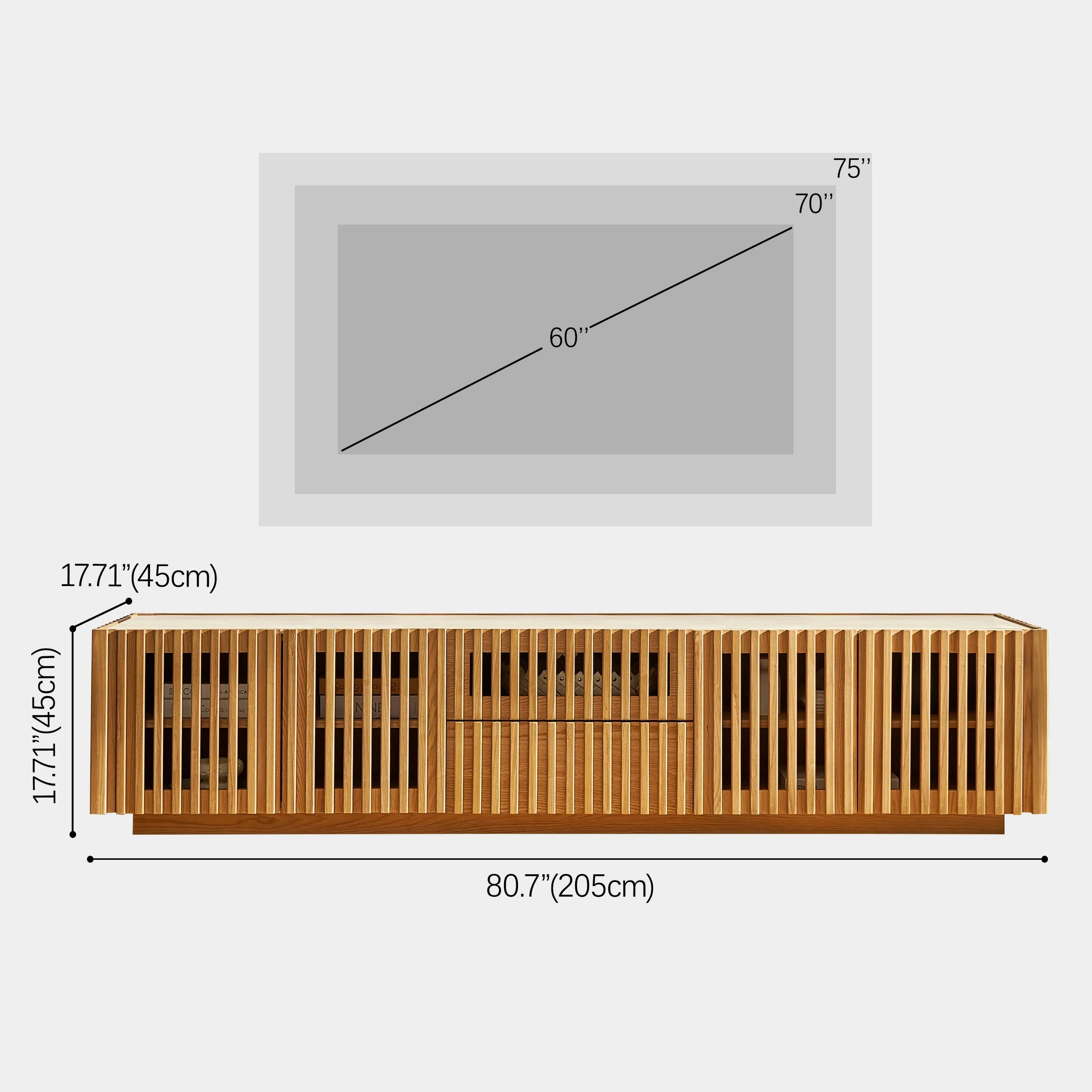
Beyond storage style, size matters. A media console should feel proportionate to the TV and balanced in the room. Too small, and the setup feels unstable. Too large, and the wall looks crowded. Cabinet TV stands are especially effective when they create a long, low anchor under the screen.
A good rule is to choose a TV stand that is at least 6 to 12 inches wider than your TV on each side. That creates better visual balance and leaves room for decor, speakers, or breathing space.
| TV Size | Recommended TV Stand Width | Best Look |
|---|---|---|
| 43 inches | 48 to 60 inches | Compact living rooms and bedrooms |
| 55 inches | 60 to 72 inches | Most apartments and smaller family rooms |
| 65 inches | 70 to 84 inches | Popular everyday living room setup |
| 75 inches | 80 to 96 inches | Larger rooms and statement media walls |
| 85 inches | 90 inches and up | Large-scale modern interiors |
Most TV stands fall into the 20 to 30 inch height range. Lower profiles tend to look more modern and make large screens feel less dominant. A low cabinet stand also creates that clean, grounded line many people want in contemporary interiors.
Before buying, make a quick list of everything that needs to live in or near your TV stand:
If that list feels longer than expected, that is another strong sign that a cabinet model is the right fit.
One common concern is that a TV stand with cabinets will look too heavy. In reality, visual weight depends more on the design than on whether the doors are closed.
Here are the easiest ways to make a cabinet TV stand feel lighter:
A long, low silhouette visually stretches the room and makes the TV wall feel calm rather than bulky.
When you can see floor beneath the console, the whole piece feels lighter. This is especially useful in smaller living rooms.
Oak, ash, and warm natural wood tones feel softer than very dark, heavy finishes. They pair well with modern, Scandinavian, Japandi, and transitional spaces.
Fluted fronts, slatted detailing, subtle grooves, and gentle paneling add character without adding clutter. These textures help the stand feel like furniture, not just storage.
One tray, one vase, or one small stack of books on top is often enough. The beauty of a cabinet TV stand is that you do not need to decorate every inch to make it look complete.

A cabinet TV stand works best when the interior is organized with purpose. Instead of just filling every compartment, think in zones.
Dedicate one section to electronics such as the router, console, or media box. Keep cords bundled and routed together for easier maintenance.
Remotes, controllers, chargers, and batteries should live in a drawer, tray, or small organizer so they are easy to find without becoming visible clutter.
Use the largest cabinet section for blankets, board games, manuals, or kid-friendly bins. If the living room serves multiple purposes, this kind of hidden storage becomes incredibly useful.
Do not fill every inch. Organized furniture looks best when there is still a little empty space inside. That makes it easier to access items and keeps the system working over time.
If you are shopping for a new piece, browse Houlte TV stands with storage in mind. A beautiful exterior matters, but internal layout is what determines whether the piece actually supports your everyday life.
Editorial styling often hides the reality of cords, accessories, remotes, and everyday accumulation. What looks beautiful in a staged photo may be frustrating in real life.
Most households need more hidden storage than they think. If you are already storing extra items near the sofa, coffee table, or floor baskets, a cabinet TV stand can help centralize the mess.
If you place active devices inside a cabinet, make sure there is enough airflow and do not overcrowd the compartment. Some items can also go in partially open sections if needed.
The stand should visually support the screen. A media console that is wider than the TV almost always looks more balanced and more premium.
When the stand already has beautiful material, shape, or door detailing, you need less styling, not more. Too many objects compete with the screen and recreate the clutter cabinets are meant to hide.
No matter which style you choose, anchor the TV when possible and make sure the stand is stable, especially in homes with children or pets.
If your goal is a living room that feels calmer, cleaner, and easier to maintain, a TV stand with cabinets is almost always the better choice. Open shelves can be beautiful for highly curated spaces, but they demand more styling, more dusting, and more tolerance for visible everyday clutter.
Cabinet TV stands solve the problems most people actually face: cable mess, scattered remotes, visible tech, toys, blankets, pet hair, and the constant visual buildup that happens in real homes. They also help the TV wall feel more architectural and less chaotic—especially in modern interiors.
That is why Houlte focuses on cabinet-style TV stands. They offer the balance most homes need: functional storage, refined design, and a cleaner look from morning to night.
If you are ready to upgrade your media wall with something that feels as practical as it is elevated, explore Houlte TV stands here:
For most homes, yes. TV stands with cabinets offer better hidden storage, cleaner cable management, less visible dust, and a more polished look. They are especially useful for families, pet owners, gamers, and anyone who wants the living room to feel less cluttered.
Yes. A cabinet TV stand can actually make a small room feel larger because it hides clutter instead of displaying it. Choose a low-profile design, lighter finish, or raised-leg silhouette to keep the space feeling open.
Not if you choose the right design. Low horizontal shapes, light wood finishes, slim legs, and textured cabinet fronts can all make a cabinet TV stand feel modern and visually light.
Yes. Cabinets help keep wires, remotes, and electronics out of easy reach. They reduce temptation for curious children and pets while helping the room stay safer and more organized.
Yes, as long as there is enough ventilation and cable access. Be sure not to overcrowd the compartment, and check that devices have room for airflow during use.
A good rule is to choose a stand that is at least 6 to 12 inches wider than the television on each side. This creates better balance and gives the TV a more secure visual base.
Absolutely. One of their biggest advantages is the ability to hide wires, power strips, and accessories behind doors, making the TV wall look much cleaner.
Open shelves work best in very curated spaces with minimal devices, where the owner enjoys styling decor and does not mind regular dusting or visible accessories.
You can store remotes, routers, consoles, chargers, blankets, board games, manuals, batteries, and small living room essentials. Cabinet storage is ideal for anything you want nearby but do not want on display.
For most modern homes, a low TV stand with cabinets is the best overall choice. It keeps the room visually quiet, organizes daily clutter, and supports a cleaner, more refined media wall.


Share:
Dining Table Size Guide: How Many People Can It Seat?
How to Clean and Maintain Your Dining Table Properly (Complete Care Guide)