


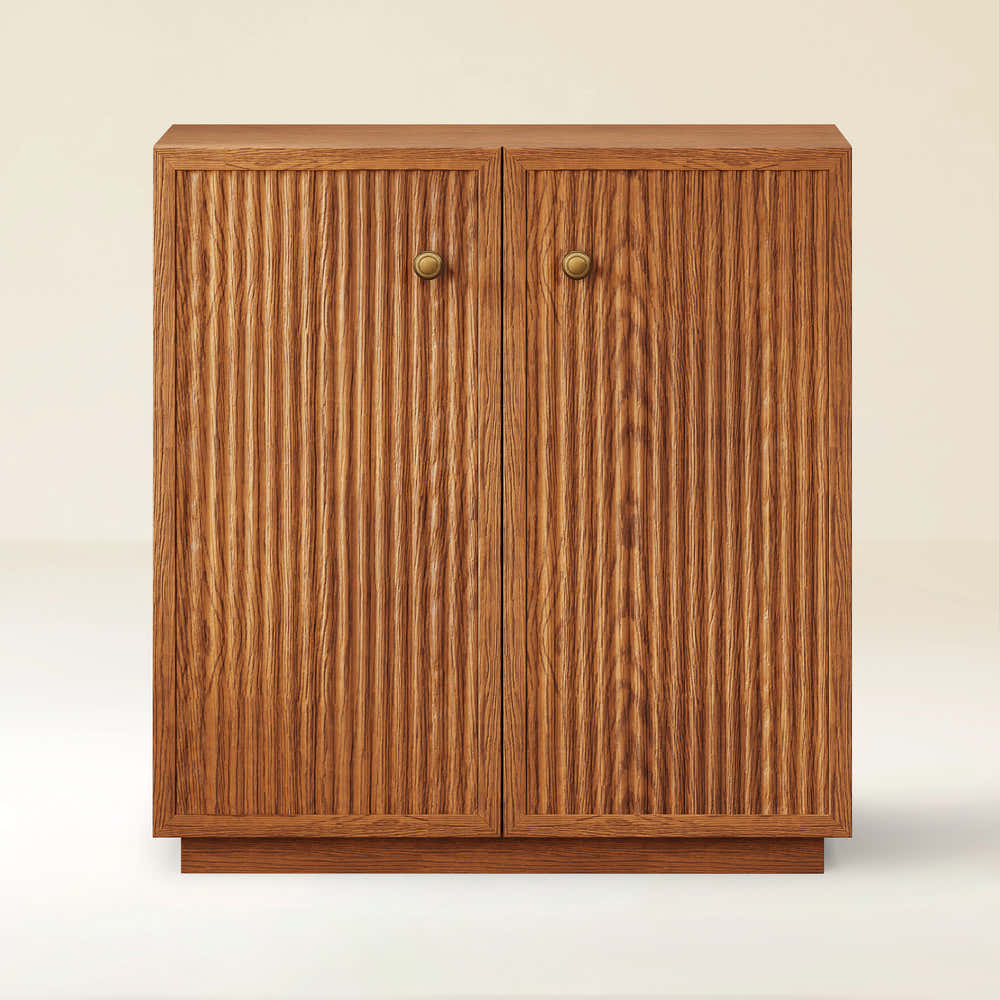


Alvar 61″ Oak 6-Drawer Chest(Set of 2)


Alvar Arched 61" Oak Sideboard with Drawers(Set of 2)


Alvar Arched 94.5″ Oak Modular Media Console(Set of 3)

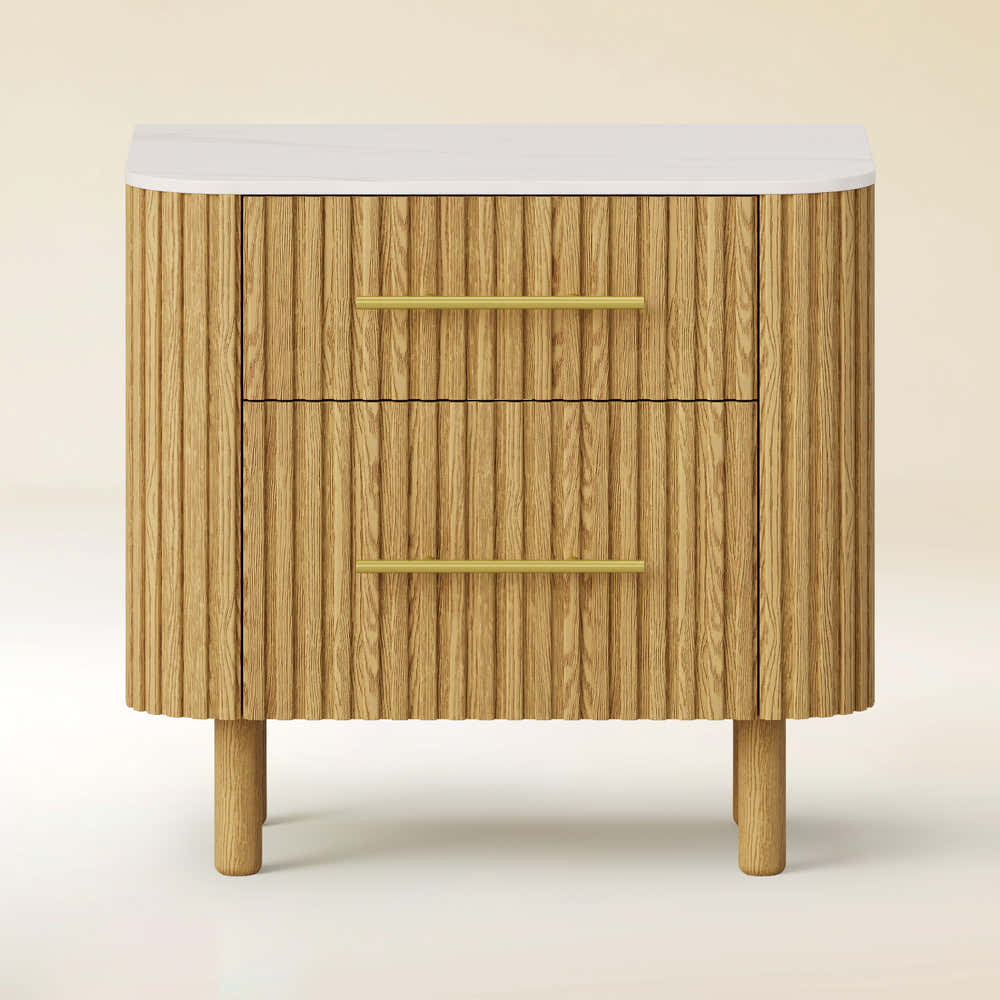


Charlie Sintered Stone Nightstand 26" W


Ewan 63" Oak Slatted Sideboard Buffet Cabinet
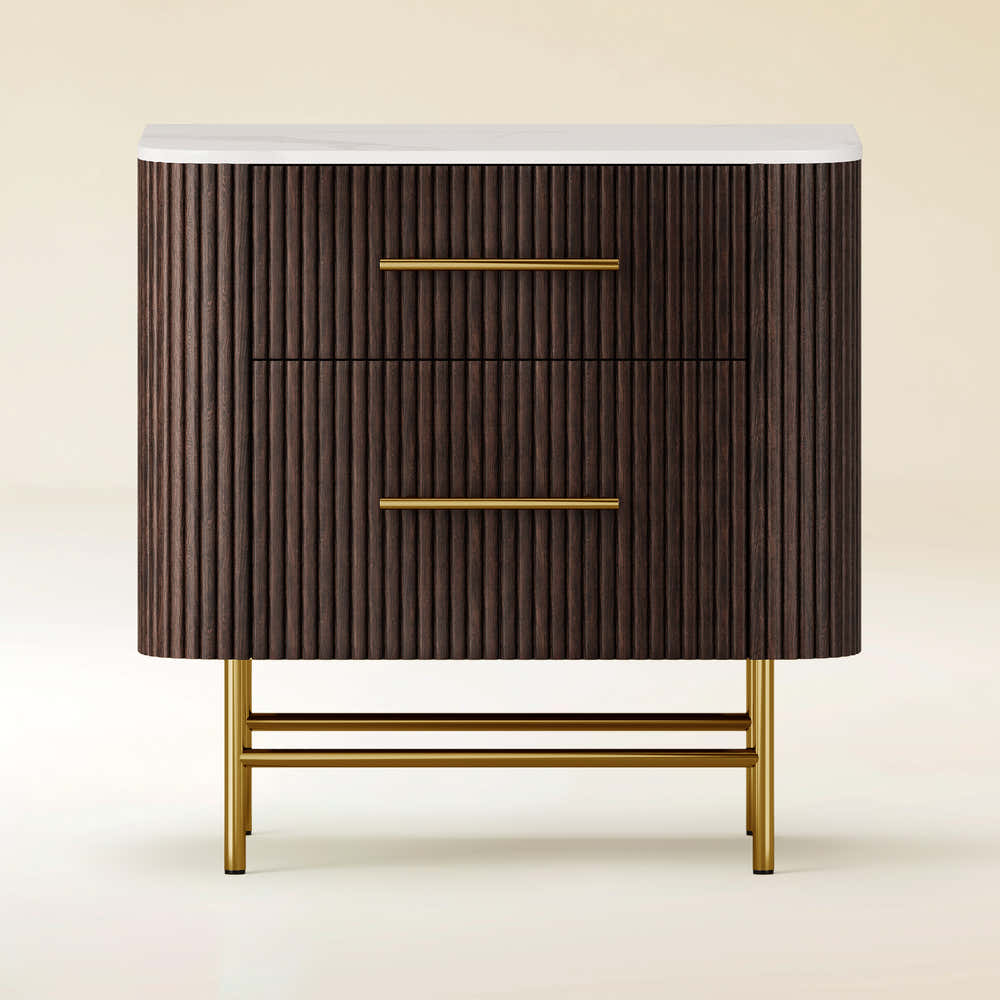


Ewan Sintered Stone Nightstand 26"W


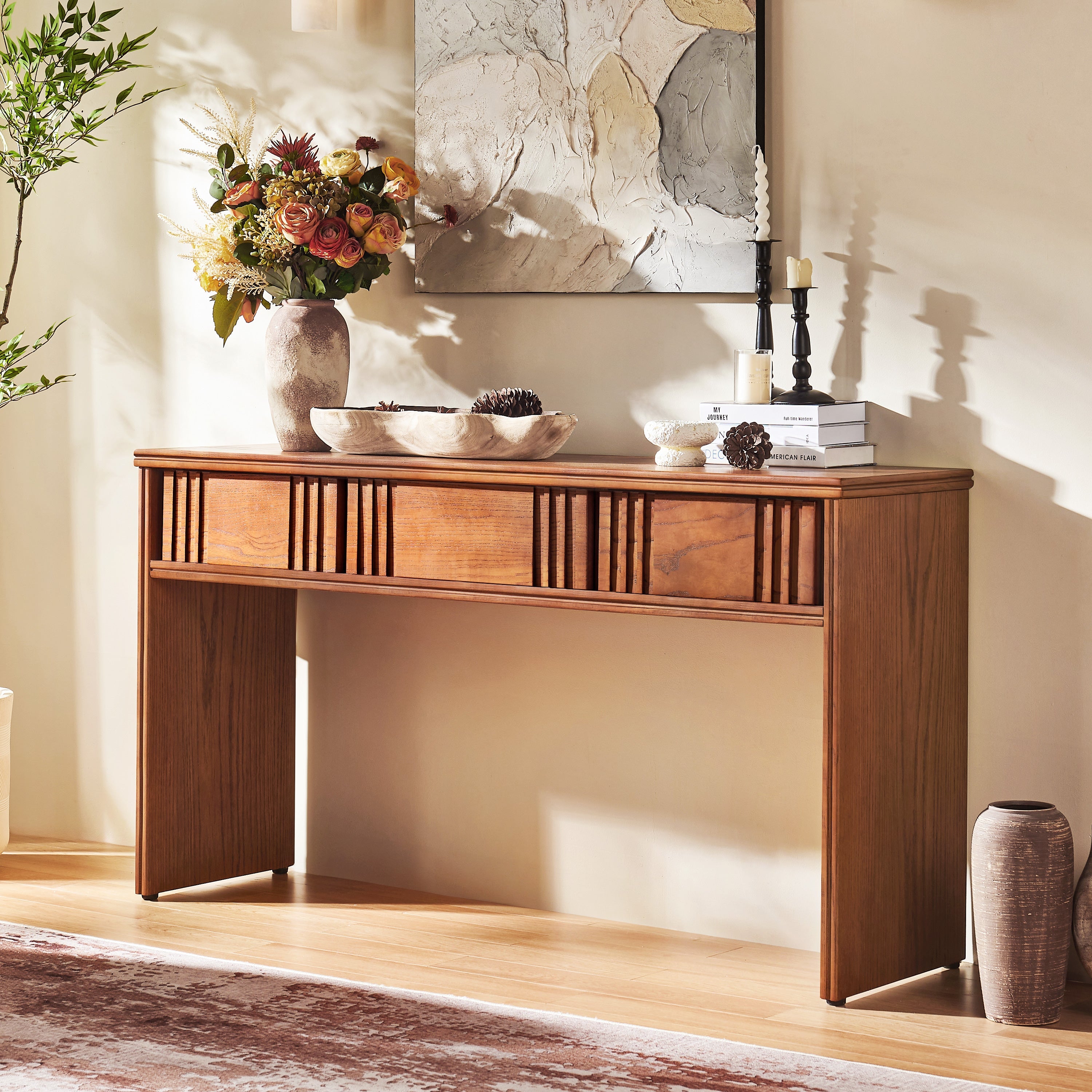
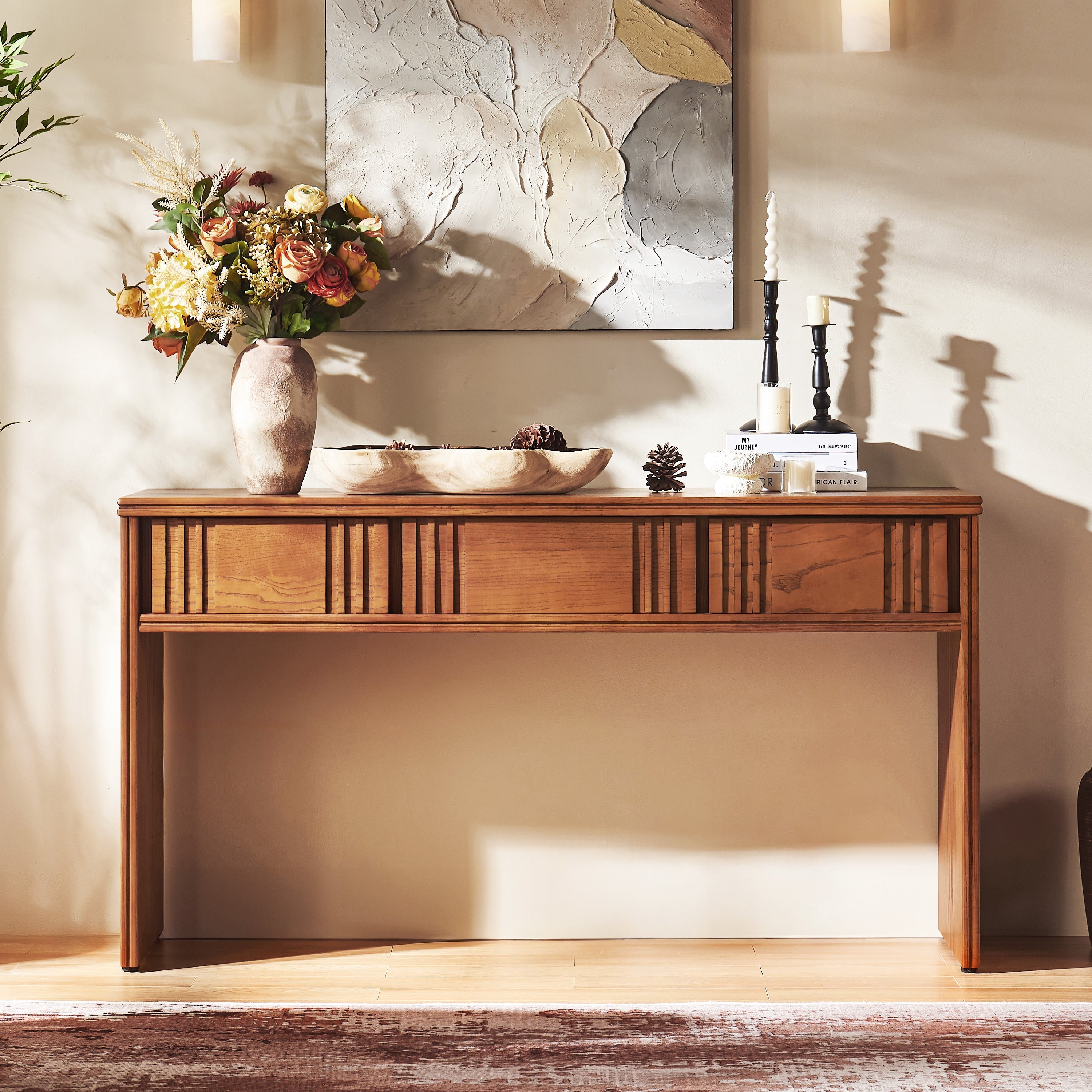
Holt 63″ Solid Oak Console(Set of 2)


Holt 95″ Solid Oak Console(Set of 3)

Isla Oak Sintered Stone Rectangle Coffee Table 47"


Moira Alabaster Round Chandelier 24"D


Moira Alabaster Round Chandelier 32"D

Silas Extendable TV Stand 80" to 110"

Stellara Crystal Strip Round Chandelier 24"D


Sylvia Palladian Alabaster Wall Sconce 20"H


Alvar Arched 95″ Oak Media Console(Set of 3)

Ewan Oak Extendable Media Console 79" to 110"


Holt 126″ Solid Oak Console(Set of 4)


OpalEdge Alabaster Wall Sconce 14"H

FSC FCOC47059 . FSC is dedicated to the promotion of responsible forest management
worldwide. By selecting this product, you help take care of the woorld's forests

UL-certified for indoor drying environments not directly exposed to excessive moisture or water;
Use in the United States and Canada.

Certified to Dry ETL electrical standard: suitable for use indoors in dry locations not directly exposed to excessive moisture and water
Use in the United States

CE-certified drying equipment compliant with electrical standards: Suitable for indoor drying environments not directly exposed to excessive moisture or water;
Tested for use in Europe, the UK, and other regions.

Ready to use out of the box; minimal installation may be required (e.g., handles).

Main structure is pre-built; minor components require attachment (e.g., legs).

Assembly required; multiple parts must be assembled before use.
Our furniture is built with a combination of core boards, real wood veneers, and selected solid wood parts. Each material is used for a different purpose—structure, surface appearance, or visible strength—so the final piece feels balanced in performance, finish, and cost.
Core boards form the internal foundation of the furniture. They provide structure, stability, and efficiency across large surfaces and cabinet bodies.

Stable structural board

Smooth and consistent

Functional internal board
Selected solid wood parts are used where visible strength, tactile quality, and structural integrity matter most—such as legs, frames, trim, and exposed support details.

Durable and classic

Light and versatile

Premium and elevated
In the world of furniture, many terms are used interchangeably, which can lead to confusion when you're trying to find the perfect piece for your home. "Sideboard" and "cabinet" are two such terms. While both offer essential storage, they have distinct histories, designs, and functions that set them apart. Understanding these differences is key to choosing the right furniture that not only meets your storage needs but also perfectly complements your space and style.
Is a sideboard just a fancy name for a cabinet? Or are they entirely different pieces of furniture? Let's settle the debate and explore the unique characteristics of each.
A sideboard, true to its name, traditionally sits to the side of a room—specifically, the dining room. Its origins trace back to 18th-century Europe, where it was used as a surface for serving food, much like a modern buffet. A sideboard is characterized by its long, low profile and short legs, or in some contemporary designs, no legs at all.
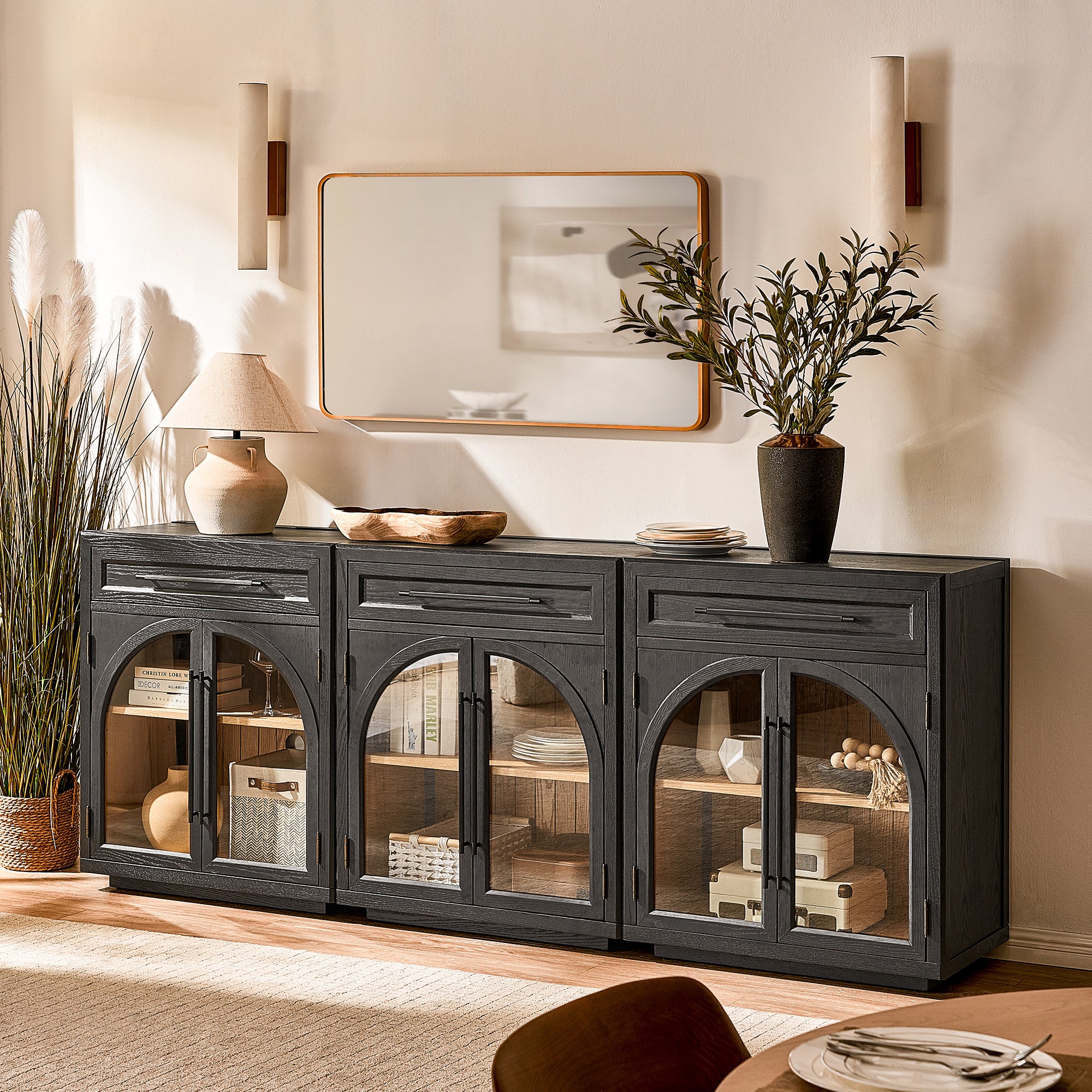
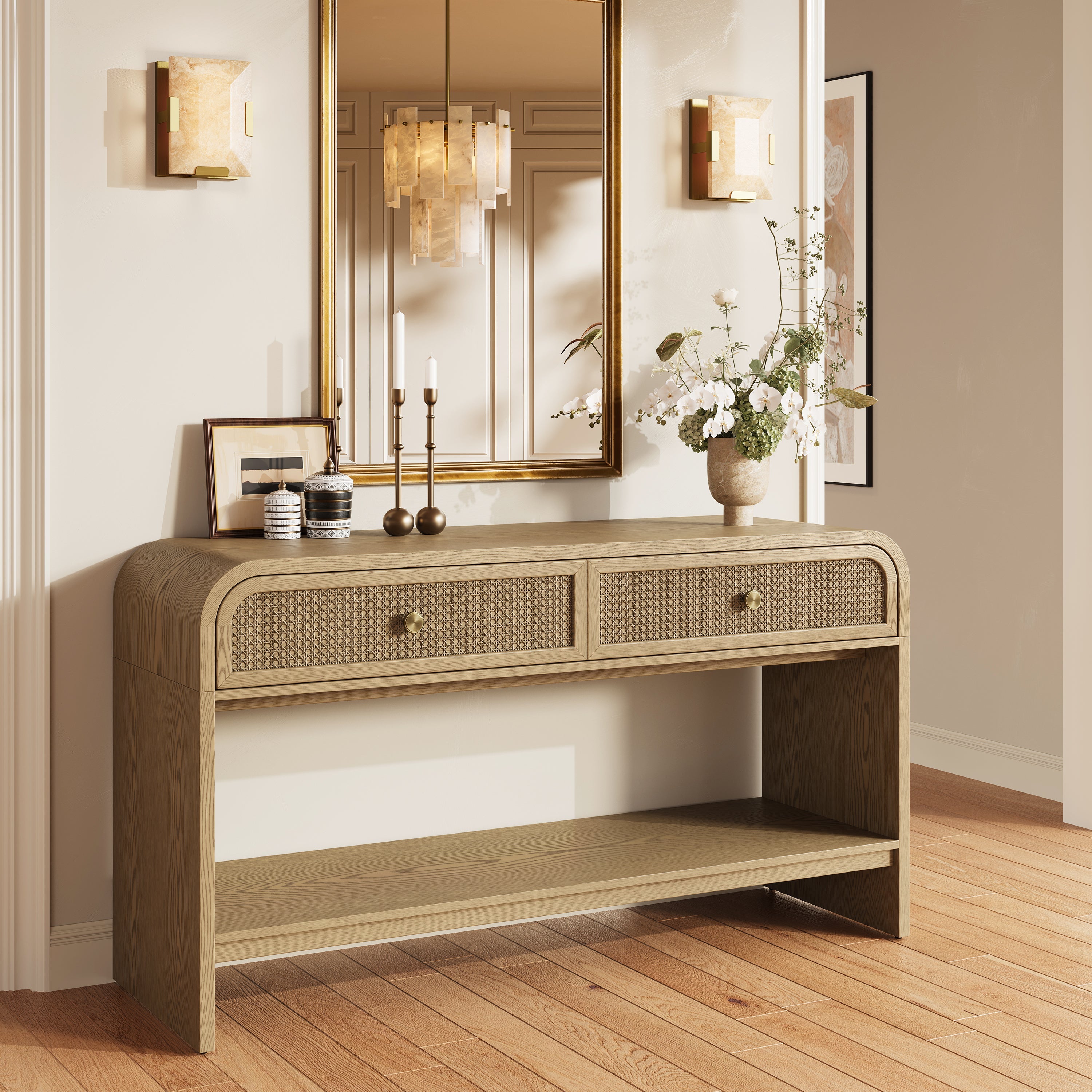
The primary function of a sideboard is to store dining-related items. Its spacious top provides an ideal surface for placing serving dishes during meals, while the cabinets and drawers below are perfect for stowing away dinnerware, silverware, table linens, and serving platters. While its home is traditionally the dining room, modern sideboards, like the versatile Alvar Arched 94.5" Oak Sideboard with Drawers(Set of 3), can also be used in living rooms or hallways as stylish storage solutions.
The term "cabinet" is much broader and more versatile. A cabinet is essentially a piece of storage furniture, typically rectangular, fitted with shelves, drawers, or a combination of both, and enclosed by doors. Unlike sideboards, cabinets are not defined by a specific room or a low-slung profile. They come in a vast array of shapes, sizes, and styles, from tall, narrow units to short, wide ones.
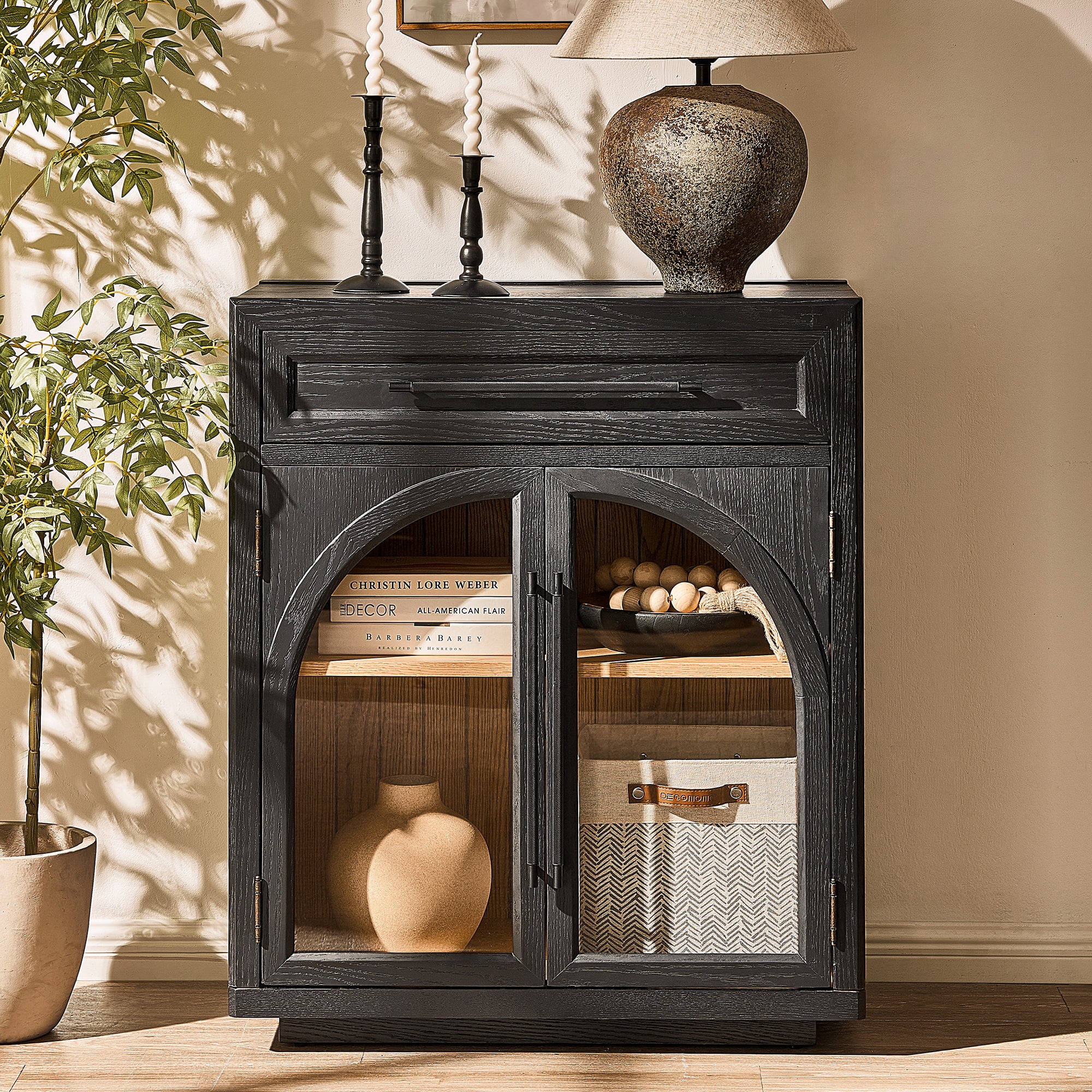
You can find a cabinet in almost any room of the house. In the living room, a cabinet can store books, media, and collectibles. In a home office, it organizes files and supplies. In a bedroom, it can hold clothing or personal items. Their design can range from purely functional to highly decorative. A piece like the Alvar Arched 32″ Oak Storage Cabinet offers a beautiful, compact storage solution perfect for a living room, hallway, or even a chic home bar. The Ewan 40″ Oak Cabinet provides ample, flexible storage that can adapt to any room's needs.

To make the distinction even clearer, here is a side-by-side comparison of the key differences:
| Feature | Sideboard | Cabinet |
|---|---|---|
| Typical Location | Dining Room, Living Room, Hallway | Any room: Living Room, Bedroom, Office, Entryway, Bathroom |
| Size & Shape | Long and low-profile | Highly varied; can be tall, short, wide, or narrow |
| Primary Use | Storing dining essentials (dishes, linens); serving surface | General-purpose storage for a wide variety of items |
| Design Focus | Often designed as a dining room centerpiece; long top surface is key | Design is adapted to its intended function and room placement |
The right choice ultimately depends on your space and your storage requirements.

Choose a sideboard if:

Choose a cabinet if:
Whether your home calls for the grand presence of a sideboard or the versatile functionality of a cabinet, both are invaluable for creating a tidy, organized, and stylish living space. By considering the specific needs of your room and the items you wish to store, you can confidently select a piece that feels custom-made for your home.
Explore our curated collection of sideboards and cabinets today to discover the perfect storage solution that speaks to your style.
Share:
What Is a Media Console? A Guide to Finding the Perfect Entertainment Center
The Ultimate Holiday Gift Guide: Houlte Furniture for the Whole Family