


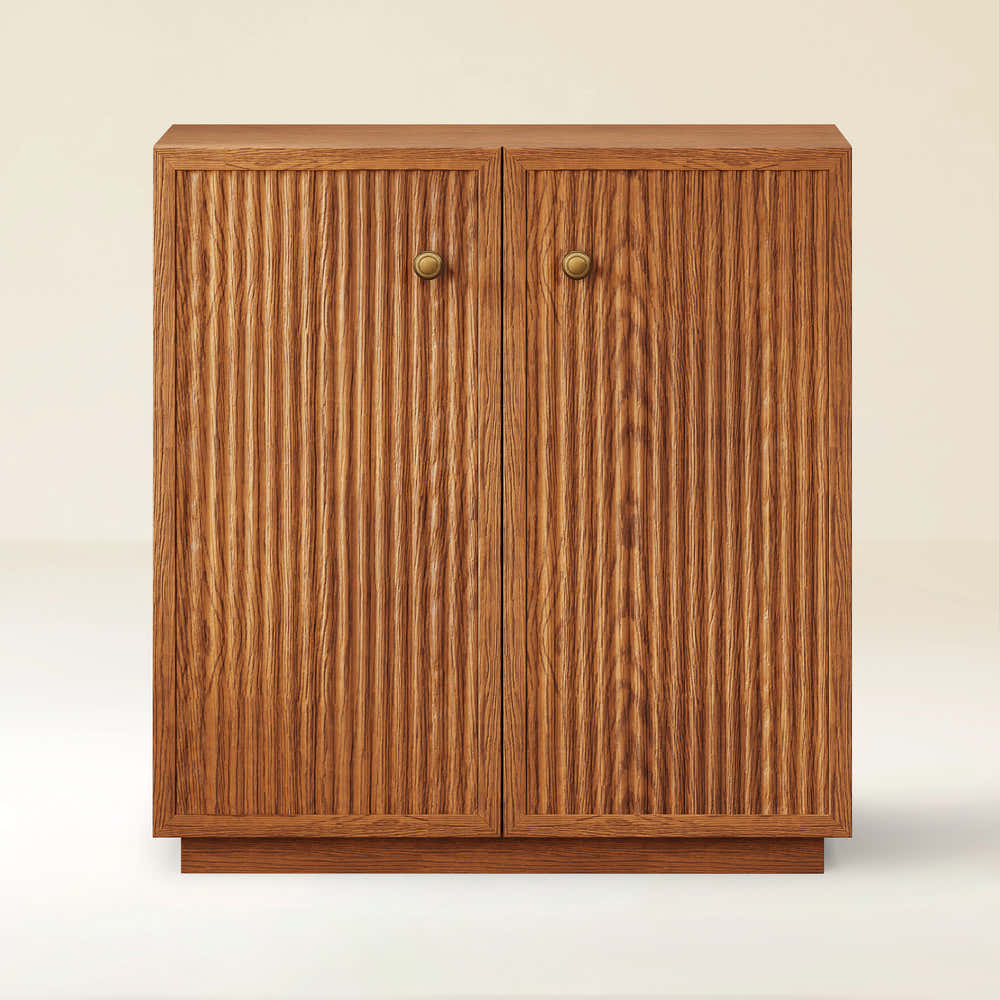


Alvar 61″ Oak 6-Drawer Chest(Set of 2)


Alvar Arched 61" Oak Sideboard with Drawers(Set of 2)


Alvar Arched 94.5″ Oak Modular Media Console(Set of 3)

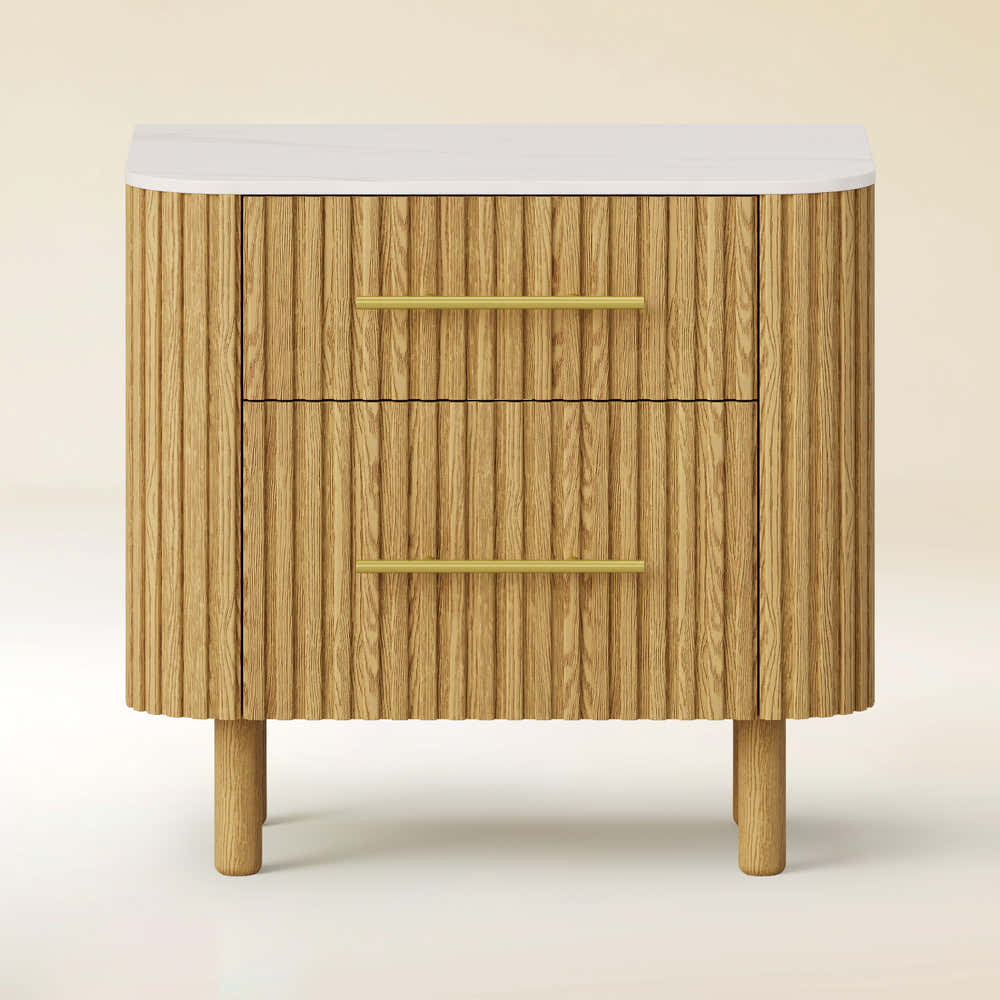


Charlie Sintered Stone Nightstand 26" W


Ethereal Crystal Radiance Round Chandelier 30"D


Ewan 63" Oak Slatted Sideboard Buffet Cabinet
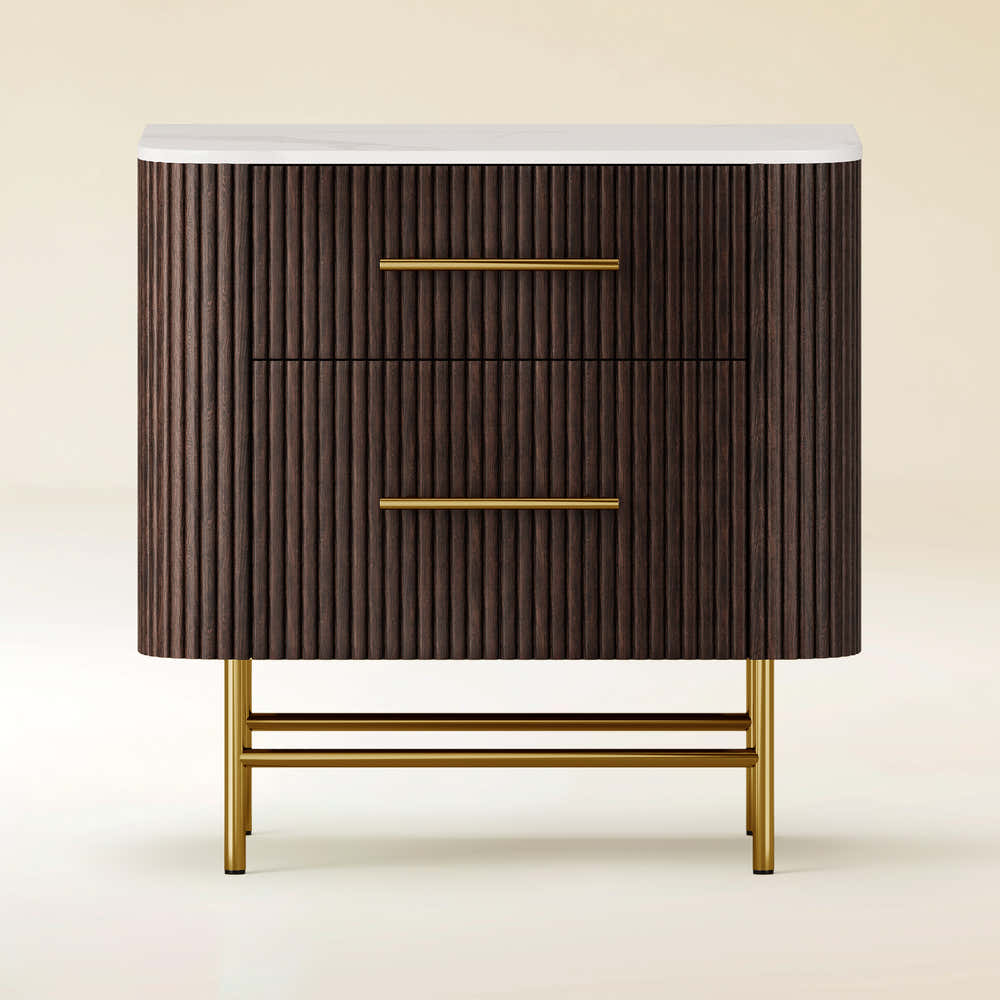


Ewan Sintered Stone Nightstand 26"W


Holt 63″ Solid Oak Console(Set of 2)

Holt 95″ Solid Oak Console(Set of 3)

Isla Oak Sintered Stone Rectangle Coffee Table 47"


Moira Alabaster Round Chandelier 24"D


Moira Alabaster Round Chandelier 32"D

Silas Extendable TV Stand 80" to 110"

Stellara Crystal Strip Round Chandelier 24"D


Sylvia Palladian Alabaster Wall Sconce 20"H


Alvar Arched 95″ Oak Media Console(Set of 3)

Ewan Oak Extendable Media Console 79" to 110"


Holt 126″ Solid Oak Console(Set of 4)


OpalEdge Alabaster Wall Sconce 14"H

FSC FCOC47059 . FSC is dedicated to the promotion of responsible forest management
worldwide. By selecting this product, you help take care of the woorld's forests

UL-certified for indoor drying environments not directly exposed to excessive moisture or water;
Use in the United States and Canada.

Certified to Dry ETL electrical standard: suitable for use indoors in dry locations not directly exposed to excessive moisture and water
Use in the United States

CE-certified drying equipment compliant with electrical standards: Suitable for indoor drying environments not directly exposed to excessive moisture or water;
Tested for use in Europe, the UK, and other regions.

Ready to use out of the box; minimal installation may be required (e.g., handles).

Main structure is pre-built; minor components require attachment (e.g., legs).

Assembly required; multiple parts must be assembled before use.
Our furniture is built with a combination of core boards, real wood veneers, and selected solid wood parts. Each material is used for a different purpose—structure, surface appearance, or visible strength—so the final piece feels balanced in performance, finish, and cost.
Core boards form the internal foundation of the furniture. They provide structure, stability, and efficiency across large surfaces and cabinet bodies.

Stable structural board

Smooth and consistent

Functional internal board
Selected solid wood parts are used where visible strength, tactile quality, and structural integrity matter most—such as legs, frames, trim, and exposed support details.

Durable and classic

Light and versatile

Premium and elevated
The “perfect” coffee table distance isn’t about style—it’s about comfort, reach, and walking flow. This guide gives you the ideal gap, the quick measuring method, and the most common layout mistakes to avoid.

Looking for a coffee table that fits your space perfectly? Shop Houlte Coffee Tables
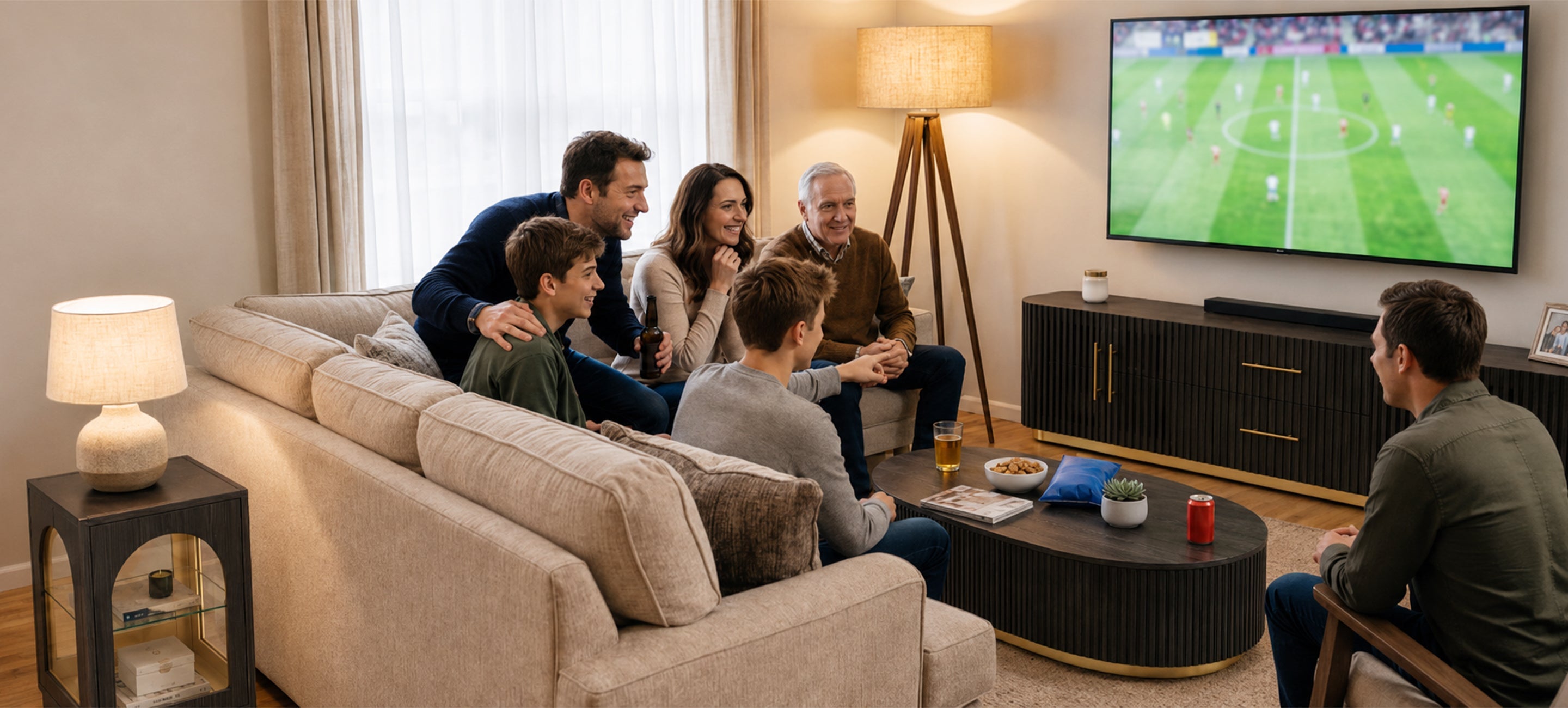
The ideal distance is about 12–18 inches (30–46 cm) from the edge of your sofa to the edge of your coffee table. Most living rooms feel best right around 16–18 inches if you want more walking room.
This spacing is the sweet spot because it gives you:
Even if you buy a beautiful coffee table, the wrong spacing can make your living room feel “off” instantly. The distance controls three things:
If your coffee table is too far away, you’ll constantly lean forward to grab a drink—especially noticeable when you’re relaxing.
If it’s too close, your knees and shins will remind you every day. Good spacing keeps the room from feeling like an obstacle course.
Proper spacing makes your furniture look “designed,” not randomly placed. It’s a small measurement that creates a big upgrade.
If your room needs hidden storage + clean styling, you’ll love: Coffee Tables with Storage.

To get the distance right, measure edge-to-edge: from the front edge of your sofa seat (not the cushion seam) to the nearest edge of the coffee table.
Pro tip: Put a painter’s tape outline on the floor before you buy a table. You’ll instantly see if your room feels open or cramped.
Ready to choose a table that fits your exact spacing? Browse All Coffee Tables
If your space is tight, aim for 12–14 inches. This keeps the table reachable without stealing too much walking space.
The safest “feels-right” range is 14–18 inches, with 16 inches being a great everyday target.
If your living room is larger and you want more walkway comfort, use 16–18 inches. You’ll get a cleaner flow without losing reach.
Stick closer to 16–18 inches and consider a rounded shape. Curves make movement around the table feel smoother.
Sectionals change everything because the “front edge” isn’t always a straight line. Here’s the easiest way to get it right:
Aim for a spacing that works from both sides, and keep at least one comfortable pass-through path.
If you want a practical, everyday-ready choice that keeps the top clean, consider a drawer option like: Isla Oak Rectangle Coffee Table or a clean low-profile statement piece like: Aurora Oak Coffee Table.

If the gap is under 12 inches, the room often feels cramped and uncomfortable. Slide the table out slightly until you can stand and walk naturally.
If you can’t reach your drink without leaning forward, bring it closer into the 12–18 inch zone.
Your coffee table should support your life, not disrupt it. If traffic keeps clipping the corners, consider a smaller footprint or an oval shape: Shop Oval Coffee Tables.
If you want the easiest route to a living room that feels comfortable and looks modern, start here: View All Coffee Tables.
A coffee table should usually be placed about 12–18 inches from the edge of the couch. This keeps it close enough to reach, but far enough for comfortable movement.
In most living rooms, 20 inches can start to feel slightly far—especially when reaching for drinks or remotes. If you find yourself leaning forward often, bring it closer toward 16–18 inches.
For small rooms, aim for 12–14 inches to keep the table reachable without blocking your walkway.
Measure from the main seating edge (not the chaise) and keep the coffee table within 12–18 inches. If traffic flow feels tight, consider an oval coffee table for smoother movement.
Share:
How Tall Should a Coffee Table Be? (The Perfect Height for Any Sofa)
How Tall Should a Side Table Be? A Complete Height Guide for Sofas, Chairs & Beds